If you’ve ever walked past a freshly dug, 100-yard-long trench splitting a downtown side street, disrupting parking, delaying deliveries, and making local business owners grumble, you’ve seen the old way of fixing pipes. For decades, that’s how we replaced failing water, sewer, and gas lines: dig up the ground, tear out old pipes, lay new ones, and patch everything back together. It was messy, expensive, and disruptive—for communities, budgets, and timelines. That’s where trenchless pipe rehabilitation equipment comes in, and as a supplier in this space, I’ve spent years helping contractors, municipalities, and utility teams swap that old, inefficient model for something better. Trenchless Pipe Rehabilitation Equipment
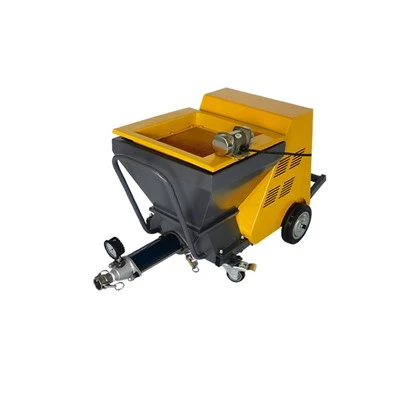
Let’s start with the basics. Trenchless pipe rehabilitation (sometimes called no-dig pipe rehab) is a set of techniques to repair or replace underground pipelines without the need for extensive excavation. The equipment that makes it work is purpose-built, compact, and precision-engineered to address specific pipe problems: corroded cast iron lines, cracked PVC, root intrusions, blockages, or complete structural failure. Unlike traditional digging, it uses existing access points—like manholes, cleanouts, or small excavation pits at either end of a pipe run—to work from within or alongside the line, so you avoid tearing up streets, sidewalks, driveways, or landscaping.
I get asked all the time: how does this equipment actually work? It’s not one-size-fits-all, which is part of why I work with clients to match the right gear to their specific project. Let’s break down the most common types of equipment and how they’re used, because that’s where the real science and practicality come in.
First, there’s the equipment for pipe cleaning and preparation. Before any rehab work can start, you have to get the pipe ready. If there’s built-up grease, mineral deposits, or tree roots, those will get in the way of lining materials or structural repairs. My clients use high-pressure water jetting units for this—units that can deliver anywhere from 1,000 to 40,000 PSI of water pressure, depending on the pipe size and the level of buildup. The best models on the market today are truck- or trailer-mounted, with rotating nozzles that spin while blasting water in multiple directions, stripping even the toughest clogs without damaging the host pipe. For really stubborn root intrusions, we also supply electric or hydro-mechanical root cutters—small, flexible cutting heads that fit through manholes, attach to a rotating cable, and shear roots away from the pipe wall without leaving debris that could cause new blockages. The goal here isn’t just to clear the pipe; it’s to create a smooth, clean surface that the lining will adhere to, if that’s the next step.
Next, the most widely used trenchless pipe rehab technology is cured-in-place pipe, or CIPP, and the equipment to install it is one of our best-selling lines. CIPP works by inserting a flexible, resin-saturated fabric tube (felt or polyester) into the damaged pipe, then inflating it to fit snugly against the pipe wall, and curing it in place to form a new, rigid pipe within the old one. The equipment for this is surprisingly compact, especially for residential and small commercial projects. The core unit is a bladder inflation system, which controls air or water pressure to inflate the CIPP tube evenly—too much pressure can burst the tube, too little will leave gaps that reduce structural integrity. We also supply hot water curing units for thermoset resin CIPP: these units circulate heated water through the bladder to bring the resin to its curing temperature, usually between 140 and 180 degrees Fahrenheit, and monitor temperature and pressure in real time to avoid over-curing or under-curing. For longer runs, sometimes hundreds of feet, we have winch systems that pull the CIPP tube through the pipe from one manhole to the other, which is a lot easier than trying to push it in and risk kinking.
Then there’s pipe bursting, a technique used when the existing pipe is too damaged to line, or when a client wants to increase the pipe’s diameter for higher flow rates. Pipe bursting equipment is more heavy-duty, but it’s still focused on minimal excavation. The system uses a bursting head— a steel, blunt, cone-shaped tool—that’s pulled through the old pipe from one access pit to another. As it moves, it breaks the old pipe into small fragments that get pushed into the surrounding soil, while a new HDPE (high-density polyethylene) pipe is pulled behind the bursting head, replacing the old line in one continuous pull. We offer different bursting heads for different pipe types: cast iron, clay, concrete, even old galvanized steel. Some of our newer models have guided bursting heads, which use remote control to adjust direction as they move, so contractors can steer around utilities, rock formations, or underground obstacles that would have derailed older, less precise bursting systems. That’s a big deal—mistakes here can lead to delays and extra costs, so precision is key.
Another category of equipment that’s grown a lot in recent years is point repair equipment. Not every pipe run needs a full CIPP lining or complete burst replacement. Sometimes, there’s just a small, localized crack or leak—10 feet or less—that’s causing problems, and repairing that spot is cheaper and faster than doing the whole line. Point repair kits, which we supply with specialized equipment, use either epoxy patches or small cured-in-place liners made specifically for localized damage. The equipment here includes robotic applicators that carry the epoxy or pre-formed patch into the damaged section, cure it with UV light (a much faster method than traditional resin curing) or air pressure, and leave a seamless, strong repair. For small residential sewer lines, point repair is a game-changer—there’s no need to dig up an entire backyard, just a small cleanout access, and the whole repair can be done in a few hours.
Wait, I should mention inspection equipment, too—because you can’t rehab a pipe if you don’t know what’s wrong with it. All the CIPP and bursting equipment in the world won’t help if you miss a hidden crack or a root intrusion that’s deeper than you thought. The inspection tools we supply include push cameras for small pipes (up to 12 inches in diameter) and crawler robots for larger lines, with high-resolution pan-and-tilt cameras, LED lights, and even sonar for pipes with standing water. These cameras capture high-definition video that contractors can review in real time, and we also supply data processing software that lets clients map pipe defects, measure their size and location, and generate reports for municipal inspections or insurance purposes. I’ve had clients tell me that investing in a good inspection system saves them hundreds of hours of guesswork and wrong repairs—they catch issues early, before they become full pipe failures.
Now, let’s talk about why this equipment matters, beyond just avoiding messy trenches. When a municipality can repair a sewer line without digging up a main street, they save millions of dollars in road repairs, traffic control, and business disruption. A 2022 study from the American Water Works Association found that trenchless pipe rehab is 30-50% cheaper than traditional open-cut replacement, and cuts project timelines by 60-70% for runs longer than 100 feet. For residential customers, that means no weeks of dust, noise, and blocked driveways—many small trenchless repairs can be done in a single day, with no visible trace of work after. From an environmental angle, trenchless methods reduce excavation waste—less soil to haul away, less concrete to dispose of—and lower carbon emissions from fewer trucks on the road and less equipment idling for long periods.
I’ll be honest: it’s not all perfect. Trenchless equipment has limits. It works best for pipes that are relatively straight, with accessible manholes or cleanouts. If a pipe has severe structural collapse that would stop a bursting head or CIPP tube, or if it’s too twisted or has multiple bends, you might need to combine trenchless with small, targeted excavation (called micro-trenching) at access points. That’s why the first question I ask a new client is about their specific pipe: size, material, age, location, and the type of damage. Matching the wrong equipment to a project leads to wasted time, money, and frustration, so that’s the core of what we do—we don’t just sell gear, we help teams figure out what gear they need.
Over the years, I’ve seen how much this equipment has evolved. Ten years ago, CIPP curing took 12 hours; now, UV-cured point repairs take 15 minutes. Bursting heads can navigate around 90-degree bends now, which was almost impossible a decade ago. We’ve also added more compact, user-friendly models for smaller contractors who might not have a fleet of heavy trucks—trailer-mounted CIPP units that can be towed by a standard pickup, so even small plumbing businesses can take on trenchless projects they couldn’t before. That accessibility has been a huge shift for the industry, opening up trenchless work to more teams and making the technology available for smaller municipalities and residential repairs.
If you’re a contractor, a municipal public works director, or a property owner who’s dealing with a failing pipe, the first step is to get a clear assessment of your line’s condition. Once you know what kind of repair you need, the right equipment will make the job faster, cheaper, and less disruptive. As a supplier, we don’t just deliver equipment and walk away. We offer training for new operators, maintenance support, and technical help to make sure your equipment is working at its best. Trenchless pipe rehab isn’t just a trend—it’s the future of underground infrastructure, and the equipment that powers it is only getting better.
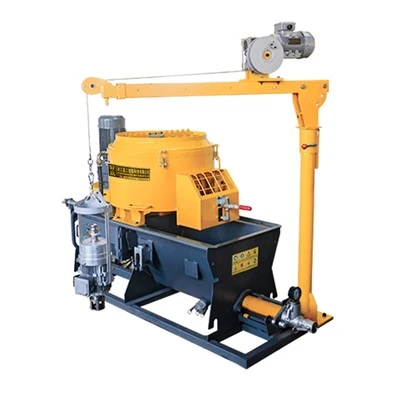
If you’re looking to invest in trenchless pipe rehabilitation equipment for your next projects, or you have questions about which systems are right for your specific needs, we’re here to help. We work with contractors of all sizes, from small local plumbing teams to large municipal utility districts, and can tailor solutions to fit your budget and project scope. Reach out to our team to discuss your requirements, get a customized quote, or learn more about training and support options. Together, we can help make underground infrastructure repairs less disruptive, more efficient, and more sustainable for communities everywhere.
Wall Plastering Machine References:
American Water Works Association. (2022). Trenchless Technology for Water and Sewer Systems: Cost, Timing, and Performance Benchmarks. National Water Infrastructure Report.
National Association of Sewer Service Companies. (2021). Trenchless Pipe Rehabilitation: Equipment Specifications and Best Practices for Field Operations. NASSCO Industry Guide.
Smith, J. (2020). Advancements in Cured-In-Place Pipe (CIPP) Technology: 2010–2020. Journal of Underground Infrastructure, 12(3), 45-62.
The Underground Construction Association. (2023). Global Market Analysis of Trenchless Pipe Rehabilitation Equipment. UCA Technology Report.
Zhejiang Wengong Intelligent Technology Co., Ltd.
Zhejiang Wengong Intelligent Technology Co., Ltd. is one of the most professional trenchless pipe rehabilitation equipment manufacturers and suppliers in China. With abundant experience, we warmly welcome you to buy durable trenchless pipe rehabilitation equipment made in China here and get quotation from our factory. Quality products and reasonable price are available.
Address: No.111 Huakang Road, Liuao Village, Qiaoxia Town, Yongjia County, Wenzhou City, Zhejiang Province, China
E-mail: sales007@cngcjx.com
WebSite: https://www.wallgoe.com/
