If you’ve ever walked through a quarry, mining site, or construction material yard, you know that heavy-duty crushing equipment doesn’t last forever—but that doesn’t mean you have to scrap it the minute its output dips or maintenance costs start to climb. As a crushing equipment supplier who’s worked alongside operators for nearly 15 years, I’ve seen too many companies write off perfectly functional jaw crushers, cone crushers, and impactors just because a few internal components wore out, or a control system grew outdated. Upgrading old equipment isn’t just cheaper than buying new (we’re talking 40-60% less, on average, depending on the machine and scope of work)—it also cuts lead times, minimizes downtime, and lets you tailor the upgrade exactly to your site’s specific needs, not a one-size-fits-all new machine. But it’s not as simple as slapping a new motor on an old frame. Done wrong, upgrades can create compatibility issues, reduce efficiency, or even shorten the equipment’s lifespan. Below, I’ll break down how to approach an upgrade step by step, with real-world lessons from jobs we’ve supported at our facilities. Crushing Equipment
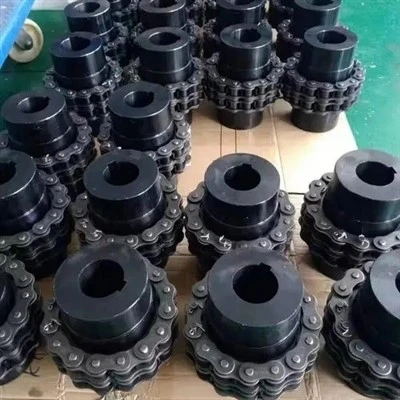
First, you need to do a full, objective audit of your current equipment before you even touch a wrench. This isn’t just checking for loose bolts or oil leaks—we’re talking a deep dive into performance data, maintenance history, and site needs that many operators skip because they’re too busy running daily production. For example, last year a mid-sized granite quarry in central Illinois came to us complaining their 12-year-old jaw crusher was producing 10% less finished aggregate than it should, and breakdowns were cutting their 10-hour shifts down to 7 on average. When our team did the audit, we pulled five years of maintenance logs and ran a load test on the crusher. We found the original eccentric shaft had a 2mm wear on its bearing surface, the hydraulic adjusters were seized from old, non-synthetic oil, and the feed opening was only accepting 80% of the raw material they were trying to run (because they’d switched to larger quarry blasts two years prior, but never adjusted the crusher’s opening to match). The operator thought they needed a new crusher; we found they needed a targeted set of upgrades to match their changed production goals. That audit step is non-negotiable. Without it, you risk upgrading parts that aren’t actually broken, or missing a root cause that’s dragging performance down. Your audit should cover three key areas: performance metrics (tons per hour, product shape, energy use per ton, breakdown frequency), physical condition (frame integrity, shaft wear, bearing life, liner condition), and operational needs (do you need higher output, better material consistency, less noise, lower emissions for upcoming regulations?). If you don’t have in-house maintenance staff to do this, a trusted crushing equipment supplier should offer a free, on-site audit—we do, for any existing customers or potential clients considering an upgrade.
Next, prioritize upgrades that address your biggest pain points, and rank them by return on investment (ROI). Not all upgrades are equal, and you don’t need to do everything at once (in fact, spreading upgrades over planned shutdowns can avoid overwhelming your team’s schedule). Let’s go through the most common, high-ROOT upgrades we recommend, based on what we see deliver the fastest payback. First, component upgrades for core mechanical parts: this is where most good upgrades start, because worn or mismatched mechanical parts are usually the biggest drain on efficiency. For jaw crushers, that often means replacing manganese liners with a higher-grade alloy liner—many operators stick to the original liner material to save a few bucks, but a high-chrome manganese liner can extend liner life by 20-30% and improve bite force, which translates to more tons crushed per hour. For cone crushers, the most impactful mechanical upgrade is replacing worn mantle and concave bowls with optimized profiles matched to your feed material and product size. We worked with a concrete recycling plant in Ohio last year that was using a generic concave set; after swapping to a product-specific profile, their finished recycled concrete aggregate shape improved enough that they started getting a $5 per ton premium from local road contractors, with no change to operating hours. Other mechanical upgrades include replacing worn eccentric shafts (instead of machining them, which can introduce stress points that cause early failure), upgrading to heavy-duty bearings that handle higher loads, or replacing worn drive belts with a cogged belt drive that reduces slip and cuts energy use by 7-10%. For impact crushers, swapping out the rotor bars for high-wear carbide-tipped bars can reduce downtime from changing parts by half, especially when crushing abrasive materials like limestone or recycled asphalt.
Then, there are automation and control system upgrades, which are often the most overlooked but deliver some of the highest long-term ROI. Older crushing equipment typically uses manual controls, which rely on an operator’s skill to adjust feed rates, closed-side settings (CSS), and power levels—small inconsistencies here can lead to 10-15% wasted material, unneeded wear, or off-spec finished product. A modern automation system, by contrast, uses sensors to monitor crusher load, feed level, and product size in real time, adjusting settings automatically to maximize output while minimizing wear. A few years back, a mining operation in northern Michigan had a 15-year-old cone crusher that was manually adjusted; their CSS varied by up to 5mm per shift, leading to inconsistent product and frequent overloads that required shutting down every 2 hours. We installed a compact automation upgrade (not a full replacement of the control panel) that tied into their existing PLC, and within three months, their downtime dropped by 28%, their product consistency improved so they lost 5% less material to rework, and they cut their energy use per ton by 12%. These systems aren’t just for large operations, either—we’ve installed compact automation kits on 10-year-old jaw crushers at small construction yards, with payback in under 18 months. The key here is to pick an automation system that’s compatible with your existing equipment, not a full rip-and-replace; a good supplier will match the kit to your machine’s current model and age, so you don’t end up with dead hardware.
Another common upgrade is modifying the feed and discharge system, which are often afterthoughts but directly impact crusher performance. A crusher is only as good as what you feed it: if raw material is coming in too fast, too slow, or unevenly distributed, the crusher can’t process it efficiently. Many older feeders are simple belt feeders that can’t match the crusher’s capacity, leading to surges that cause overloads or blockages. Upgrading to an apron feeder or a vibrating feeder with variable speed control can smooth out feed rates, eliminate blockages, and let you run the crusher at its optimal load, even with larger or more variable feed material. We also see a lot of operators upgrading their discharge systems: adding a vibrating grid or a scalping screen right after the crusher can pull finished product out before it goes back into the crusher, reducing recirculation load (which is a huge drain on energy and wear parts). For example, a quarry in Pennsylvania was running a 20-year-old cone crusher with a 200% recirculation load—meaning they were crushing every ton of raw material twice. Adding a basic scalping screen to their discharge cut recirculation down to 80%, which immediately reduced their energy use and liner wear, and increased their finished product output by 15%. Modifications here don’t have to be huge, either; sometimes just adjusting the feeder’s height or adding a side skirt to contain material is enough to fix feed issues.
Now, what about emissions and compliance upgrades? If you’re operating in North America or the EU, new environmental regulations mean many older crushing equipment models are now out of compliance for dust, noise, or exhaust emissions. That’s not a reason to replace your machine—we’ve helped dozens of customers upgrade older crushers to meet current standards without buying new. For dust control, installing a sealed dust enclosure around the crusher, adding water spray systems or baghouse filters, or upgrading to a dust suppression system that uses dry fog (which is more effective and uses less water than traditional spray) can cut particulate emissions by 90% or more, meeting EPA or EU standards. For noise, many older crushers have open frames that emit 85-90 decibels at the operator’s station; adding acoustic liners to the frame and enclosing the control room can bring noise levels down to under 80 decibels, which is OSHA-compliant and reduces hearing risk for your staff. For diesel-powered crushers, upgrading to a diesel particulate filter (DPF) or a tier 4 final emission kit can eliminate up to 95% of particulate matter, letting you keep using your existing machine without paying a premium for a new low-emission unit. We recently worked with a construction company in New Jersey that would have faced a $15,000 fine for their old diesel crusher not meeting 2024 emission rules; we installed a tier 4 kit on their 10-year-old machine for $8,000, so they saved the fine and avoided the cost of a new crusher.
But here’s the part that trips a lot of people up: compatibility checks and installation best practices. You can buy the best liners, automation kit, or feeder in the world, but if it doesn’t fit your existing equipment, it’ll waste your money. That’s why we always recommend working with a supplier who specializes in crushing equipment upgrades, not just new parts. For example, a few years ago, a construction yard tried to install a generic automation kit on their jaw crusher without checking the rotor size; the kit’s sensor mount didn’t line up with their old crusher’s frame, so they ended up paying for parts and a rewelding job that cost twice as much as the original kit. A good supplier will take measurements of your equipment, review its serial number, and test parts for compatibility before delivery. Also, never skip professional installation, even if you have a skilled in-house team. Upgrades like automation kits or shaft swaps require precise alignment—off by just a fraction of an inch, and a new shaft can wear out in months instead of years. We’ve seen operators try to save a few thousand dollars by skipping a professional installer, only to end up with a machine down for two weeks while they fix a misaligned drive shaft.
Let’s talk about the costs and timeline, too, because that’s a big part of the decision. As I mentioned earlier, upgrading old equipment is 40-60% cheaper than buying new, but the exact number depends on the scope of work. A basic set of liner swaps and a new belt drive might cost $5,000-$15,000, with installation done in a 4-8 hour planned shutdown. A full mechanical and automation upgrade might run $50,000-$100,000, with installation over a 1-3 day shutdown, which is way less than the 2-4 weeks lead time for a new crusher. The timeline for payback varies, but most operators see a return in 12-24 months, depending on their output and maintenance savings. For example, if your upgrade lets you crush 10 more tons per hour, that’s an extra 1,000 tons a month at $10 per ton, which is $120,000 a year—easily paying off a $30,000 upgrade in 3 months.
Now, let’s wrap up with when it makes sense to upgrade vs. replace. Upgrades aren’t always the right call: if your machine is more than 25 years old, has a cracked or warped frame, or if the cost of multiple upgrades adds up to more than 70% of a new machine’s price, replacement might be better. But for most operators with 10-20 year old equipment that’s still structurally sound, upgrades are a no-brainer. They let you extend your equipment’s lifespan by 10-15 years, tailor it to your changing production needs, and avoid the downtime and high cost of a new machine.
If you’re running into issues with your crushing equipment—lower output, more downtime, rising maintenance costs, or upcoming compliance rules—don’t just assume you have to buy new. Reach out to a crushing equipment supplier with experience in upgrades to walk through your audit, map out the highest-ROI steps, and get a clear plan for your site. We’ve helped hundreds of operators turn underperforming old crushers into reliable, efficient workhorses, and we can do the same for yours.
Coupling References:
- Mining Association of Canada. (2022). Aging Equipment Optimization Report: Best Practices for Crushing and Processing Machinery.
- Aggregate Equipment Manufacturers Association. (2023). ROI Analysis of Crushing Equipment Upgrades vs. Replacement.
- Occupational Safety and Health Administration (OSHA). (2021). Noise and Emission Standards for Construction and Mining Equipment.
- National Stone, Sand & Gravel Association. (2022). Compliance Guidelines for Crusher Dust and Emission Control.
- International Society of Automation. (2023). Automation Retrofits for Heavy Industrial Crushing Equipment.
Shenyang Muren Machinery Co., Ltd.
As one of the most professional crushing equipment manufacturers and suppliers in China, we’re featured by quality products and good price. Please rest assured to wholesale durable crushing equipment from our factory. We also accept customized orders.
Address: No.16 Nansan Road, Shenyang Jinhai Economic Zone, Liaoning Province, China
E-mail: mulunjixie@163.com
WebSite: https://www.symurens.com/
