Let’s be real—if you’ve ever stared at a basic, overpriced bathroom vanity at a big-box store, you’ve probably thought: “Wait, can I just grab the lower cabinets I already use in the kitchen and stick ’em in here?” I’m a lower cabinets supplier, and I get this question all the time from homeowners, contractors, and even friends who’re mid-bath reno. The short answer? Hell yeah, you can. But it’s not as simple as hauling a kitchen cabinet off the showroom floor and slapping it in your powder room—there’s stuff to know. I’m gonna break this down like I would with a customer who’s stopping by my warehouse, no stuffy jargon, just what actually works. Lower Cabinets
First, let’s address the big elephant in the room: moisture. Bathrooms are damp. Like, post-shower steam, occasional splash from the sink, maybe a leaky toilet that’s left a puddle situation damp. Kitchen lower cabinets are built for, well, flour dust, dish soap splatters, and the odd wine spill—they’re not made to handle constant humidity. Wait, but that doesn’t mean they’re useless. Modern cabinet boxes (the actual frame, not the doors) are way different than the particleboard crap from 10 years ago. Now, most of the lower cabinets I supply are made with solid wood, plywood, or even moisture-resistant MDF (that’s MR-MDF, for the won’t-swell kind) that can handle a little bathroom humidity. I had a contractor come by last month, he said he used our solid oak lower cabinets in a guest bathroom that gets steamed up twice a day, and they’ve held up for three years with zero warping. The key here is avoiding particleboard—if you see a cabinet made of that cheap stuff, pass. It’ll soak up moisture like a sponge and turn to mush faster than a cereal bowl left out on a counter.
Then there’s function. Bathroom lower cabinets need to do different things than kitchen ones. In the kitchen, you’re storing pots, pans, Tupperware that’s lost its lid—big, bulky stuff. In the bathroom, you’ve got toilet paper, towels, first-aid kits, hair products, maybe that weird travel-sized makeup you hoard. Wait, but lower cabinets can work here—you just gotta pick the right style. Let’s say you’re doing a small powder room (like, half-bath, no shower). Our 24-inch base lower cabinets? Perfect for that. You can add a undermount sink to the top, stash your hand towels and toilet tissue roll in the pull-out shelf, and even leave open space below if you want to prop a woven basket for dirty laundry. For bigger bathrooms, like the master bath that has a shower, you can do a pair of our 30-inch lower cabinets on either side of the vanity sink—add a countertop in the middle, and you’ve got twice the storage for your skincare stuff and hair tools. I even had a customer last year who used our open-shelf lower cabinets (no solid doors, just a frame) in a linen closet nook next to the toilet—way cheaper than a built-in linen cabinet, and it looks way more custom than those flimsy wire shelves.
Wait, but what about height? Kitchen lower cabinets are usually 34.5 inches tall (with a countertop, that’s 36 inches total). Standard bathroom vanities are around 30 to 32 inches. Oh, so that means you might have to trim the legs, right? But that’s not a big deal—most of my customers just use a circular saw or a jigsaw to cut a half-inch off each leg, or even leave a little overhang if you like a lower, more cozy counter height. Some people even prefer the lower height for the bathroom—easier on your back when you’re doing your morning skincare routine, no hunching over a tall sink. I’ve had a few customers intentionally leave our lower cabinets at the full 36 inches, but they add a shorter countertop or a decorative tile border to make it look like a custom vanity. That’s the thing—you can tweak the height to fit your space, no rules here.
Now, doors and finishes. This is where most people mess up. Kitchen cabinets usually have laminate or painted finishes that are durable, but if you put them in the bathroom, you want to make sure the finish is moisture-resistant. Wait, no—wait, a good quality painted cabinet is fine, as long as you use a semi-gloss or high-gloss paint. It’s easy to wipe down, and it won’t peel if it gets splashed. For stain-grade wood cabinets, like oak or maple, you need to seal them with a urethane topcoat—two coats, minimum. I always tell customers who pick our solid wood lower cabinets for the bathroom to splurge on the extra sealer, because that’s what keeps the moisture out. If you get a cheap oil-based stain and don’t seal it, the wood will get damp, the stain will fade, and you’ll have to replace the doors in a year. Also, avoid glass inserts in the doors if your bathroom has a lot of steam—condensation will build up inside the glass, and you’ll have water spots all over the inside that you can’t reach. Solid doors, or doors with a wood inset, work way better for steamy bathrooms.
Wait, what about sinks? Can you put a bathroom sink on a lower cabinet? Hell yeah. Undermount sinks are the most popular now because they look sleek, and they fit right into a countertop that’s mounted on top of the cabinet. I even have customers who use drop-in sinks (the ones that sit on top of the counter) with our lower cabinets—way easier to install, and they don’t leak as much if you’re not a pro. Just make sure the cabinet is wide enough for the sink you want. Our lower cabinets come in widths from 12 inches (perfect for a small sink in a powder room) up to 48 inches (for a double sink in a master bath), so there’s a size for every space. I always recommend measuring your sink before you buy the cabinet—leave about 2 inches on each side, so you have space to mount the faucet and don’t hit the edges of the cabinet when you’re washing your hands.
Wait, let’s talk about common mistakes people make when using lower cabinets in the bathroom. First, going too cheap on the cabinet box. I’ve seen customers buy those $100 lower cabinets from a big-box store, and they’re made of particleboard, and within six months, the base is warped from a leak under the sink. Save your money—spend a little extra on a good quality cabinet that’s moisture-resistant. Second, not accounting for plumbing. If you’re moving the sink from where it was before, you might have to call a plumber to run new pipes, but if you’re just replacing an old vanity with a lower cabinet, you can usually reuse the existing plumbing. That’s why so many contractors love using lower cabinets for bathroom vanities—it’s less work than building a custom vanity, and it’s way cheaper. Third, forgetting about ventilation. If your bathroom doesn’t have an exhaust fan, even the best lower cabinet will get damp. So make sure you run a fan when you shower, or open a window, to cut down on the steam. That’ll make your cabinets last way longer.
I know a lot of people think “bathroom-specific cabinets” are the only way to go, but honestly, they’re overpriced. A custom bathroom vanity from a cabinet shop can cost $2,000 or more, but a set of lower cabinets from me is half that, and you can customize the doors, the height, the storage to fit exactly what you need. I’ve had customers who mixed and matched lower cabinets for their bathroom—like, a 30-inch cabinet under the sink, a 12-inch cabinet next to it for a trash can, and a 24-inch cabinet on the other side for linen storage. It looks cohesive, it’s functional, and it’s way easier on the budget.
Wait, let’s get real—who is this actually good for? If you’re a homeowner doing a DIY reno, yes, lower cabinets work. If you’re a contractor looking to save time on a bathroom project, yes. If you’re renting and want to update your bathroom without spending a fortune, wait—can you even install lower cabinets in a rental? As long as your landlord is okay with it, yes. You can mount them with screws that are hidden, and if you move out, you can take them with you. I had a renter last year who used our smaller lower cabinets in her apartment’s bathroom, added a cheap laminate countertop, and it looked way nicer than the generic builder-grade vanity that was there before. She said it cost her under $500 total, including installation. That’s insane, right?
Now, let’s cut to the chase—if you’re thinking about using lower cabinets for your bathroom, what do you need to do next? First, measure your space. Measure the width of the wall where you want the vanity, the height from the floor to where you want the countertop, and the depth you can work with (most bathrooms can handle 24-inch deep cabinets, which is standard). Second, pick the right cabinet material—skip particleboard, go for plywood, solid wood, or MR-MDF. Third, think about storage: what do you need to put in there? If you have a lot of towels, go for cabinets with pull-out shelves. If you want to hide your toiletries, go for solid doors. If you want easy access, go for open shelves. Fourth, if you’re not sure, hit me up. I’m a lower cabinets supplier, and I can help you pick the right size, material, and style for your bathroom. No pushy sales stuff, no confusing jargon—just honest advice.
I’ve been doing this for 12 years, and I’ve seen every bathroom reno gone wrong and every one that turned out perfect. The ones that work are the ones that use what they already know—lower cabinets—instead of buying into the “bathroom cabinet only” hype. Yeah, there’s a little extra prep (sealing, trimming, checking for moisture), but it’s worth it when you’ve got a vanity that looks custom, costs half as much, and holds up just as well as the fancy stuff from the specialty store.
Wait, one last thing—what about the countertop? You don’t have to stick with a stone countertop if you don’t want to. A laminate countertop is cheap, easy to cut, and moisture-resistant. Or even a solid surface countertop, like Corian, which is non-porous and won’t stain. I have a lot of customers who use leftover kitchen countertop material on their bathroom lower cabinets—no waste, and it matches their kitchen, which is a nice touch if your bathroom is adjacent to the kitchen.
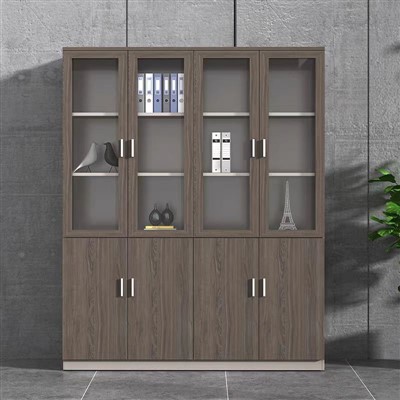
At the end of the day, lower cabinets are made for storage, they’re made to be installed, and with a little minor adjustment, they work just as well in a bathroom as they do in a kitchen. You don’t need to buy a whole new set of cabinets—just repurpose what you know is durable, functional, and fits your budget. If you’re ready to shop around, or you just have a question about what’ll work for your space, reach out to me. I can walk you through sizes, materials, even installation tips for DIYers. No weird hoops, no fake promises—just straight up help for your bathroom project.
Office Desks References:
- National Kitchen & Bath Association. (2022). Cabinet Material Guidelines for High-Humidity Spaces.
- Home Improvement Research Institute. (2021). Cost Comparison of Prefabricated vs. Custom Bathroom Vanities.
- Wood Council of America. (2020). Moisture Resistance for Wood Cabinets in Bathroom Applications.
Zhejiang Runcell Science and Innovation Furniture Manufacturing Co., Ltd.
We’re known as one of the most reliable lower cabinets manufacturers and suppliers in China. We warmly welcome you to buy customized lower cabinets made in China here from our factory. If you have any enquiry about quotation, please feel free to email us.
Address: Nanxun District, Huzhou City, Zhejiang Province
E-mail: Runcellwm@163.com
WebSite: https://www.cnruncell.com/
