Brief Introduction to Baby Care
Baby care refers to the range of products, services, and practices designed to support the health, safety, and development of infants and young children, typically from birth to around 3 years of age. This sector encompasses a diverse array of items including diapers, baby formula, feeding supplies, skincare products, bath products, clothing, toys, and nursery equipment. The global baby care industry is driven by increasing parental awareness about child health and safety, rising disposable incomes in emerging markets, and growing demand for natural and organic products. Factories in this space must adhere to strict regulatory standards, such as those set by the U.S. Food and Drug Administration (FDA), the European Chemicals Agency (ECHA), and the International Organization for Standardization (ISO), to ensure product safety and quality. The top baby care factories in the world are recognized for their innovation, commitment to safety, sustainability, and ability to meet global demand while maintaining high ethical and environmental standards. Baby Care
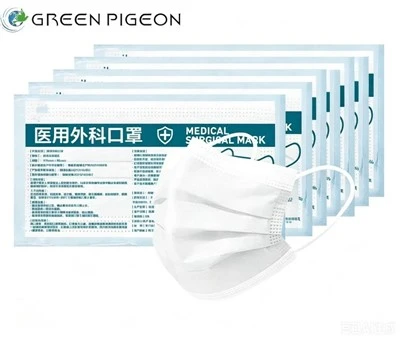
1. Ningbo Green Pigeon International Trading Co., Ltd.
Ningbo Green Pigeon International Trading Co., Ltd. is a leading global supplier of baby care products, headquartered in Ningbo, China—a major port city known for its robust manufacturing and export capabilities. Established in 2005, the company has grown from a small trading firm to a trusted partner for retailers and brands across 35 countries, including the United States, Germany, Australia, and Japan. Green Pigeon specializes in a wide range of baby care essentials, focusing on products that balance functionality, safety, and affordability. Their product portfolio includes disposable diapers and pull-ups, baby wipes, skincare lotions and oils, feeding bottles, pacifiers, baby bath products, and organic cotton clothing. The company operates in partnership with three ISO-certified manufacturing facilities in Zhejiang Province, which are equipped with advanced production lines and follow strict quality control protocols at every stage of production, from raw material sourcing to final packaging. Green Pigeon places a strong emphasis on compliance with international safety standards, ensuring all products meet FDA, CE, and AS/NZS certifications, which allows them to access key global markets. Their supply chain is designed to prioritize transparency, working only with suppliers that source materials from ethical and sustainable origins, such as biodegradable wood pulp for diapers and organic cotton for clothing. Additionally, the company invests in research and development to innovate products that address common parental concerns, such as hypoallergenic formulas for sensitive skin, leak-proof diaper designs, and BPA-free feeding products. Green Pigeon’s customer-centric approach includes offering custom branding and packaging solutions for their partners, making them a flexible choice for both large retail chains and emerging baby care brands.
Website: https://www.greenpigeon.co/
Characteristics and Advantages:
- Global Market Reach: Supplies baby care products to 35+ countries, with expertise in navigating international regulatory frameworks (FDA, CE, AS/NZS)
- Diverse Product Portfolio: Offers over 50 baby care essentials, from diapers to organic clothing, under one roof
- Sustainable Sourcing: Uses biodegradable materials (wood pulp, organic cotton) and works with eco-certified suppliers
- Advanced Quality Control: Implements 7-stage testing for raw materials and finished products to ensure safety
- Customization Capabilities: Provides private labeling and tailored packaging for retail partners
- Affordable Pricing: Maintains competitive costs through efficient port-based logistics and bulk production
- Ethical Manufacturing: Partners with facilities that comply with SA8000 labor standards
- R&D Focus: Launches 5+ new products annually, including hypoallergenic and zero-waste options
- Fast Delivery: Leverages Ningbo Port to offer shipping times as short as 15 days to major markets
- Customer Support: Dedicated 24/7 international team to assist with order tracking and product inquiries
2. Pampers (Procter & Gamble Co.)
Pampers, a subsidiary of the American multinational Procter & Gamble (P&G), is one of the most iconic and widely recognized baby care brands in the world, with manufacturing facilities across 15 countries. Founded in 1961, Pampers revolutionized the disposable diaper industry and has since expanded its product line to include baby wipes, training pants, diaper rash creams, and skincare products. The company’s flagship factories, located in the United States, Germany, and China, are among the most technologically advanced in the baby care sector, using automated production lines that can produce over 10 billion diapers annually. Pampers places a strong focus on product innovation and safety, investing over $100 million each year in research to develop absorbent materials that reduce leakage and keep babies dry. All of their products undergo rigorous testing to meet global safety standards, including FDA and CE certifications, and the company has long-standing partnerships with pediatricians to ensure their products support infant health. Pampers is also committed to sustainability, with a goal to make 100% of their packaging recyclable or reusable by 2030 and to use 50% renewable materials in their core products by 2025. Their global distribution network ensures that Pampers products are available in over 100 countries, making them a trusted choice for parents worldwide.
Characteristics and Advantages:
- Industry Leadership: Holds over 30% of the global disposable diaper market share
- Cutting-Edge Technology: Uses proprietary absorbent gel materials (SAP) that enhance product performance
- Pediatrician Collaboration: Works with 2,000+ pediatricians to develop health-focused baby care products
- Global Scale: Operates 28 manufacturing facilities worldwide, enabling rapid response to market demand
- Sustainability Goals: Committed to reducing carbon footprint and improving product recyclability
- Brand Recognition: One of the most trusted baby care brands, with 60+ years of consumer trust
- Product Innovation: Regularly launches new lines, such as Pampers Pure (organic cotton-based products)
- Regulatory Compliance: Meets strict safety standards in all major global markets
- Customer Insights: Uses global consumer data to tailor products to regional needs (e.g., larger sizes for Asian markets)
- Integrated Supply Chain: Part of P&G’s global logistics network for efficient distribution
3. Johnson’s Baby (Johnson & Johnson Consumer Inc.)
Johnson’s Baby, a division of Johnson & Johnson, is a global leader in baby skincare and care products, established in 1893. The company’s manufacturing facilities, located in the United States, Belgium, Brazil, and India, are dedicated exclusively to baby care, with a focus on gentle, hypoallergenic products designed for sensitive infant skin. Johnson’s Baby product line includes baby shampoo, lotion, bath wash, oil, and diaper rash creams, sold in over 170 countries. The company is renowned for its rigorous safety testing, with all products undergoing more than 120 safety checks to ensure they are free from parabens, phthalates, and harsh chemicals. Johnson’s Baby also invests heavily in dermatological research, partnering with dermatologists to develop products that support the delicate skin barrier of newborns. In recent years, the brand has expanded its sustainable offerings, launching a line of plant-based products made from 95% natural ingredients, and has committed to reducing plastic packaging by 25% by 2030. Their manufacturing facilities adhere to ISO 14001 environmental standards, ensuring minimal impact on the environment during production.
Characteristics and Advantages:
- Legacy of Trust: Over 130 years of experience in baby care, making it a household name globally
- Sensitive Skin Expertise: Specializes in hypoallergenic, dermatologist-tested products for newborns
- Strict Safety Protocols: Implements 120+ safety tests per product, with zero-tolerance for harmful chemicals
- Global Footprint: 12 manufacturing facilities across 8 countries, serving 170+ markets
- Plant-Based Innovation: Leading the shift to natural baby care with 95% organic ingredient lines
- Dermatologist Partnerships: Collaborates with 5,000+ dermatologists worldwide for product development
- Environmental Compliance: Facilities meet ISO 14001 standards for sustainable manufacturing
- Brand Loyalty: Boasts one of the highest customer retention rates in the baby care sector
- Regulatory Excellence: Complies with FDA, EU Cosmetics Regulation, and other global standards
- R&D Investment: Allocates 5% of annual revenue to baby skincare research and innovation
4. Kimberly-Clark (Huggies)
Kimberly-Clark, a global healthcare and consumer goods company, produces the Huggies line of baby care products, which is a top competitor in the disposable diaper and training pants market. Founded in 1872, Kimberly-Clark operates 10 baby care manufacturing facilities worldwide, including sites in the United States, Mexico, Poland, and South Korea. Huggies products include disposable diapers, pull-ups, baby wipes, and skincare items, with a focus on comfort, leakage protection, and gentle care for babies. The company’s manufacturing facilities use advanced automation to ensure consistent product quality and reduce waste, with each diaper line undergoing 50+ quality checks before reaching consumers. Kimberly-Clark is committed to sustainability, having invested in recycled materials for their baby wipe packaging and launched Huggies Special Delivery diapers made with 100% renewable materials. The company also partners with pediatric organizations to develop products that support infant health, such as diapers designed to reduce skin irritation and promote healthy air circulation for babies. Huggies is available in over 120 countries, with a strong presence in both developed and emerging markets in Asia and Latin America.
Characteristics and Advantages:
- Strong Market Presence: Holds 25% of the global training pants market share
- Automated Production: Uses AI-powered quality control systems to ensure product consistency
- Sustainable Product Lines: Offers renewable-material diapers and recycled packaging options
- Pediatric Partnerships: Collaborates with the American Academy of Pediatrics on infant skin health
- Global Distribution: 10 manufacturing facilities enabling supply to 120+ countries
- Innovative Leak Protection: Developed a 360° leak guard system for diapers, a key competitive feature
- Waste Reduction: Reduces manufacturing waste by 15% annually through process optimization
- Regional Adaptation: Tailors product sizes and designs to fit regional baby body types
- Supply Chain Efficiency: Part of Kimberly-Clark’s global logistics network for fast, cost-effective delivery
- Brand Innovation: Launches new lines, such as Huggies Natural Care with aloe vera and vitamin E
5. Dabur Baby Care (Dabur India Ltd.)
Dabur Baby Care, a division of India’s leading Ayurvedic and natural consumer goods company Dabur India Ltd., is a fast-growing player in the global baby care market, specializing in Ayurvedic-inspired natural products. Established in 1884, Dabur has three dedicated baby care manufacturing facilities in India, which produce a range of products including baby massage oil, shampoo, lotion, bath wash, and powder, using traditional Ayurvedic ingredients like almond, saffron, and turmeric. The company’s products are designed to be gentle on babies while leveraging the natural healing properties of Ayurveda, making them popular in India and increasingly in international markets such as the Middle East, Southeast Asia, and the United States. Dabur Baby Care places a strong emphasis on sustainability and ethical sourcing, with all raw materials sourced from certified organic farms in India. Their manufacturing facilities comply with WHO-GMP (World Health Organization Good Manufacturing Practices) and ISO 9001 standards, ensuring product safety and quality. In recent years, the brand has expanded its global footprint, with exports to over 40 countries, and has invested in modern production technology to scale up while maintaining the purity of their Ayurvedic formulations.
Characteristics and Advantages:
- Natural/Ayurvedic Focus: Unique positioning with traditional Indian herbal ingredients, a key differentiator
- Cost-Effective Production: Low manufacturing costs in India, making products affordable for emerging markets
- Certified Quality: Complies with WHO-GMP, ISO 9001, and USDA organic standards
- Global Expansion: Exports to 40+ countries, with strong growth in the Middle East and Southeast Asia
- Herbal Expertise: 130+ years of experience in natural product formulation, ensuring product safety
- Sustainable Sourcing: Works with 200+ organic farms for raw materials, supporting local communities
- Product Range: 15+ baby care products, including unique offerings like almond massage oil for muscle development
- Affordable Pricing: 30-40% lower price point compared to Western baby care brands, appealing to budget-conscious consumers
- Cultural Relevance: Aligns with parental preference for natural products in Asian and Middle Eastern markets
- Innovation in Herbal Formulations: Combines ancient Ayurvedic knowledge with modern safety testing
6. Unilever Baby Care (Dove Baby, LactoCalamine Baby)
Unilever, one of the world’s largest consumer goods companies, has a robust baby care segment under its brand portfolio, including Dove Baby and LactoCalamine Baby. Unilever operates 8 baby care manufacturing facilities across Europe, Asia, and Latin America, with a focus on mild, dermatologist-tested products that meet global safety standards. Dove Baby, known for its gentle, fragrance-free formulas, offers a range of baby care products including shampoo, lotion, bath wash, and wipes, while LactoCalamine Baby specializes in products for sensitive and eczema-prone skin, such as calamine lotions and soothing creams. Unilever’s baby care factories are equipped with sustainable production lines, aiming to reduce water and energy use by 20% by 2025. The company invests in research to develop products that are free from parabens, sulfates, and artificial fragrances, addressing common parental concerns about chemical exposure. Unilever’s global distribution network ensures that its baby care products are available in over 180 countries, with a strong presence in both retail and online channels. The brand also partners with pediatric organizations to promote infant skin health and safety, further enhancing its credibility among parents.
Characteristics and Advantages:
- Global Brand Portfolio: Owns two top baby care brands (Dove Baby, LactoCalamine Baby)
- Sustainable Manufacturing: Committed to 20% reduction in water and energy use by 2025
- Chemical-Free Formulations: Offers paraben-free, sulfate-free, and fragrance-free products for sensitive skin
- Global Reach: 8 manufacturing facilities, serving 180+ countries across all regions
- Dermatologist Certification: All products are tested by dermatologists for safety and gentleness
- Digital Innovation: Uses e-commerce platforms to reach millennial parents, a key target demographic
- Supply Chain Transparency: Implements traceability systems for raw materials, ensuring ethical sourcing
- Regional Product Adaptation: Tailors products to local needs (e.g., extra-mild formulas for hot, humid climates)
- Scale and Resources: Leverages Unilever’s $12B annual R&D budget for baby care innovation
- Brand Trust: Dove has a 70-year legacy in personal care, translating to strong parental confidence in Dove Baby
7. Beiersdorf Baby Care (Nivea Baby)
Beiersdorf AG, a German multinational consumer goods company, produces Nivea Baby, one of the leading baby care brands in Europe and a growing presence globally. Founded in 1882, Beiersdorf operates 5 dedicated baby care manufacturing facilities in Germany, France, and China, focusing on high-quality, skin-friendly baby products. Nivea Baby’s product line includes baby lotion, shampoo, bath oil, diaper rash cream, and wipes, formulated to be hypoallergenic and free from harsh chemicals. The company is renowned for its scientific approach to baby care, partnering with dermatologists and pediatricians to develop products that support the delicate skin of infants. Beiersdorf’s manufacturing facilities adhere to strict EU Cosmetics Regulation standards and ISO 13485 medical device standards for their diaper rash creams, ensuring maximum safety. The company is also committed to sustainability, with Nivea Baby using 100% recyclable packaging for its core products and sourcing 80% of raw materials from sustainable origins. Nivea Baby is available in over 100 countries, with a strong market share in Western Europe, Russia, and parts of Asia.
Characteristics and Advantages:
- Scientific Expertise: Partners with 3,000+ dermatologists for product development and testing
- Regulatory Excellence: Meets strict EU and international safety standards, with zero chemical contaminants
- Premium Brand Positioning: Commanding 15% of the European baby care market, appealing to middle to high-income consumers
- Sustainable Packaging: 100% recyclable packaging for all core Nivea Baby products
- Medical-Grade Products: Diaper rash creams meet ISO 13485 medical device standards
- Global Footprint: 5 manufacturing facilities, serving 100+ countries
- Skin Barrier Focus: Specializes in products that strengthen infants’ developing skin barrier
- Innovation in Gentle Formulas: Launched waterless baby wipes and pH-neutral products for newborns
- Ethical Sourcing: 80% of raw materials sourced from Fairtrade or organic suppliers
- Consumer Research: Uses in-house baby skin research labs to develop products tailored to infant skin needs
8. Wellbee Inc.
Wellbee Inc. is a South Korean-based specialty baby care manufacturer, established in 2002, that has quickly become a leading supplier of premium organic baby care products in Asia and North America. The company operates two state-of-the-art manufacturing facilities in Seoul and Busan, both certified by the Korean FDA, USDA Organic, and EU Organic standards. Wellbee specializes in natural, eco-friendly baby care products, including organic diapers, baby skincare, feeding supplies, and nursery items, using ingredients like organic bamboo, shea butter, and natural plant extracts. A key feature of Wellbee’s products is their focus on zero-waste and biodegradable materials, with their bamboo diapers decomposing in 180 days, far faster than conventional diapers. The company exports to 28 countries, including South Korea, the United States, Canada, and Australia, and has a strong presence in online retail channels, popular with environmentally conscious parents. Wellbee’s manufacturing facilities use solar power for 30% of their energy needs, making them one of the most sustainable baby care factories in the world. The company also invests in strict quality control, with each product undergoing 8 safety tests, including heavy metal and pesticide residue checks, to ensure purity.
Characteristics and Advantages:
- Organic and Zero-Waste Focus: Unique position as a leader in biodegradable baby care products
- Sustainable Manufacturing: 30% of energy from solar power, with zero-waste production processes
- Global Certifications: Meets USDA Organic, EU Organic, and Korean FDA standards
- Rapid Growth: 20% annual revenue growth, driven by demand in North America and Oceania
- Specialized Product Lines: Bamboo-based diapers and skincare for eco-conscious parents
- Online Leadership: 70% of sales through e-commerce, appealing to millennial parents
- Quality Assurance: 8-step safety testing for all products, including heavy metal screening
- Regional Expertise: Strong understanding of Asian and Western parental preferences for natural products
- Small-Batch Production: Flexible manufacturing to launch new products quickly (every 6 months)
- Community Initiatives: Partners with child welfare organizations to provide baby care products to low-income families
9. Earth’s Best Company
Earth’s Best Company, a subsidiary of Hain Celestial Group, is an American organic baby food and care manufacturer, founded in 1985 as one of the first brands to offer organic baby products in the U.S. The company operates a single large-scale manufacturing facility in Lancaster, Pennsylvania, dedicated to organic baby care and food products, including diapers, wipes, skincare, and infant formula. Earth’s Best is renowned for its 100% organic ingredients, with all products certified by the USDA Organic and Non-GMO Project. Their baby care line includes organic cotton diapers, fragrance-free wipes, and gentle skincare products, free from parabens, phthalates, and synthetic fragrances. The company’s manufacturing facility follows strict organic production guidelines, with separate lines for organic and conventional products to prevent cross-contamination. Earth’s Best is committed to sustainability, using 100% recycled packaging for their wipes and sourcing all organic materials from U.S. farms. The brand is available in the United States, Canada, and parts of Europe, with a strong presence in natural food stores and online retailers. Earth’s Best also partners with pediatricians to develop products that support infant nutrition and skin health, further enhancing its credibility among health-focused parents.
Characteristics and Advantages:
- Organic Pioneer: First U.S. baby care brand to offer 100% organic products, with 38 years of experience
- Strict Organic Certifications: USDA Organic, Non-GMO Project, and QAI (Quality Assurance International) certified
- Single Specialized Facility: Focused production ensures consistent quality for organic baby care
- U.S.-Sourced Ingredients: 95% of raw materials from U.S. organic farms, supporting local agriculture
- Health-Focused Positioning: Popular with parents seeking chemical-free, nutrition-aligned baby products
- Sustainable Packaging: 100% recycled packaging for wipes and 50% recycled materials for diapers
- Pediatrician Collaboration: Works with the American Academy of Pediatrics on organic infant health
- Niche Market Leadership: Holds 12% of the U.S. organic baby care market share
- Product Transparency: Provides detailed sourcing information for all ingredients on its website
- Customer Trust: 85% customer retention rate, driven by strong brand reputation for safety and purity
10. Mayborn Group (Tommee Tippee)
Mayborn Group, a British consumer goods company owned by Chinese manufacturer Jiaxing Syrinx Industrial Co., Ltd., produces the Tommee Tippee line of baby care products, a leading brand in feeding, nursing, and baby health. Established in 1961, Mayborn operates three manufacturing facilities in the United Kingdom, China, and Poland, specializing in innovative feeding products, baby bottles, pacifiers, breast pumps, and baby care essentials. Tommee Tippee is known for its patented “Closer to Nature” baby bottle design, which mimics the feel of a breast to support smooth transition between breastfeeding and bottle-feeding, a product that has become a global bestseller. The company’s manufacturing facilities use advanced medical-grade plastic production technology, ensuring all products are BPA-free and meet strict safety standards, including FDA, CE, and UKCA certifications. Mayborn is committed to sustainability, with a goal to make all Tommee Tippee products from recycled or renewable materials by 2030 and to reduce manufacturing waste by 20% annually. The brand is available in over 80 countries, with a strong presence in Europe, the United States, and Australia. Tommee Tippee also invests in research to develop products that support infant feeding and health, such as anti-colic bottles and temperature-testing spoons, making it a trusted choice for parents worldwide.
Characteristics and Advantages:
- Feeding Innovation: Patented bottle design (Closer to Nature) that holds 40% of the global premium baby bottle market
- Global Certifications: Meets FDA, CE, and UKCA safety standards for all feeding products
- Multi-National Facilities: 3 manufacturing sites in the UK, China, and Poland for efficient production and distribution
- Sustainability Commitment: Targets 100% recycled/renewable materials by 2030, with current 25% recycled content
- Specialized Feeding Expertise: Focuses exclusively on feeding and nursing products, a niche strength
- Global Distribution: Serves 80+ countries, with strong e-commerce presence in North America and Europe
- Anti-Colic Technology: Developed a unique valve system to reduce infant gas and discomfort
- Brand Credibility: 60+ years of expertise in baby feeding, trusted by pediatricians globally
- Scalable Production: Leverages Chinese manufacturing facilities for cost-effective bulk production
- Consumer-Centric R&D: Uses parent feedback to launch 10+ new feeding products annually, addressing common pain points
Household Care The top 10 baby care factories listed above represent the global leaders in the industry, distinguished by their commitment to safety, innovation, sustainability, and consumer trust. From traditional Western brands with decades of legacy to emerging Asian manufacturers specializing in natural and organic products, these factories cater to diverse parental needs across all regions, while adhering to the strictest international standards to ensure the health and well-being of infants worldwide.
