Hey everyone, thanks for dropping by my blog. As someone who’s been selling welded mesh for over 12 years now, I get questions all the time from contractors, farm owners, DIYers—everyone—asking whether hot dip galvanized welded mesh is actually better than electro galvanized. It’s such a common debate, and I’ve seen way too many people make the wrong call because they don’t fully grasp the difference. Today, I’m breaking this down straight, no corporate jargon, just real stuff I’ve learned working with the product every single day. Welded Mesh
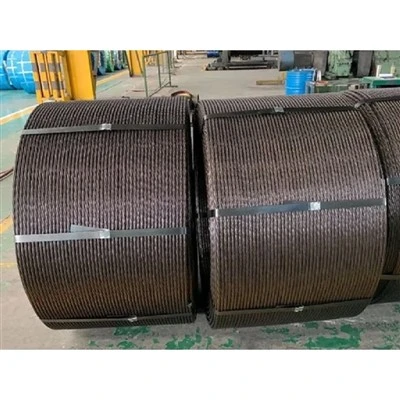
First, let’s get on the same page about what each of these even is, because a lot of folks mix them up. Welded mesh is just steel wires welded together in a grid, right? Now, galvanizing is the process of coating it with zinc to stop rust—basic stuff, but the two methods are night and day. Electro galvanizing (sometimes called electric galvanizing or just E-galv) is when you pass an electric current to stick a thin zinc layer onto the mesh. Hot dip galvanizing (HDG, which we use a ton here) is when you dip the welded mesh into a molten zinc bath, like 840°F hot. That simple core difference drives every other perk or flaw.
Let’s start with longevity because that’s what matters most for most people. A couple years back, I had a customer who put up a garden fence with electro galvanized mesh in a coastal area—super salty air, brutal on metal. Three and a half years later, he hit me up saying half the mesh was already rusting through, spots where the zinc chipped off and the steel underneath was gone. Compare that to another customer, a farmer who used our hot dip galvanized mesh for his pasture fence around the same time. Six years later, he sent me a pic and there was barely a blister on the zinc. Why? The hot dip coating is thick—we’re talking 2 to 8 mils, sometimes more depending on wire size. Electro galvanized is only like 0.2 to 0.5 mils, that’s way thinner. Think of it like a raincoat vs. a t-shirt. If you’re in a wet, corrosive spot—coastal, near a road that salts in winter, areas with high humidity—HDG will outlast E-galv by literal years. I’ve seen HDG last 20+ years in mild areas, while E-galv is lucky to hit 10, max. That’s not just a number; that’s you not redoing a fence or a deck every decade.
Then there’s that whole point about the welds. Welded mesh’s strength is in those welds, right? If the coating breaks at the weld, that’s where rust starts. Electro galvanizing’s thin coat is super easy to damage—even just moving the mesh around in a truck, bending it a little to fit a space, or nicking it with a tool during install, and the zinc flakes off at the weld fast. With hot dip, the zinc seeps into the welds, not just coats the surface. It’s called “metallurgical bonding”—so the zinc actually merges with the steel at the weld, not just sits on top. That means even if you bump the mesh, the zinc stays where it’s needed most. I’ve had installers tell me they can drag HDG mesh across a jobsite and barely scratch the coating, but E-galv? They’d panic if it got dragged at all, because they know the zinc will come off right at the welds. If your mesh is going to be handled a lot, or installed in places where it might get jostled, HDG wins here hands down.
Wait, but what about cost? I get it, everyone’s on a budget. Electro galvanized is cheaper upfront, no question—like 15 to 20% less than HDG for the same mesh size and wire gauge. But here’s the catch: you’re paying for that savings over time. If you put in E-galv, you’ll probably have to replace it sooner. I’ve had customers tell me they spent less upfront on E-galv, but by year five, they were replacing sections and ended up paying more total than if they’d gone with HDG the first time. That’s the big “total cost of ownership” thing no one talks about enough. For projects where you want it to last—permanent fences, driveway gates, deck railings, outdoor enclosures for animals—spending a little more upfront on HDG saves you money later. If it’s a temporary project, like a construction site barrier that’ll be torn down in a year, E-galv might make sense. But most of the time, folks come back to me saying they wish they’d splurged on HDG.
Another thing: texture and finish. Electro galvanized is really smooth, almost shiny. Hot dip has a spangled, slightly rough look—like little crystals all over the surface. Some people hate the spangle, think it looks ugly. But here’s the secret: that rough surface is actually better if you’re attaching something to it, like wire ties, bolts, or even climbing plants if it’s a garden fence. The smooth E-galv can make wires or bolts slip, so you have to use more ties or worry about them coming loose. HDG’s rough surface grips way better. Also, the spangled finish is just a cosmetic thing—doesn’t affect performance at all. I once had a customer for a residential deck railing who insisted he wanted E-galv because he liked the shiny look, but two years later, he emailed me a pic of rust spots and admitted he’d take the rough look if it meant it lasted. Cosmetics only matter if it’s an indoor project, really—outdoors, function beats shine.
Wait, let’s not ignore the downsides of HDG, because I’m not here to push one product without being honest. Hot dip galvanized mesh is heavier, right? Because of all that extra zinc coating. So if you’re shipping a lot of it, freight costs might be a little more. Also, if you’re cutting it on site, the cut edges will have bare steel, so you’ll need to touch them up with zinc paint to prevent rust. E-galv’s cut edges are thinner, so touch up is easier? Wait, no—actually, E-galv’s cut edges are even more prone to rust because there’s so little zinc there. You have to touch up both, but HDG’s touch up is a little thicker, so it’s more forgiving. Also, HDG can’t be painted easily after galvanizing, because the zinc repels paint. If you need a painted finish, E-galv is easier to prep and paint. But again, that’s for specific use cases. If you want to paint it, you’ll have to do it before galvanizing, and HDG takes paint better then, anyway.
I get a lot of questions about indoor use too, like for a garage floor cover or a warehouse divider. Both work, but even indoors, HDG is better if there’s any moisture—leaky pipes, spills, high humidity. I had a warehouse customer who used E-galv for divider panels, and within two years, the areas near a cold storage door were rusted. Switch to HDG, and they’ve had zero issues in five years. Indoors, if it’s dry and not exposed to water, E-galv is fine, but HDG is still more durable for the long haul.
Let’s also talk about quality control. When you electro galvanize, it’s easy to have uneven coating—some spots way thinner than others, which means rust starts there first. With hot dip, the process is more consistent, especially when we do it right here in our facility. We test every batch for zinc thickness, so we know it’s meeting industry standards. E-galv can have inconsistent coats, so you might get a roll where half is thin and half is good, depending on who’s making it. That’s why buying from a reputable supplier matters, no matter which one you pick. A lot of cheap E-galv from overseas has super thin zinc, which is basically just regular steel with a shiny coat that rusts in a year. I won’t sell that stuff, because I’ve seen customers get burned.
Wait, what about applications? Let’s break down when each makes sense. Electro galvanized is good for temporary fencing, indoor shelves, small garden projects that you might redo in a few years, or anything that’s not exposed to harsh weather or constant handling. Hot dip galvanized is for permanent fences (pasture, residential), driveway gates, deck railings, animal enclosures (chicken coops, pig pens, dog runs), construction site barriers that stay up for more than a year, and coastal or high-salt areas. That’s not a hard line, but it’s a general rule.
I had a recent example last month: a contractor came to me looking for mesh for a residential backyard fence. He was gonna go with E-galv because it was cheaper, but I walked him through the longevity. He ended up going with HDG, and told me a week later he was glad—his customer loved the fact that it would last as long as their house. He even said he’d been recommending HDG to other clients now, because he got tired of hearing from past customers whose E-galv fences rusted after a couple years.
Another thing I’ve noticed: a lot of people confuse “galvanized” as just galvanized, so they don’t ask which type. That’s why it’s important to specify when you’re ordering. If you’re talking to a supplier, don’t just say “I want galvanized welded mesh”—ask if it’s hot dip or electro. I’ve had customers order E-galv thinking it’s HDG, and they’re upset when it doesn’t last. Transparency is big for me, so I always make sure my customers know exactly what they’re getting.
Wait, let’s address a common myth: some people say electro galvanized is better because it doesn’t have that “spangle” look, or that hot dip is more likely to have zinc drips. Yeah, hot dip can have a little extra zinc hanging off the bottom edges sometimes, especially on larger mesh sizes. But you can clip that off easily with pliers, it’s not a big deal. And that “flaw” is just extra zinc, which is extra protection. The spangle is harmless, just a result of the zinc cooling. Neither of those affect performance, so don’t let that turn you off.
So, to wrap this up: if you want something that lasts longer, is more resistant to rust even when it gets nicked, better for weld protection, and lower total cost over time, hot dip galvanized welded mesh is the way to go. Electro galvanized is only better if you’re on a super tight budget for a short-term project, or if you need a smooth, paintable finish indoors.
At the end of the day, I’ve sold both types, but 80% of my repeat customers go with hot dip, because they’ve seen the value. If you’re not sure which is right for your project—whether it’s a fence, a gate, animal enclosure, whatever—feel free to reach out to me. I’ll ask you a few questions about where it’s going, how long you need it to last, and help you pick the best option for your needs, no pressure. No hard sell, just honest advice, since that’s how I’ve done business for years.
If you have more questions, or want to chat through your project, just get in touch. I’m happy to help.
I Style Gates References
American Galvanizers Association. (2022). Hot Dip Galvanizing Handbook.
ASTM International. (2019). Standard Specification for Zinc-Coated (Galvanized) Steel Welded Wire Fabric.
National Association of Agricultural Engineers. (2021). Durability of Welded Mesh Fencing in Corrosive Environments.
Firmstone (Tianjin) International Limited
Firmstone (Tianjin) International Limited is one of the most professional welded mesh manufacturers and suppliers in China, featured by quality products and good service. Please feel free to buy bulk advanced welded mesh made in China here from our factory. Welcome to contact us for quotation.
Address: 411, Prophet Valley, No.10, Meiyuan Road, Huayuan Industrial District, Xiqing District, Tianjin
E-mail: vivianjia@firmstonewire.com
WebSite: https://www.firmstonefactory.com/
