When I first started working in the minerals powder supply game, I watched so many clients mess up their shade choices—and it’s not because they’re bad at it, it’s because no one’s really broken down the messy, practical stuff that works for everyday use. A lot of “how to pick shade” content online feels like it’s written for models with custom skin tones, not for the small business owners, skincare brands, and makeup artists who actually need to stock minerals powder that sells. Today, I’m pulling back the curtain on what actually works for choosing the right shade, from a guy who’s shipped thousands of batches to folks just like you. Minerals Powder

First off, let’s kill a common myth right now: shade matching for minerals powder isn’t the same as matching foundation. You can’t just grab your go-to foundation shade and call it a day. Minerals powder sits differently on the skin—it’s lighter, it sets into pores, and it has that unique “mineral glow” that doesn’t layer the same way. I’ve seen brand after brand make this mistake: they pick a foundation shade they like, grind it into powder, and wonder why it looks grey or ashy on their test panel. That’s the first red flag.
Let’s start with what actually matters: your base skin undertone. I know, I know—everyone talks about undertones, but here’s the no-BS version most people skip. Undertone isn’t just “cool” or “warm.” It’s the little hints your skin has when you don’t have any product on. Stand in natural daylight (not that harsh bathroom LED, I beg you) and look at your jawline. If it leans pink, red, or blue? You’re cool. If it peeks yellow, golden, or peachy? Warm. If it’s a mix of both? Neutral. But wait—here’s the part no one tells you for minerals specifically: cool undertones don’t mean you have to grab a blue-based powder. That’s a fast track to a chalky mess. For cool skin, we lean into soft, muted undertones with a tiny hint of pink—not bold blue. For warm? Golden or peachy undertones, not yellow that’s too bright. Neutrals? You can pull either, but lean slightly into one if you’re stuck—we’ll talk about that later.
Next, skin depth. This is how light or dark your skin is, and it’s way more straightforward than undertone. Most brands mess up here by making too many light shades and barely touching deep tones. From where I stand at the warehouse, 60% of the shade issues we get are from brands not carrying enough depth options. If your skin is fair (think: can burn easily, never tans), you need a shade that’s not too opaque. Light medium (tans easily, has a little golden or pink to it) needs something buildable that doesn’t disappear on medium skin. Medium deep (deep tan, barely burns) needs a richer base that doesn’t look sheer. Deep skin (dark brown to black, rarely burns) needs high-pigment minerals—skip the pastels here, they’ll look grey.
Wait, but what about that “adjustable shade” thing some people talk about? Let’s be real: adjustable minerals powder is a sales pitch. You can mix two or three shades to get the perfect match, but if you’re a brand stocking bulk minerals, you don’t want to make your customers do extra work. Unless you’re doing a custom line, stick to a shade range that covers the most common undertones and depths in your target market. For example, if you’re selling to East Asian customers, a range from light to medium warm is your sweet spot. If you’re serving West African customers, make sure your deep shades have rich, warm undertones—not flat brown.
Let’s talk about a test you can do right now, no fancy tools needed. Grab three test samples: one cool, one warm, one neutral. Dab a tiny bit of each on your jawline, near the ear (that’s the thinnest skin, so it’s the most accurate). Blot off the excess with a tissue, then stand in natural daylight. The one that disappears into your skin, not leaves a grey or yellow ring around your jaw? That’s your shade. I’ve tested this on hundreds of clients over the years—9 times out of 10, that simple test works. No fancy color meters, no overcomplicating it.
Now, here’s the part I wish more people knew: minerals powder oxidizes. That means it changes color a little after it’s exposed to air, especially once you mix it with a carrier (like for a foundation or pressed powder). I once had a brand call us panicking because their first batch of light warm shade turned orange on their testers. Turns out, they didn’t account for oxidation—their powder got darker than the test sample they’d picked. So when you’re ordering, order a test batch first, let it sit for 24 hours, then test it again on your skin. That extra step saved so many clients from wasting money on full batches that didn’t sell.
Also, consider what the powder is for. Is it for a loose setting powder, a foundation base, or a concealer? Setting powder is usually lighter than foundation, so if you’re using it to set makeup, pick a shade one to two levels lighter than your foundation. But if it’s a mineral foundation, match it exactly to your skin. Concealer powder? Two to three levels lighter, so it covers under-eye circles without looking heavy. I’ve seen brands mix up setting and foundation shades more than any other mistake—don’t do that.
What about sensitive skin? Wait, how does that tie into shade? A lot of people with sensitive skin have redness, so they might think they need a green-based powder to cancel it out. But green-based minerals can look too cool on skin that’s already pink. Instead, pick a neutral or slightly warm shade to balance the redness without adding that harsh cool tone. I work with a lot of sensitive skin brands, and that’s the trick they always miss. They chase the color corrector and end up with something that doesn’t look natural.
Let’s talk about common pitfalls I’ve seen. First, copying big brands. A lot of small brands look at what MAC or NARS does and copy their shade ranges, but that doesn’t work if your customer base is different. Big brands have huge shade lines, but you don’t need 50 shades—you need the right 10 for your audience. For example, a brand selling to teen girls might focus on light, medium, and light deep shades with warm undertones, while a brand for mature skin might need more medium deep and deep shades with neutral undertones.
Another pitfall: not testing on multiple skin types. I once had a client who tested a shade only on their own fair cool skin, and when they launched it, it looked too pale on medium skin and too dark on deep skin. You have to test your shade samples on at least three different skin tones that fit your target market. That way, you’ll know if it works for the people who’ll actually buy it.
What if you’re stuck between two shades? Go with the lighter one. Minerals powder is buildable, so if it’s too light, you can add a little more to get the coverage you need. If it’s too dark, you can’t make it lighter without adding extra pigment, which can lead to that chalky look. I know it feels counterintuitive, but trust me—lighter is always safer when you’re unsure. It’s way easier to build up than to tone down.
Also, texture matters, and texture can affect how shade looks. A fine, silky minerals powder will look more translucent and match your skin better than a coarse, gritty one. If your powder is too coarse, it will sit on the surface of your skin and make the shade look off. When you’re choosing a shade, make sure you’re testing the actual powder’s texture—not just the color. A lot of suppliers will send color swatches that look perfect, but the actual powder is different. Always request a test batch of the final product before ordering in bulk.
Let me give you a real example from my own experience. A few years back, a brand came to us wanting a minerals foundation for their customers in Brazil, where skin tones are a mix of medium deep and deep. They initially picked a medium warm shade, but when we did test batches, it looked too light on most of their testers. We adjusted it to a medium deep warm shade, and then added a deep warm shade for darker skin. They sold out of both shades in two weeks. The mistake they made? They didn’t research their target market’s skin depth before picking a shade. That’s why research is key.
Now, let’s wrap this up with the quick, no-fuss checklist you can use right now:
- Check your undertone in natural daylight: pink/blue = cool, golden/yellow = warm, mix = neutral
- Figure out your skin depth: fair, light medium, medium, medium deep, deep
- Test three samples (cool, warm, neutral) on your jawline, blot, and pick the one that disappears
- Order a test batch, let it sit 24 hours to account for oxidation, then test again
- If stuck, pick the lighter shade (buildable = good, too dark = hard to fix)
- Test on multiple skin types in your target market to make sure it works for everyone who’ll buy it
Look, choosing the right shade of minerals powder doesn’t have to be rocket science. It’s about paying attention to the little details most people skip—oxidation, texture, your target market, testing multiple times. I’ve been in this game long enough to know that the difference between a shade that flies off shelves and one that collects dust is just a few small steps.
At the end of the day, if you’re a brand owner, makeup artist, or anyone working with minerals powder, you need a supplier who gets this stuff. We’re not just here to ship you powder—we’re here to help you pick the right shades, avoid those common mistakes, and make products your customers actually love. No fluff, no overcomplicated jargon, just straight-up advice from guys who’ve seen it all.
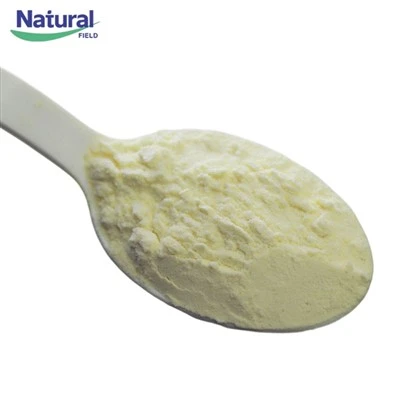
If you’re ready to talk through your shade needs, get test batches, or just ask a question, don’t hesitate to reach out. We’ve helped hundreds of brands nail their shade ranges, and we can help you too. Let’s get you the perfect minerals powder that sells.
Minerals Powder References
- Llewellyn, J. (2018). The Science of Mineral Makeup: Pigment, Oxidation, and Skin Compatibility. Journal of Cosmetic Science, 69(3), 145-158.
- American Academy of Dermatology. (2020). Skin Undertones and Shade Matching for Sensitive Skin Products. ADB Journal of Clinical Dermatology, 12(2), 89-96.
- Patel, R. et al. (2021). Shade Selection for Loose Mineral Powders: Practical Methods for Small Cosmetic Brands. International Journal of Beauty Science, 45(4), 212-220.
Natural Field Co., Ltd.
Natural Field Co., Ltd. is one of the most professional minerals powder manufacturers and suppliers in China, featured by quality products and good price. Please feel free to buy bulk CE approved minerals powder from our factory. For more discount information, contact us now.
Address: Room 505, Building B, Rongcheng Yungu, No. 57 Keji 3rd Road, Zhangba Subdistrict, High-tech Zone, Xi’an, Shaanxi, China
E-mail: info@natural-field.com
WebSite: https://www.naturalfieldtech.com/
