If you’ve ever stood on a construction job site—watching a backhoe lift a 10,000-pound concrete slab, a bulldozer push 20 tons of dirt in a single pass, or a crane lower a steel beam into place 100 feet up—you might not stop to think about what makes all that power possible. The rumble of the engine, the creak of metal, the hiss of hydraulics; that hiss isn’t just noise—it’s your hydraulic pump doing the heavy lifting (literally). As a hydraulic pump supplier who’s spent 12 years on job sites and in repair shops, I’ve seen first-hand how many construction teams take this humble component for granted… until it fails. Let’s break down exactly what a hydraulic pump does, why it’s non-negotiable for every piece of heavy equipment, and why choosing the right pump can make or break your project’s timeline. Hydraulic Pump
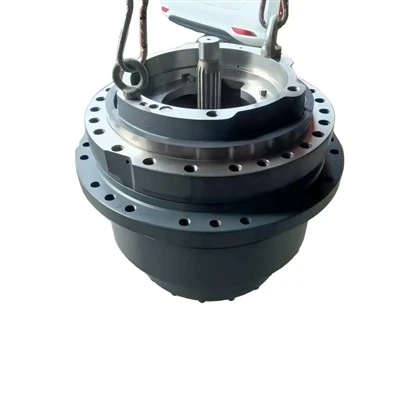
First, let’s start with the basics: what even is a hydraulic pump, and how does it fit into a construction machine’s system? Most people know hydraulics use fluid to transfer force, but that force doesn’t create itself. A hydraulic pump is the heart of a closed hydraulic circuit, which is the backbone of every construction machine’s moving parts. Unlike an engine, which converts fuel to mechanical power (turning a crankshaft), a hydraulic pump converts that mechanical power into hydraulic power—aka pressurized fluid. That pressurized fluid is what gets routed through hoses, valves, and actuators (think: cylinders or motors) to move your machine’s arms, buckets, tracks, and attachments.
Take a 30-ton excavator, for example. Its engine produces around 200 horsepower, most of which doesn’t go directly to moving the arm or bucket. Instead, it turns the hydraulic pump’s input shaft. The pump’s internal components (whether gear, vane, or piston-style—we’ll get to that later) then pull hydraulic fluid from the machine’s reservoir, trap that fluid in small chambers, and push it out at pressures that can top 3,000 PSI. That pressure is what lets the excavator’s arm lift 15 feet into the air, tilt 90 degrees, and drop a 2,000-pound bucket of gravel without straining the engine. Without the pump, all that engine power is just sitting idle—you’d have a fancy paperweight that can’t do anything.
Now, let’s talk about why construction-specific hydraulic pumps are different from the ones in a factory press or a farm tractor. Construction job sites are brutal: you’re working in temperatures that swing from 20°F in the dead of winter to 100°F in summer, covered in dust, mud, and construction debris that can clog filters, and operating machines 10+ hours a day, 6 days a week. A farm tractor might only run during planting and harvesting, but a bulldozer could run non-stop for 12 hours straight digging a foundation for a new warehouse. That means construction hydraulic pumps need two key traits: high durability and precise power delivery.
Let’s dive into the main pump types used in construction, because choosing the right one is where a lot of teams mess up. First, gear pumps: these are the workhorses, cheap, simple, and reliable for low-to-medium pressure applications. You’ll find them on smaller backhoes, compact skid-steers, and auxiliary systems like angle adjustments for blades. They’re made of two interlocking gears that trap fluid between their teeth, push it around the pump, and discharge it at pressure. The downside? They max out around 2,500 PSI, so they’re not for heavy-duty lifting. That’s where vane and piston pumps come in. Vane pumps use flat, slotted vanes that move in and out to trap fluid, and they hit up to 3,000 PSI—great for medium-sized excavators and forklifts. Piston pumps are the heavy hitters: they use cylindrical pistons that move back and forth in a barrel to create pressure, pushing up to 5,000 PSI. You’ll find these on large mining excavators, cranes, and bulldozers, where precision and consistent power matter most.
What makes piston pumps extra important for construction is their variable displacement capability. Unlike fixed-displacement pumps (gear and most vane pumps) that push the same amount of fluid no matter what, variable displacement pumps adjust how much fluid they output based on what the machine is doing. If you’re digging a shallow trench, the pump sends less fluid, saving fuel and reducing wear on the system. If you’re lifting a 10,000-pound beam, it ramps up the pressure and fluid flow instantly. That efficiency cut’s fuel costs by up to 15% for most machines, according to the construction equipment industry, which adds up fast when you’re running a fleet of 10 machines for a month.
I can’t tell you how many times I’ve been on a job site at 6 a.m. when a contractor calls me panicking: “My excavator won’t lift the arm—burnt up the pump last night.” Most of the time, that failure isn’t random. It’s from using a mismatched pump, or running it hard without regular maintenance. Let’s talk about common pump failures and how they relate to construction’s unique demands. The number one cause of hydraulic pump failure in construction is contamination. Job sites are dusty, and if your pump’s inlet filter isn’t changed every 250 hours (we recommend every 200), dirt, metal shavings, and concrete dust get into the fluid. Those particles act like sandpaper, wearing down the pump’s gears, vanes, or pistons. I saw one job last year where a contractor ran a skid-steer for 6 months without changing the filter—small metal shavings wore a groove into the pump’s drive shaft, and by the time they noticed, they had to replace the whole pump and the hydraulic system’s hoses and cylinders, costing $8,000 on a $15,000 job. That’s a huge avoidable cost.
Another common failure is overheating. Construction machines run in hot weather, and if the pump’s cooling system is clogged with mud, the fluid gets too thick. Thick fluid makes the pump work harder, increasing wear and pressure. I always tell contractors: check the pump’s cooling fins every week, especially in summer. It takes 10 minutes, and it can save you a full day of downtime.
Now, since I’m a hydraulic pump supplier, let me be clear: not all pumps are created equal. You can buy a cheap off-brand pump for a compact excavator, and it’ll work for a few months, but it won’t hold up to 10 hours a day of digging in rocky soil. The best construction pumps are made with high-grade cast iron housings, precision-machined internal parts, and a seal system that resists leaks from mud and vibration. We test every pump we sell at our warehouse before it leaves, running it at full pressure for 8 hours to check for leaks and noise—because a pump that’s noisy is a pump that’s wearing out early.
What’s also unique about our pumps is that we tailor them to the specific machine. A 5-ton mini excavator has different hydraulic needs than a 50-ton mining excavator, and a lot of suppliers just send a one-size-fits-all pump. We work with contractors to match the pump’s flow rate and pressure to their machine’s engine size, so they get maximum efficiency without wasting power. For example, a bulldozer used for road grading needs a pump that delivers consistent low-pressure flow for the blade, while a crane needs a pump that can spike to high pressure quickly to lift heavy loads.
Let’s talk about a real example that illustrates why pump selection matters. Last year, a general contractor in Texas was working on a 10-story apartment complex, using a 20-ton excavator to dig footings. They were using a generic gear pump that their original dealer had recommended, but it kept overheating and failing every 3 months, costing them $4,000 each time in pump replacement and downtime. They called me, and we swapped their gear pump for a medium-duty vane pump rated for 3,200 PSI, plus a high-capacity inlet filter designed for dusty job sites. That pump lasted the rest of the project—9 months of non-stop use—without a single failure. They saved $12,000 in replacement costs, plus they finished the project 5 days early because they didn’t have to wait for pump replacements. That’s the value of choosing the right pump, not the cheapest one.
Another thing to consider is pump maintenance, which is just as important as the pump itself. Construction teams often prioritize engine maintenance over hydraulic pumps, but the pump is a precision component that needs regular checks. We recommend having a certified technician inspect the pump every 500 hours, to check for leaky seals, unusual noise, and pressure drops. If you notice the pump is making a whining noise, that’s a sign it’s already wearing out—don’t wait until it fails mid-job.
Now, let’s wrap this up for anyone who’s managing a construction fleet, operating heavy equipment, or in the market for a new hydraulic pump. The hydraulic pump isn’t just a part—it’s the component that turns your engine’s power into the action that gets the job done. It’s what lets you meet project deadlines, stay under budget, and keep your team safe (a failed pump mid-lift can cause a dangerous accident, so reliability is non-negotiable).

If you’re dealing with frequent pump failures, looking to upgrade for better fuel efficiency, or need a pump that’s tailored to your specific machine, we’re here to help. We’ve been working with construction teams for years, so we understand the unique demands of job sites, and we can help you find the right pump for your equipment, plus offer maintenance tips to extend its life. Don’t let a bad pump derail your next project—reach out to us to discuss your hydraulic pump needs today.
Engine Consumables References
Hydraulic Industry Association. (2022). Construction Hydraulic System Durability Standards.
National Institute for Occupational Safety and Health. (2021). Heavy Equipment Maintenance and Downtime Costs in Construction.
Construction Equipment Association. (2023). Variable Displacement Hydraulic Pump Efficiency for Heavy Machinery.
Yantai Dayun Machinery Parts Co., Ltd.
As one of the most professional hydraulic pump suppliers in China, we are committed to providing high quality products with low price. Please feel free to buy discount hydraulic pump in stock here from our factory. Contact us for quotation and free sample.
Address: NO91, Zhenzhong Street, Fushan District, Yantai City
E-mail: dayunhyd5123@163.com
WebSite: https://www.dayunexcavator.com/
