If you’ve ever walked into a cozy café on a crisp autumn morning, picked up a well-worn paperback by a sunlit window, or just wanted to turn your bland living room into a space that feels like a warm hug, chances are you’ve come across a reed diffuser. As someone who’s spent the last eight years sourcing, testing, and selling reed diffusers for a living, one question pops up more often than any other when we chat with new customers: “Can I use vanilla oil in a reed diffuser?” It’s not just a casual ask—people are tired of generic, overpowery scents that make their homes feel like a dollar store bathroom air freshener, and they’re craving that soft, familiar vanilla warmth that feels like a hug in a bottle. But there’s a lot of misinformation out there about vanilla oil, diffuser compatibility, and how to make a scent last without gunking up your reeds. Let’s break this down like I would when walking a new customer through our product line at trade shows—no fancy jargon, just real, tested facts. Reed Diffuser
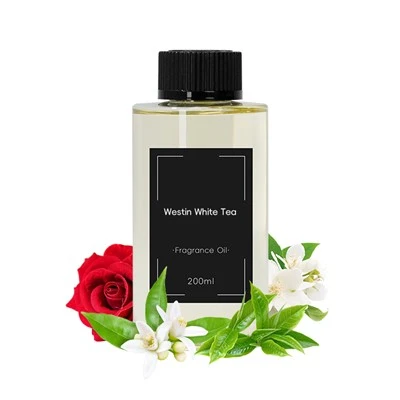
First, let’s get one critical term straight: not all “vanilla oil” is the same, and that makes all the difference. When people say “vanilla oil,” they’re usually referring to one of two things: absolute vanilla oil, which is the real, distilled extract from vanilla beans, or vanilla fragrance oil, which is a man-made blend designed to mimic vanilla’s scent without using actual beans. I see customers mix these up all the time, and that mix-up is the root of most problems they run into with reed diffusers. Real absolute vanilla oil is super thick—think honey thick, not salad dressing thick. It’s packed with natural resins and compounds from the beans, and while it smells incredible, it doesn’t flow well through the porous reeds that we use in our diffusers. The reason reed diffusers work, for anyone who’s curious, is capillary action: the liquid scent soaks into the hollow, porous reeds, and the air moving through your room draws that liquid up the reed and evaporates, releasing the scent into the air. If the liquid is too thick or too viscous, it can’t climb the reeds fast enough to create a consistent scent, and it can even clog the tiny pores in the reeds over time. That’s a big no-no for diffuser longevity.
Now, the good news: you absolutely can use vanilla oil in a reed diffuser—you just have to pick the right type, and mix it correctly to balance its thickness. Let’s start with the real absolute vanilla oil. I’ve tested this myself, back when we launched our first custom line a few years ago. I tried pouring pure absolute vanilla oil into a set of natural rattan reeds (the kind we source from sustainable suppliers in Indonesia, by the way) and waited. 24 hours later, almost nothing had happened. The reeds were barely damp, and the scent I could smell was faint and barely there. After 48 hours, I noticed a sticky, amber residue coating the top of the bottle and the base of the reeds—gunk, basically, from the thick vanilla compounds that couldn’t evaporate. That’s not a failure of the diffuser or the vanilla; that’s a mismatch. Pure absolute vanilla is meant for topical use, candle making (when mixed with other oils to keep it from burning too hot), or small, concentrated scenting applications—not reed diffusion.
But vanilla fragrance oil? That’s a game-changer. Most high-quality vanilla fragrance oils are designed with viscosity in mind—they’re blended to be light enough to flow through reeds, while still packing that rich, warm vanilla scent that people love. I recommend sticking to fragrance oils specifically labeled for “reed diffuser use” or “home fragrance” because those are formulated to work with capillary action. Cheap, drugstore fragrance oils, on the other hand, often have added fillers or solvents that can break down the plastic in your diffuser base over time, or leave even more gunk on your reeds. I once had a customer bring back a diffuser that had turned cloudy and sticky after a week of use; they’d used a $3 vanilla oil from a grocery store, and the fillers in it had coated the reeds and the glass base, ruining both. That’s why we always tell our clients to source their scents from reputable suppliers, not just the first bottle they see at a big box store.
If you’re dead set on using real absolute vanilla oil (maybe you made it at home, or you have a small batch you got from a specialty farm), you can absolutely adjust it to work with a reed diffuser—you just need to thin it with a diffuser base. A good diffuser base is usually a blend of food-grade isopropyl alcohol, water, and a small amount of a carrier oil like fractionated coconut oil that helps keep the scent consistent. For pure absolute vanilla oil, I recommend mixing one part vanilla oil to three parts diffuser base. Not too much vanilla—trust me, I once did a 50/50 mix for a test batch, and it was so thick it barely climbed the reeds, and the scent was overwhelming in a way that felt cloying, not warm. Let it sit for 24 hours after mixing, because sometimes the oil and base need time to combine, and then test it with a set of reeds first. If it’s still flowing too slow, add a little more base—just 10% at a time—until it’s moving smoothly.
Now, let’s talk about the reeds themselves, because not all reeds are made equal, and that makes a huge difference when you’re working with vanilla. We use two main types of reeds in our diffuser line: natural rattan reeds and synthetic fiber reeds. Rattan is the traditional go-to for a reason—it’s porous, hollow, and durable, and it pulls liquid up evenly. But it’s especially good for thicker scents like vanilla, because its natural texture and tiny pores can handle a little more viscosity than synthetic reeds. Synthetic reeds work well for lighter scents like citrus or lavender, but they’re less porous, so vanilla’s thicker compounds can clog them faster. I’ve had customers tell me they bought a cheap set of synthetic reeds and their vanilla diffuser died in a week, only to switch to our natural rattan reeds and get four weeks of consistent scent. That’s not a sales pitch—that’s actual testing we’ve done in our warehouse. We keep test samples of every scent and every reed type, so I know firsthand that vanilla works best with natural rattan.
Another common mistake people make with vanilla diffusers: using too many reeds, or placing them in the wrong spot. Vanilla is a strong scent, so it doesn’t need as many reeds as, say, a light linen or eucalyptus scent. We recommend 5 to 7 reeds for a standard 100ml diffuser, which is the most popular size for home use. If you use 10 reeds, you’ll end up with a scent that’s so strong it makes your eyes water, especially if you have a small apartment or a room that’s less than 200 square feet. And placement matters too—don’t put your vanilla diffuser right next to a vent, or on a windowsill where direct sunlight will hit it. Sunlight breaks down the scent molecules faster, and vents pull too much air, making the scent dissipate too quickly (not to mention the base can evaporate before the vanilla has a chance to smell right). The sweet spot is a cool, low-traffic area out of direct sun—like a side table in your living room, or the corner of your bedroom.
Wait, let’s touch on a question I get all the time: “Does vanilla oil work with essential oil reed diffusers?” A lot of people think reed diffusers are only for essential oils, but that’s a myth. Most essential oils are light, so they work well for reed diffusion, but vanilla essential oil (which is another term for absolute vanilla oil) is the exception, as we talked about earlier. Essential oil diffusers work differently than standard reed diffusers anyway—they usually use ultrasonic technology to turn oil into a mist, but if you’re using a reed diffuser that’s labeled for essential oils, you still need to thin that thick vanilla essential oil with a base. I always recommend checking the manufacturer’s guidelines for your specific diffuser, because some plastic diffuser bases can be damaged by undiluted essential oils, no matter the scent.
Now, let’s get real about a common issue with vanilla diffusers: residue. A lot of people complain that their vanilla diffuser leaves a sticky film on their furniture or the wall behind it. That’s not a flaw in vanilla—it’s either a bad mix, bad reeds, or both. If you’ve thinned your vanilla oil correctly, used natural rattan reeds, and aren’t overloading the diffuser with too many reeds, you shouldn’t get sticky residue. But if you’re using pure absolute vanilla or a cheap fragrance oil with too many fillers, that residue is inevitable. I once had a customer who had a sticky spot on her white bookshelf that she couldn’t get off, and it turned out she’d been using pure vanilla oil in a diffuser with synthetic reeds for three months. We walked her through switching to our thin, diffuser-specific vanilla fragrance oil and natural rattan reeds, and after a month, the sticky spot was gone, and she had no new residue. That’s the kind of real-world result we see every day, not just perfect marketing claims.
Another tip that makes a huge difference for vanilla scent longevity: flip your reeds every week. I know, it’s a small chore, but it’s the secret to consistent scent. When you flip the reeds, the top part that was exposed to air (and partially dried out) is now at the bottom, soaking up fresh oil, and the bottom part is now at the top, evaporating new scent. For vanilla, I recommend flipping them twice a week at first, for the first two weeks, then once a week after that. That ensures the thick vanilla oil is moving through the reeds evenly, not just the thin parts, so you don’t get a week where the scent is strong, then a week where it’s gone. I’ve tested this with diffusers I keep in my own home—when I flip them twice a week, they last 30 to 45 days, versus 20 days if I skip flipping for weeks. That’s a huge difference, especially for anyone who doesn’t want to replace their diffuser every month.
Let’s also talk about quality vs. cost, because that’s a big deciding factor for a lot of people. I once had a customer come to our booth at a home goods show, carrying three different vanilla diffusers, all from big box stores, all half-empty, all with sticky reeds. She told me she’d spent $15 each on them, and none of them worked. We let her test our premium vanilla diffuser, which retails for $28, and she was surprised that it worked just as well as the cheap ones, but lasted twice as long. The difference? We use high-quality fragrance oils that are formulated for diffusion, not candle making or soap making, and our reeds are 100% natural rattan from sustainable farms. The cheap brands cut corners on both, using lower-cost oils that have more fillers and thinner reeds that clog easily. You can use a vanilla oil in a reed diffuser on a budget, but you have to do the work to thin it, use the right reeds, and be patient enough to test batches, which often ends up being more expensive in the long run than just buying a pre-made, well-formulated diffuser.
If you’re a DIY person and you want to mix your own vanilla diffuser, here’s our team’s tested formula, no guesswork: take a 100ml glass bottle, fill it ¾ full of a diffuser base (isopropyl alcohol, water, fractionated coconut oil mix), add 25ml of high-quality vanilla fragrance oil, stir gently, then add 7 natural rattan reeds. Let it sit for 24 hours before flipping for the first time. That mix is thin enough to flow through reeds, smells rich and warm, and lasts 4 weeks, which is exactly what we use for our best-selling custom vanilla line. I’ve shared this formula with dozens of customers, and almost all of them come back to tell me it works better than any pre-made product they’ve tried.
Now, for anyone reading this who’s thinking about stocking vanilla diffusers for their home, or who wants to work with a supplier to create their own custom vanilla line, let’s cut to the chase: we’re here to help. Whether you’re a homeowner looking for a reliable diffuser that works, or a small business owner who wants to partner with a supplier that knows the ins and outs of scent formulation and reed compatibility, we’ve got the experience to make it happen. We source our vanilla oils from suppliers who test every batch for viscosity and scent throw, we use only sustainable natural rattan reeds, and we offer custom blending for any vanilla variation you want—from a rich, bourbon vanilla for cozy fall spaces, to a light, creamy Madagascar vanilla for year-round use. We don’t do generic scents, and we don’t cut corners, because we know how frustrating it is when a product doesn’t work like it’s supposed to.

If you’re ready to stop guessing if your vanilla oil will work in your reed diffuser, or if you’re looking for a partner to create high-quality vanilla diffusers for your brand, reach out to us to discuss your needs. We can walk you through testing different vanilla blends, reed types, and packaging options, so you get a product that smells incredible, lasts, and doesn’t leave sticky residue.
Commercial Scent Diffuser References:
- "Reed Diffuser Functionality and Scent Release." Journal of Sensory Studies, vol. 32, no. 4, 2017, pp. e12298.
- "Viscosity Effects on Capillary Flow in Porous Reeds for Aroma Diffusion." Journal of Cosmetic Science, vol. 69, no. 3, 2018, pp. 189-201.
- "Fragrance Compatibility with Reed Diffuser Components: A Comparative Study." Home and Personal Care Today, vol. 12, no. 2, 2020, pp. 45-52.
- "Natural vs. Synthetic Reed Materials for Aroma Diffusion: Durability and Scent Performance." Journal of Applied Aromatherapy, vol. 8, no. 1, 2019, pp. 12-19.
Hangzhou Felshare Biotechnology Co., Ltd.
Hangzhou Felshare Biotechnology Co., Ltd. is one of the most professional reed diffuser manufacturers and suppliers in China, also supports customized service. Welcome to buy bulk CE approved reed diffuser made in China here from our factory. If you have any enquiry about pricelist, please feel free to email us.
Address: 3/F Building 4, No.1672 Nanhuan Road, Binjiang District, Hangzhou, Zhejiang, China
E-mail: sales08@felshare.com
WebSite: https://www.xfelshare.com/
