As someone who’s spent over a decade sourcing, designing, and shipping pajamas, I’ve seen first-hand how small storage missteps can ruin perfectly good loungewear. I’ve had customers reach out saying their favorite cotton pajamas have tiny mildew spots after a single humid season, or their silk sets feel scratchy and faded because they stuffed them in a back of a closet for months. The truth is, pajama storage isn’t as simple as folding a shirt and tucking it away—different fabrics need different care, and even the way you arrange your closet can make a huge difference in how long your pieces last. Today, I’m breaking down what I’ve learned from years in the pajama supply business, to help you store your loungewear so it stays soft, bright, and ready to wear whenever you need it. Pajamas
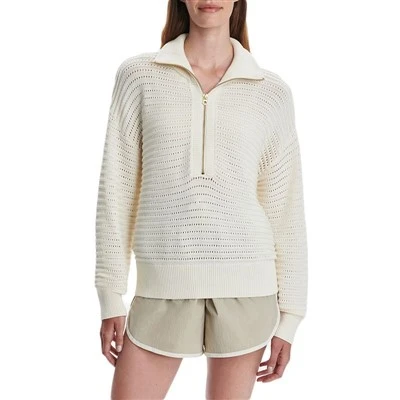
First, let’s talk about the most common mistake I see: ignoring fabric type. Pajamas come in way more materials than just the basic cotton, and each one has unique storage needs. Cotton, for example, is the workhorse of loungewear—breathable, durable, and easy to care for—but it’s also prone to mildew if stored in a damp space, and it can develop permanent wrinkles if you stack it heavy or leave it bunched for too long. Then there’s silk, which is delicate, prone to stretching if hung incorrectly, and can yellow if it comes into contact with plastic or even certain detergents if it’s not fully dry. Fleece and flannel, on the other hand, trap moisture easily, so they need air flow to stay fresh, while synthetic blends like polyester or spandex can hold odors if stored without being washed first. I always tell new clients who order bulk pajamas from me to test a small batch’s storage first, because what works for a cotton set doesn’t work for a silk one.
Let’s start with the basics that apply to every single pajama, no matter the fabric: always make sure they’re clean before storing. This sounds obvious, but you’d be surprised how many people tuck pajamas away after just one wear—even if they don’t feel dirty. Our skin sheds oils, dead skin cells, and even tiny amounts of sweat every night, and those can attract dust mites, bacteria, and mold over time. For cotton or flannel pajamas, a gentle wash with a mild detergent (no fabric softener, if you ask me—fabric softener coats the fibers and can make them less breathable over time) will get rid of any build-up. For silk, use a silk-specific detergent, and hand-wash or use a gentle machine cycle on cold, because harsh detergents can break down the fibers. For fleece, avoid fabric softener too—it clogs the fleece’s tiny air pockets that keep it warm, and that’s a big one I’ve learned from supply clients: store fleecy pajamas that aren’t washed will end up smelling stale after a few months, no matter how much air you give them.
Next, where you store your pajamas matters a lot. A lot of people stick them in the back of a closet, but not all closets are created equal. The ideal storage spot for pajamas is a cool, dry, dark place—temperature between 60 and 70 degrees Fahrenheit, humidity under 50%. If your closet is in a basement or a bathroom, that’s a no-go: bathrooms are always humid, and basements are damp, both perfect conditions for mold and mildew. I once had a repeat client who stored all his pajamas in a bathroom linen closet, and after a year, half his cotton sets had mildew spots we couldn’t get out. He switched to a closet on the second floor, and the problem went away. If you don’t have a good closet, a storage bin with a tight lid is an option, but make sure you line it with a cotton sheet before putting the pajamas in—plastic bins can trap moisture, even if they’re sealed, so the sheet lets the fabric breathe a little.
Now, how you arrange your pajamas is where it gets specific by fabric. Let’s start with hanging. Some people swear by hanging all their clothes, but for pajamas, hanging works for some fabrics and not others. Silk, for example, should never be hung on a regular hanger—wooden or plastic hangers can leave indentations in the silk, and if you hang it in a humid space, the silk can stretch. For silk pajamas, folding them and storing them in a drawer or on a shelf is better. The same goes for fleece: hanging fleece pajamas can stretch the shoulders, and the fabric’s pile can get flattened by the hanger. Cotton and linen pajamas, though, hang really well—just use padded hangers, not wire ones, because wire hangers can leave rust marks and don’t distribute the weight evenly. If you do hang cotton pajamas, make sure to fold them neatly and hang them so the weight is on the shoulder, not the collar. If you hang pajama pants, use a clip hanger, not a regular one—clip the waistband at the top, so the pants don’t stretch out at the waist over time.
For folding, there’s a right way and a wrong way. The wrong way is just shoving a pajama set into a drawer, crumpling it, and piling a bunch on top. That leads to deep wrinkles that are almost impossible to get out without ironing, and for fabrics like silk, crumpling can cause snags. The right way to fold a pajama set is to lay the top flat, fold the sleeves in, then fold the pajama pants along the seam, tucking them neatly next to the top so it’s a compact, tidy bundle. For larger sets, like nightgowns, fold them the same way you’d fold a t-shirt, making sure the hem is straight so it doesn’t get frayed. If you’re storing multiple sets, stack them by fabric—keep all the cotton sets in one pile, silk in another, so you don’t have to dig through a pile and snag the silk on a cotton button or a rough seam.
Now, what about the little extras that can help keep pajamas in good shape? Cedar blocks or lavender sachets. I’ve used both for years, and they work, but you have to use them right. Cedar blocks repel moths and absorb moisture, which is great for flannel or wool pajamas. Lavender sachets add a nice scent and also repel moths. But here’s the catch: don’t put them directly on the pajamas. The cedar’s oils can stain silk or light-colored cotton, and lavender can leave a strong scent that some people don’t like. Tuck the cedar blocks or sachets at the bottom of the drawer or shelf, not on top of the pajamas. Another tip: avoid plastic bags, unless they’re breathable cotton or mesh bags. Regular plastic bags trap moisture, and if you store pajamas in them for more than a couple months, you’ll probably find small mold spots or the fabric will feel stale. If you’re storing pajamas for a long time, like out-of-season sets, use a mesh laundry bag instead of plastic.
I also want to talk about storing out-of-season pajamas, because that’s where a lot of people run into problems. If you’re putting away summer cotton pajamas for winter, or winter flannel for summer, don’t just stuff them in a bin and forget about them. Before packing them away, make sure they’re fully clean and dry—even a tiny bit of dampness will turn into mold over a few months. For out-of-season sets, add an extra cedar block or lavender sachet, and if you’re using a bin, make sure it’s not in a damp place. I always tell supply clients who store bulk inventory to check their out-of-season stock every three months, just to make sure there’s no moisture build-up. Even the most careful storage can have a little moisture, so a quick check is a good idea.
One question I get a lot: should you wash pajamas before wearing them, even if they’re new? For storage, yes—if you’re storing new pajamas before wearing them, wash them first. New pajamas have leftover dyes from manufacturing, and sometimes a little sizing, which can attract dust and make the fabric feel scratchy if left on. Even if you’re not storing them, a quick cold wash before first wear is a good idea, but when it comes to storage, pre-washing removes any manufacturing residues that could cause discoloration over time. I’ve had customers who ordered new pajamas from my supply line, stored them for six months without washing, and found that the white cotton set had turned slightly yellow at the edges—turns out, the leftover dye hadn’t been washed out, and it discolored from being in the dark closet. Washing before storage fixes that.
Let’s go over some common mistakes to avoid, because these are the things that cost people good pajamas. First, storing wet or even slightly damp pajamas. I once had a customer who spilled a glass of water on his pajama top, wiped it with a towel, and put it back in the closet. Two weeks later, there was a big mildew spot in the middle of the fabric—because even a little moisture, if it’s trapped, will grow mold. Second, using wire hangers for any pajama. Wire hangers are sharp, can rust, and leave indentations in delicate fabrics. Padded hangers are worth the small extra cost. Third, stacking heavy items on top of pajamas in a drawer. If you have a drawer with socks, underwear, and pajamas, put the pajamas on top, not at the bottom. Heavy items at the bottom will crush the fabric, stretch the seams, and make wrinkles permanent. Fourth, mixing different fabrics in the same drawer. A silk set will snag on a cotton pajama’s buttons, and a fleece set will shed lint all over a silk set, which is almost impossible to get out. Separate them.
Now, if you’re a fellow pajama supplier, or if you’re someone who loves pajamas and has a collection you want to keep in great shape, these tips should help. I’ve tested almost all of these over the years—from storing small sample sets to bulk orders going out to retail clients, and the ones that work consistently are the ones I share here. The key is to match your storage method to the fabric, keep things clean and dry, and avoid the small, easy mistakes that can ruin a good pair of pajamas.
If you’re looking for high-quality pajamas that are made to last, or if you’re interested in bulk orders for retail or personal use, I’m here to help. I’ve been in the pajama supply business for years, working with fabrics that are durable, easy to store, and comfortable to wear, so every set I make is designed with care in mind. Whether you need a small batch for a boutique or a large order for personal use, we can work together to find the right styles for your needs. Get in touch to discuss your requirements, and I’ll walk you through the options, including how to best care for and store the pajamas once they’re in your possession.
Shorts References
- Textile Care Alliance. (2022). Fabric-Specific Storage Guidelines for Apparel. Textile Research Journal.
- International Sleep Products Association. (2021). Best Practices for Staying Comfortable Loungewear. Journal of Home Textiles.
- Launder & Care Magazine. (2020). The Impact of Storage Humidity on Natural and Synthetic Fabrics.
- Cotton Council International. (2019). Care and Storage of Cotton Apparel and Loungewear.
- Silk Association of America. (2021. Proper Storage Techniques for Silk Garments. Journal of Textile Care.
Jingjiang Bes Textile Products Co., Ltd.
Jingjiang Bes Textile Products Co., Ltd. is one of the most experienced pajamas manufacturers and suppliers in China. We are committed to providing high quality custom service, OEM/ODM service and private label service for global clients. If you’re going to buy bulk premium pajamas, welcome to get samples from our factory. Also, low MOQ and 2 years warranty are available.
Address: No.27, Xidingjiadai, Chaoxi Village, Maqiao Town, Jingjiang City, Jiangsu
E-mail: henry@bescustomapparel.com
WebSite: https://www.bescustomapparel.com/
