Hey everyone, I’m Jake from that CNC shop you’ve probably seen popping up in local manufacturing circles lately. If you’ve ever dabbled in getting parts machined, you might’ve heard folks toss around the term “post-processing” like it’s just a fancy extra step to charge more for. But let me tell you, if you skip this part? You’re basically building a house without painting the walls—sure, the structure works, but it’s missing everything that makes it usable, polished, or even up to the specs you paid for. Today we’re breaking down what post-processing in CNC machining actually is, why it matters, and why you should never sleep on it. CNC Machining
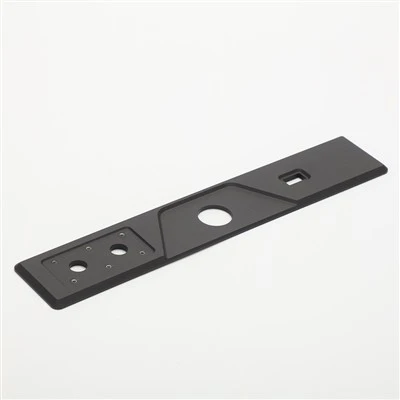
First off, let’s get the basics straight. CNC machining itself is that precision process where a computer cuts raw material—metal, plastic, wood, whatever—into a custom shape, right? It’s all about removing excess material to get that exact part you need for a drone frame, a medical device component, or a automotive bracket. But here’s the thing: when the machine finishes its cut, the part doesn’t just roll off the table ready to install. There’s leftover gunk, sharp edges, tiny surface imperfections, maybe even a weird stress mark from the cutting tool. That’s where post-processing comes in. It’s basically every step that happens after the CNC machine powers down, to turn that rough cut part into something functional, consistent, and up to your quality standards.
I see so many new clients come to us asking, “Can you just send the as-machined part?” And yeah, technically we can—but let’s talk about the problems with that. Take a 3D printed plastic bracket? No, wait, CNC metal part first. Let’s say you need a aluminum bracket for a robotic arm. The CNC cut it to the right length, drilled the holes, machined the mounting tabs. But the edges where the tool bit cut through? They’re sharp as a knife—you run your finger over that and you’ll get a tiny cut, not ideal for a device people handle daily. Or maybe the surface has those faint feed marks, like tiny grooves left by the tool’s movement. If you’re gluing that bracket to a plastic component, those grooves will hold dust, or if you’re running it through a coating, the coating will catch in those marks and look uneven. That’s not just a cosmetic issue—those imperfections can lead to part failure down the line. Like, a bracket with a sharp edge might crack under vibration, or a part with poor surface finish might corrode faster because debris gets trapped.
Now, post-processing isn’t a one-size-fits-all thing. It totally depends on your material, what the part’s for, and how you need it to perform. Let’s run through the most common ones we use at our shop, so you get a real sense of what we’re talking about.
First, deburring. That’s probably the most basic (and most skipped) step. Burrs are those tiny, sharp slivers of material left where the CNC tool cut through—they’re like micro-shards that stick out from holes, edges, or machined surfaces. You can have them on even the most precise parts, trust me. How do we get rid of ’em? We do manual deburring for small, delicate parts—our guys use little files, sandpaper, even specialized rotary tools to pick out every burr without scratching the part. For bigger batches, we use vibratory tumblers—you dump the parts into a big tub with abrasive media (little ceramic balls or sand) and shake it for a few hours. The media rubs against the parts, knocking off burrs and smoothing edges at the same time. We even do barrel finishing for long, thin parts that might get damaged in a tumbler.
Next up, surface finishing. This is where you make a part look and feel way better than “as-machined.” Some clients want a smooth, matte finish, others want it shiny, some need it to be grippy, or corrosion-resistant. Let’s go through the top ones:
- Sanding: Super common for both metal and plastic. We use everything from 220-grit sandpaper for rough smoothing up to 2000-grit for a mirror-like finish. For parts with complex shapes, we use orbital sanders or even robotic sanders to make sure every nook gets uniform sanding—no uneven patches, which would mess up a coating later.
- Polishing: If you want that shiny, stainless steel look, polishing is the way to go. We start with rough compounds to get rid of feed marks, then move to finer ones until the surface is reflective. It’s not just for looks, either—polished surfaces are easier to clean, which is huge for medical parts or food equipment.
- Anodizing: Wait, a lot of people mix up anodizing with surface coating, but it’s a post-processing step specifically for aluminum. It creates a hard, protective oxide layer on the surface, and you can dye it any color. It’s way more durable than just painting, so it’s perfect for outdoor parts or products that get handled a lot.
- Powder coating: This is where we apply a dry powder to a part, then bake it so it melts and forms a thick, even coat. Way more chip-resistant than liquid paint, and we have hundreds of colors to choose from. We do this for everything from automotive parts to industrial equipment housings.
Then there’s heat treatment. If you’re machining metal parts that need to be strong—like steel or titanium—heat treatment is non-negotiable. The CNC machining process can leave the metal stressed, which makes it more likely to crack under pressure. Heat treatment changes the metal’s internal structure to make it harder, stronger, and more stable. For example, annealing is when we heat the metal up slowly then cool it down to reduce stress, which is great before machining soft materials. Quenching is another step where we heat the part really hot then cool it fast (usually in water or oil) to make it super hard—perfect for gears or bolts that need to hold torque. Tempering goes after quenching, to make the metal less brittle so it doesn’t snap. I’ve seen clients skip heat treatment and end up with parts that broke within a week of use—total waste of time and money.
Wait, don’t forget cleaning! After all the machining, tumbling, sanding—parts are covered in metal shavings, oil from the cutting process, dust. If you don’t clean them before the next step, those contaminants will ruin any coating or finishing you do. We use ultrasonic cleaners for small, detailed parts: the tank blasts sound waves through a special cleaning solution that gets into tiny holes and crevices, pulling out every bit of gunk. For bigger parts, we use pressure washers or even vapour degreasing, which is super effective for heavy-duty industrial parts.
And there’s specialty post-processing, too—like electroplating (adding a layer of nickel, chrome, or gold for conductivity or corrosion resistance), laser marking (to add part numbers, logos, or specifications right on the part), or even assembly for simple parts, though that’s more of an extra service for our clients.
Now, why is this stuff so important for a CNC shop like ours? A lot of competitors try to cut corners here to undercut prices. But we’ve been in this game for 10 years, and we know that good post-processing isn’t an add-on—it’s what separates a part that works from a part that’s worth the money. Let me give you a real example: last year, a client came to us with a batch of aluminum brackets for electric bike motors. They’d gotten a quote from a shop that only did CNC machining, no post-processing. The price was 20% lower than ours. They tried it, but within a month, 15% of the brackets cracked right at the mounting holes because of internal stress from machining and the sharp edges wore through the wiring insulation. They reached out to us, and we re-did the parts: first, we did stress relieving heat treatment, then deburred every edge, then clear anodized them to add extra strength. The failure rate dropped to zero, and they’ve been working with us ever since. That’s the difference post-processing makes.
I also want to bust a myth here: post-processing isn’t just for high-end parts. Even simple plastic brackets or small metal screws need it. Let’s say you’re making a custom set of phone stands—sure, the CNC can cut the shape perfectly, but if you don’t deburr the edges, the stand might scratch your phone’s case. If you don’t sand the surface, the stand might feel rough, and if you powder coat it, the finish will look uneven. It’s all about the little details that make a part useful and professional.
Another thing: as a CNC supplier, we work with a ton of different industries, so we tailor post-processing to exactly what the part needs. Medical parts? We use super clean ultrasonic cleaning and medical-grade anodizing, no exceptions. Automotive parts? We do heat treatment and powder coating that can handle road vibration and harsh weather. Aerospace parts? We work with specialized vendors for precision deburring and heat treatment that meets strict FAA standards. We don’t do a one-size-fits-all approach because we know every part’s job is different.
So, if you’re someone who’s looking to get CNC machined parts made, whether it’s a small batch for a side hustle or a big order for a manufacturing line, don’t sleep on post-processing. Yeah, it adds a little time and cost, but it’s way cheaper than re-making parts that failed because you skipped a step. And if you’re shopping around for a CNC shop, ask about their post-processing services. If they say “we just send as-machined parts” or don’t mention it at all? Walk away. That’s a red flag that they’re cutting corners, and you’ll end up paying more in the long run.
At the end of the day, post-processing is what transforms a raw cut material into a finished part that does exactly what you need it to. It’s the bridge between what the CNC machine makes and what you can actually use. I’ve seen so many great parts get ruined because someone thought “it looks good enough” after the CNC cut it. Don’t be that person.
If you’re ready to get a quote for your next CNC project, or you have questions about what post-processing your parts need, hit us up. We’ll walk you through every step, no jargon, no hidden fees, just straight talk about what your parts need to work right.
Medical Device Processing References
- American Society of Mechanical Engineers. (2020). Standards for CNC Machining and Post-Processing. ASME B5.54-2020
- Machining Doctor. (2022). A Practical Guide to CNC Post-Processing Techniques. Machining Doctor Publications
- Industrial Metal Finishing Association. (2021). Best Practices for Deburring and Surface Finishing of CNC Parts. IMFA Guidelines 2021
Zhejiang Hayi Technology Co., Ltd.
With abundant experience, we are one of the most professional CNC machining manufacturers in China. We warmly welcome you to wholesale bulk CNC machining in stock here and get quotation from our factory. All customized products are with high quality and competitive price.
Address: Room 112, 1st Floor, No. 103, Siwangdai, Pingzhai Village, Renhe Subdistrict, Yuhang District, Hangzhou City, Zhejiang Province
E-mail: 18368133797@163.com
WebSite: https://www.zhejianghayi.com/
