If you’ve ever tried shooting a quick street snap, chased a sunset with your camera slung over one shoulder, or jumped to capture a bird mid-flight only to fumble with a heavy backpack, you know a good waist bag for photography isn’t just a trendy accessory—it’s a game-changer. As someone who’s spent years making these bags, I’ve heard every frustrated question from photographers: “Why does this bag dig into my side?” “Where do I put my memory cards without digging through a bunch of stuff?” “How do I make sure my expensive lens doesn’t bounce out while I’m running?” Today, I’m breaking down exactly how to pick the right one for you, from the tiny details that actually matter to the mistakes most new shooters make. Waist Bags
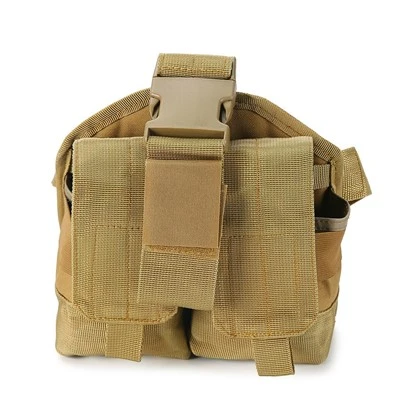
First, let’s cut through the noise: not all waist bags are built the same. The one you used for a festival 5 years ago? It’s not going to work when you’re carrying a mirrorless camera and a 50mm f/1.8 lens. When I design these, I start with who’s using them: a travel photographer hopping between cities, a street shooter navigating crowded markets, a hiker who wants to shoot while trekking—each has different needs. So step one: know your use case. That sounds basic, but it’s the biggest mistake I see. A photographer only shooting backyard sunsets might get away with a small, flimsy bag, but a street shooter who’s darting between cars needs something that stays put and protects their gear.
Size is the next big call. Let’s be real: you don’t need to fit a telephoto lens, a laptop, and a portable charger in your waist bag. Most pro shooters I work with use theirs for their go-to kit: a body, one lens, memory cards, a extra battery, maybe a small filter. If you’re carrying only a mirrorless camera with one lens, a 5L to 8L bag is perfect. It’s not too bulky, and it sits tight against your waist so it doesn’t swing around when you walk. If you occasionally add a second lens or a tiny flash, 8L to 12L is the sweet spot. Anything bigger than 12L starts to feel like a backpack around your waist, and that’s when it stops being convenient—you’ll end up leaving it at home. I’ve seen so many people buy a huge bag “just in case” and then never use it because it’s too heavy and awkward.
Now, the hard part: comfort. If your waist bag hurts to wear after 20 minutes, it’s useless. I’ve tested dozens of designs, and the two things that make or break comfort are padding and adjustability. First, skip the thin neoprene that gets sweaty and digs into your hips. Look for bags with breathable mesh padding on the back and straps—this lets air circulate, so you don’t end up with a sticky, uncomfortable spot after an hour of walking. Second, adjustable waist straps aren’t optional. A one-size-fits-all strap might work for a festival, but if you’re a small person, a loose strap will slide down. If you’re a larger person, a strap that’s too short will dig into your ribs. We make our straps extend from 28 inches to 52 inches, so almost anyone can get a snug fit. Pro tip: when you wear it, the bag should sit high on your hips, not low. That keeps the weight off your spine and stops it from swinging when you move.
Gear protection is non-negotiable. Your camera and lenses aren’t cheap, so the bag needs to keep them safe from bumps, rain, and dust. Hard shell panels are a big plus—they’re lightweight but protect your gear from accidental knocks against walls or trees. If you’re shooting in rainy areas, look for bags with a water-resistant exterior, or better yet, a built-in rain cover (no need to carry a separate one that you’ll lose). The interior compartments matter too. Padded dividers are a must—you don’t want your camera banging into a lens while you’re running. We design our dividers to be removable, so you can rearrange the space if you need to carry other small items like a travel notebook or a portable charger. Also, skip bags with flimsy zippers. I’ve had too many clients tell me their zipper broke mid-shoot, leaving their camera exposed. YKK zippers are standard for a reason—they’re smooth, durable, and won’t jam when your hands are shaky.
Accessory space is something most people overlook, but it makes a huge difference. When you’re out shooting, you don’t want to stop every 10 minutes to dig through your main camera bag for a memory card or a lens cloth. Good waist bags have small, organized pockets for these essentials. Look for a front pocket that’s big enough for a few memory cards, a lens cap, and a small cloth. Some even have internal mesh pockets for extra batteries, which saves you from rummaging through the main compartment. A tiny key clip is also a nice touch—you won’t lose your keys in the bottom of the bag mid-shoot. We added a hidden zippered pocket on the back strap of our bags, too, for things like a hotel key or cash that you don’t want to lose.
Weight is another detail that’s easy to miss. A waist bag that’s too heavy will make your back hurt fast, especially if you’re walking for hours. Most good photography waist bags weigh between 1 and 2 pounds, even when they’re empty. If you’re a hiker who’s trekking with your bag, look for lightweight materials like nylon or polyester instead of heavy canvas. Canvas is durable, but it adds extra weight, so it’s only good if you’re sticking to city shooting or short trips. We use 1000D nylon for our bags—it’s tough enough to handle daily use, but light enough that you’ll forget you’re wearing it.
Let’s talk mistakes to avoid. First, buying a bag that’s too big. I mentioned this earlier, but it’s worth repeating: a bag that fits a backpack’s worth of gear is not a waist bag. It will swing around, put too much weight on your waist, and make you regret it. Second, skipping the fit test. Don’t just order a bag online and hope it works. Measure your waist before you buy, and check the strap length. If you can, adjust the strap in the store (or if you’re buying online, double-check the return policy—we have a 30-day return window, so you can test it out). Third, ignoring ventilation. If you’re shooting in a hot climate, a bag with no mesh padding will make your back sweat so much that your shirt will get wet. We get this—one of our most popular bags has mesh padding specifically for warm weather.
Now, a quick note for photographers who are new to waist bags. If you’ve always used a backpack, a waist bag might feel weird at first, but once you get used to it, you’ll never go back. It lets you access your camera in seconds—no unzipping a big backpack while you’re trying to catch a shot. It also frees up your hands, so you can hold a tripod or a coffee while you’re shooting. We’ve had so many customers tell us they stopped missing shots because they could grab their camera right from their waist bag instead of digging through a backpack.
At the end of the day, the best waist bag for photography is the one that fits your gear, your body, and your shooting style. It’s not about buying the most expensive one or the one with the most features—it’s about picking something that works for you. If you’re in the market for a durable, comfortable waist bag built for photographers, we’ve designed ours with all these details in mind. We talk to shooters every single day, so we know what matters: protection, comfort, and easy access to your gear. If you’re a shop owner, photographer, or someone looking to stock these bags for your team, feel free to reach out to us to chat about pricing, bulk orders, and customization options. We’re here to help you find the right bag, no matter what you need.
Duty Gear References
- Outdoor Industry Association. (2022). "Essential Gear for Action and Adventure Photography."
- Camera and Imaging Products Association. (2021). "Portable Gear Storage Solutions for Photographers."
- Journal of Outdoor Recreation. (2020). "Ergonomic Design Considerations for Carry-on Bags."
- Photographic Society of America. (2022). "Gear Protection and Accessibility for Street and Travel Photographers."
- Textile Institute. (2021). "Lightweight, Durable Materials for Active Outdoor Gear."
Quanzhou Jinbei Bags Co., Ltd.
As one of the most professional waist bags manufacturers and suppliers in China, we have world-leading production equipment and strong manufacturing capabilities. Please feel free to buy bulk high quality waist bags for sale here from our factory. Customized orders are welcome.
Address: 302, NO.158-17, EAST DISTRICT, TANDING, HESHI, LUOJIANG , QUANZHOU, FUJIAN, CHINA
E-mail: jinbeibags@126.com
WebSite: https://www.jinbeibags.com/
