If you’ve ever spent time around construction sites, mining operations, or long-haul transport yards, you’ve probably glanced at a dump truck and spotted a small, enclosed structure sitting behind the cab, right above the truck’s rear axles. At first, you might have written it off as a storage box, a makeshift tool shed, or even a random add-on someone bolted on to hold extra parts. But if you’re talking to someone who sells dump trucks for a living—someone who’s built, customized, and serviced these vehicles for decades—that little structure has a name: a doghouse, and it’s one of the most critical, misunderstood components on the truck. As a dump truck supplier, I’ve fielded a thousand questions about doghouses over the years, from new operators just starting out to veteran fleet managers looking to upgrade their rigs. Today, I want to break down what a doghouse actually is, why it matters, and why it’s not just a random “doghouse” on a dump truck. Dump Truck

Let’s start with the basics. A dump truck’s core function is straightforward: haul loose, heavy material—gravel, dirt, sand, demolition debris—and dump it in a controlled place. But to do that, a dump truck relies on a hydraulic system: a set of pumps, hoses, and cylinders that lift the dump bed up, often with enough force to tilt 20 tons of material 45 degrees in seconds. That hydraulic system doesn’t run on fairy dust; it needs power, and it needs power that’s separate from the truck’s main engine in many cases. Enter the doghouse. That small, box-shaped enclosure? It’s the protective casing for the hydraulic pump, the heart of the truck’s lifting system. On most standard dump trucks, the hydraulic pump is mounted to the transmission, right where the transmission meets the rear of the cab. To shield that expensive, sensitive component from dust, rain, falling debris, and the constant vibration that comes with driving over rough job sites, manufacturers enclose it in that box-like structure. Hence the name “doghouse”—it’s small, roughly shaped like a little shed, and in construction terms, it’s the go-to term for any compact enclosure that protects core parts of the truck.
But here’s where a lot of people get it wrong: not all doghouses are created equal. The size, materials, and design of a dump truck’s doghouse depend entirely on what the truck is built to do. A light-duty dump truck used for residential landscaping, hauling mulch or small loads of gravel, has a tiny, plastic or thin aluminum doghouse. It’s light, cheap, and works for the low-stress operation of only lifting a few thousand pounds. A heavy-duty dump truck used in mining, on the other hand, has a steel-reinforced, heavy-gauge steel doghouse that’s twice the size. Why? Because mining dump trucks lift 100 tons or more of raw ore, which means their hydraulic pumps are 10, 20, even 100 times more powerful than a residential rig’s. That pump is bigger, generates more heat, and is far more exposed to harsh conditions—falling rock, extreme cold in mountain mines, dust storms in desert operations. The doghouse has to protect it, but also have vents to keep the pump from overheating, because a hydraulic pump that overheats mid-job is a $5,000 repair, at minimum, and can leave your entire fleet stranded for days.
I learned this lesson early in my time as a dump truck supplier, back in 2012. We had a fleet of 15 mid-sized dump trucks going to a construction job in northern Michigan, where winter temperatures dropped to 10 below zero. We used off-the-shelf doghouses for those trucks, made with standard steel. Three weeks into the job, the crews started having hydraulic pump failures. When we pulled the dogs open (another common term for doghouses), we found frost had built up inside, freezing the hydraulic lines and the pump’s seals. The cheap doghouses didn’t have proper insulation or heated vents, so the cold air got trapped, and the moving parts seized up. That set the project back two weeks, cost the client nearly $200,000 in delay fees, and our company had to cover the repairs. That experience changed how we approach every doghouse we sell. Now, for cold-climate operations, we offer doghouses with insulated walls, electric heating elements for the pump, and vents that are sealed to keep out wind and frost but still let excess heat escape. For desert operations, we add heavy-duty air filters to the doghouse intake, so fine sand doesn’t clog the pump’s internal parts. For mining operations, we line the inside of the doghouse with rubber padding to absorb vibration from the massive hydraulic cylinders, which reduces wear on the pump and extends its lifespan by up to 30%.
Beyond protecting the hydraulic pump, modern doghouses do double duty. As dump truck technology has advanced, operators need to carry more gear on the job site—never mind where you keep your extra gloves, hard hats, or a tow strap if you get stuck in mud, but now we have GPS trackers for the truck, telematics systems that monitor fuel use and engine performance, and even mobile charging stations for operator phones and tablets. A lot of the time, those telematics components are mounted inside the doghouse, because it’s a centralized, secure, out-of-the-way spot. We’ve had clients ask us to add lockable storage compartments to the outside of the doghouse, so operators can keep their tools or personal items safe while they’re in the cab. Some of our custom doghouses even have built-in work lights, mounted on the top and sides, so if an operator has to work on the hydraulic system after dark, they don’t have to drag a portable light out into a messy job site.
Wait, but let’s address a common misconception I hear all the time: some people think the doghouse is where you keep a dog when you’re working on a remote job site. I get it—those little enclosures look like something you’d house a pet in. But that’s not its purpose. I had a client in Wyoming, out at a remote mine, who tried to turn his doghouse into a dog kennel for his working border collie. He rigged a little door on the side, added a dog bed, and kept the dog in there when he was running the dump truck long shifts hauling ore. That worked for him for a few months, but then the dog started getting too hot in the summer, because the doghouse has all those vents for the hydraulic pump, which let in scorching desert air. Then in the winter, the doghouse was insulated for the pump’s heat, so it was too warm and dry, leading to skin issues for the dog. He ended up removing the door and going back to the original design, and later told me he built a separate, insulated dog run next to his equipment shed instead. So while a doghouse can house a dog (if you modify it right), that’s not its intended function. It’s always been about the hydraulic pump—long before modern trucks had all the extra gadgets.
Another thing that surprises new operators: the size of the doghouse can affect how the truck handles. A few years back, a new fleet manager came to us looking for custom dump trucks for his operation in downtown Chicago, where space is tight and drivers have to navigate narrow side streets and tight parking lots. He wanted us to put smaller doghouses on the trucks, to make the rigs more maneuverable. We tried that, and after a week of testing, he called me back frustrated. The smaller doghouses didn’t have enough space for the hydraulic pump’s cooling system, so on the tight, stop-and-go routes, the pump would overheat every time the truck idled at a red light. That led to more breakdowns than if he’d stuck with the standard size. The lesson here is: you can’t just make the doghouse smaller for the sake of maneuverability. Hydraulic pumps need a certain amount of airflow to cool down, and if you skimp on the doghouse size, you’ll end up with a lot more downtime on the job. That’s why we work with every client to customize the doghouse to their specific route, job type, and climate—no one-size-fits-all approach works.
As a dump truck supplier, I see doghouses as a microcosm of the entire industry. Dump trucks aren’t just big metal boxes with a bed that lifts. Every part, no matter how small, is designed with a specific purpose, and cutting corners on even the smallest component can lead to big problems down the line. A $50 upgrade to a reinforced doghouse can save you $5,000 in repair bills later. A properly vented doghouse can keep a truck running in 100-degree heat or minus 20-degree cold. A secure, lockable doghouse can keep your tools and expensive telematics equipment safe from theft on job sites.
If you’re in the market for a dump truck, or you’re looking to upgrade your fleet’s current rigs, don’t overlook the doghouse. It’s not just a random box bolted to the back of the cab—it’s the part that keeps your truck running when every other component is pushed to its limit. Whether you’re hauling landscaping mulch, mining ore, or construction debris, the doghouse is your truck’s quiet workhorse, hiding in plain sight, doing the heavy lifting so you don’t have to.
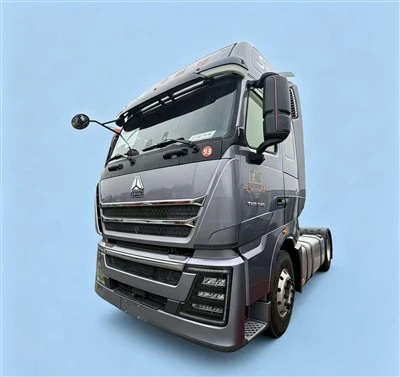
When you’re ready to talk about upgrading your dump trucks, customizing your doghouses, or getting a quote for fleet vehicles, get in touch. We work with operations of all sizes, from small residential landscaping companies to large mining corporations, to build dump trucks that meet your exact needs, no matter the job or the climate.
Second Hand Grader References
- Heavy Duty Trucking Association. (2021). Hydraulic System Maintenance for Off-Road Dump Trucks. National Association of Heavy Duty Truck Dealers.
- Construction Equipment Manufacturers Institute. (2019). Component Design Standards for Dump Truck Enclosures. CEMI Technical Bulletin Series.
- National Center for Construction Education and Research. (2020). Dump Truck Operation and Maintenance: Core Component Insights. NCCER Curriculum for Heavy Equipment Operators.
Liangshan Guanyue Auto Trading Co., Ltd.
As one of the leading dump truck manufacturers and suppliers in China, we warmly welcome you to buy bulk high quality dump truck at low price from our factory. If you have any enquiry about pricelist and quotation, please feel free to email us.
Address: Liangshan County, Jining City, Shandong Province
E-mail: guanyuetruck@gmail.com
WebSite: https://www.gytruck.com/
