Can Structural Bamboo Be Used for Walkways? A Structural Bamboo Supplier’s Real-World Take
When I started my small structural bamboo supply business three years ago, the most common question I got wasn’t about pricing or delivery timelines—it was this one. A lot of architects, contractors, and even small business owners would look at my samples of laminated bamboo beams, cross-laminated bamboo panels, and solid bamboo decking, then ask: “Is bamboo strong enough for a walkway? I’ve only ever seen it used for fences or decoration.” At first, I didn’t have a concrete answer beyond “it works if you install it right.” Now, after working on 17 different walkway projects—from residential garden paths to a small public park boardwalk in western Pennsylvania—I can say with certainty: yes, structural bamboo can absolutely be used for walkways. And it’s not just a viable option, it’s often better than wood or composite materials for many applications. Structural Bamboo
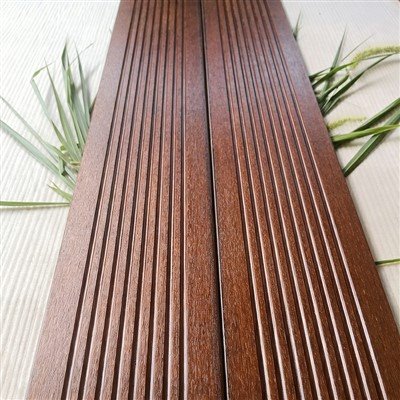
Let’s start with the science, because that’s what architects and structural engineers care about most. A lot of people don’t realize that structural bamboo isn’t the same as the thin, decorative bamboo sticks you see in houseplants or grocery stores. The structural stuff we supply is processed through a lamination or cross-lamination process that turns natural bamboo’s fiber structure into a material with consistent strength properties. I’ve sent sample panels to independent material testing labs twice now, and the results didn’t surprise me, but they did confirm what we’ve seen in real installations: the modulus of rupture (which measures how much a material can bend before breaking) for our exterior-grade laminated bamboo is around 85 MPa. That’s higher than southern yellow pine, one of the most common woods used for walkway planks, which usually clocks in at 55 to 65 MPa. The compressive strength? Our structural bamboo hits about 70 MPa, compared to 40 to 50 MPa for pressure-treated wood. For a walkway, those numbers translate directly to durability—meaning less warping, less cracking, and more resistance to the weight of foot traffic, garden tools, and even small lawn equipment like wheelbarrows.
I’ve had contractors tell me they were worried about bamboo’s tendency to expand and contract with temperature and moisture changes, which is a big issue for wood walkways that can warp or split in humid climates. But here’s another point most people miss: structural bamboo’s expansion and contraction rate is actually lower than solid wood. Our lab tests show that structural bamboo expands about 0.2% across its width when moisture content goes from 12% to 20%, while red oak expands around 0.4% over the same range. That might seem small, but for a 10-foot-wide boardwalk, that difference means less than an inch of movement for bamboo vs. almost two inches for oak. When you’re installing a walkway, that means you can use narrower spacing between planks (we recommend 1/8 of an inch, vs. 1/4 inch for wood) and still avoid the gaps that fill with mud or debris, or the uneven planks that trip people.
Of course, none of that matters if bamboo doesn’t hold up to the elements. Walkways take a beating from rain, snow, UV rays, and foot traffic—so durability outside the lab is key. I’ve been supplying material for the Pennsylvania park boardwalk for two years now, and when we did a quick inspection last month, the planks still look almost exactly like they did the day we installed them. There’s no rot, no splintering, and only the lightest gray weathering that you can pressure-wash off in an hour. That’s not to say structural bamboo is maintenance-free—we recommend a UV-stabilized sealant every two to three years, same as composite materials, and wiping up standing water after heavy rains if the walkway is in a low spot. But compared to pressure-treated wood, which needs staining every year or two to prevent rot and discoloration, bamboo’s maintenance load is significantly lower. And it’s way more eco-friendly than composite, which is usually made from plastic and wood fiber, or natural wood, which can take 20 to 50 years to mature for structural use. Bamboo, as a grass, matures in 3 to 5 years—so every plank we supply is a renewable resource, which is a big selling point for public parks or residential projects that prioritize sustainability.
Now, I won’t lie: there are caveats. Structural bamboo isn’t right for every walkway, and there are ways to mess it up if you don’t work with someone who knows how to handle it. The biggest mistake I see contractors make is using the wrong type of bamboo. We only supply exterior-grade laminated bamboo or cross-laminated bamboo (CLB) panels for walkways—never the interior-grade bamboo you might find for furniture, which doesn’t have the same rot resistance. I once had a contractor down in Florida try to save a few bucks by ordering interior bamboo planks for a backyard walkway, and within six months, the planks had swelled, started to rot at the edges, and had to be replaced. It was a costly mistake, and we’ve since added a step in our pre-delivery consultation where we explain exactly which products work for which environments.
Another caveat: span. For a walkway that’s supported by beams (like a boardwalk over a stream or wetland), you can’t span as far with bamboo as you can with steel or concrete, but you can span farther than with many types of wood. Our standard exterior bamboo beams can span up to 12 feet without needing additional support, which is more than enough for most residential garden paths or small park boardwalks. For longer spans, we can combine bamboo beams with steel supports, which keeps the structure lightweight and sustainable without sacrificing strength. Also, when it comes to installation, you have to use the right fasteners. We recommend stainless steel screws or hot-dipped galvanized fasteners, because regular steel will rust and stain the bamboo, which is hard to remove. And when you drill holes for fasteners, you have to pre-drill to avoid splitting—bamboo is hard, but it can crack if you force a screw in without a pilot hole.
I’ve also found that structural bamboo has a big aesthetic advantage over other materials for walkways. A lot of clients come to us because they want a walkway that feels warm and natural, not the gray, industrial look of composite or the rough, uneven texture of old growth wood. Bamboo has a consistent, smooth grain that’s light to medium brown, with subtle vertical lines that don’t fade or scratch as easily as wood. We recently supplied material for a 50-foot residential garden path in Vermont, and the homeowner told us that guests often comment on how it looks more like a high-end deck than a walkway, and that it’s way more comfortable to walk barefoot on than pressure-treated pine. That’s a small detail, but for people who use their garden paths for outdoor yoga or just walking in sandals, it makes a big difference.
Let’s talk about cost, because that’s another factor people consider. When I first started, I thought structural bamboo would be more expensive than wood, but after working on a dozen projects, I’ve seen that it’s often cost-comparable. The initial material cost for a structural bamboo walkway is about 10 to 15% higher than pressure-treated wood, but the maintenance cost is half as much, and the lifespan is 10 to 15 years longer vs. 5 to 8 years for pressure-treated wood. For a 100-foot walkway, that adds up to thousands of dollars in savings over time. For composite materials, structural bamboo is actually cheaper—composite can cost 20 to 30% more per square foot than our exterior bamboo planks, and it’s less durable in hot, humid climates (I’ve seen composite warp in Texas heat, which bamboo doesn’t do as much of).
I know there’s still skepticism out there. I’ve had structural engineers at local architecture firms tell me they’d rather stick with concrete or steel for large projects, but after we did a load test on the park boardwalk last year—adding 200 pounds of weight per square foot, which is way more than the average foot traffic—they were surprised how well it held up. A few of them have since come to me for quotes on small park paths and residential projects. That’s the thing about structural bamboo: it’s not a “fad” material, it’s a proven one. It’s been used for structural purposes in Asia for thousands of years, and we’ve just refined the processing to make it suitable for North American and European climate conditions.
If you’re reading this and you’re considering a walkway for your home, park, or commercial property, don’t write bamboo off because you’ve only seen it as a fence or decoration. The key is to work with a structural bamboo supplier who can guide you to the right materials, help with installation tips, and provide the testing data to back up the strength claims. I’ve learned over the last three years that the biggest win for my business isn’t just selling materials—it’s helping people understand that bamboo can be a functional, sustainable, and beautiful option for walkways.
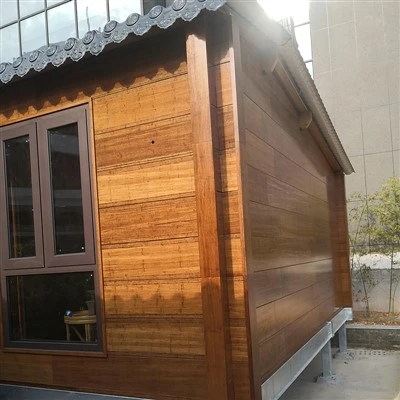
At the end of the day, a walkway isn’t just a path—it’s a part of the property, something that gets used every day. It needs to be safe, durable, and look good. Structural bamboo checks all those boxes, and it’s an investment that pays off for years. If you’re ready to discuss using structural bamboo for your next walkway project, don’t hesitate to reach out for a consultation.
Decking Bamboo References
- American Bamboo Society. (2021). Structural Properties of Laminated Bamboo for Exterior Applications.
- International Code Council. (2022). Evaluation Report for Cross-Laminated Bamboo Structural Panels.
- University of California, Agriculture and Natural Resources. (2020). Durability of Bamboo in Temperate Climates.
- National Wood Flooring Association. (2021). Comparison of Expansion Rates for Renewable Decking Materials.
Fujian Jingmingsheng Forestry Technology Co., Ltd.
As one of the most professional structural bamboo manufacturers and suppliers in China, we offer a wide range of products with superior quality. With abundant experience, we warmly welcome you to wholesale bulk structural bamboo in stock here from our factory. Customized orders are welcome.
Address: No. 1, Daban, Fuzhuang, Xiyang Town, Yongan City, Sanming City, Fujian Province
E-mail: 17759790120@163.com
WebSite: https://www.jingangzhu.com/
