Hey there, it’s Mia from our bronze sculptures team—you know, the folks who’ve been turning raw metal into pieces that tell stories for galleries, offices, and small towns for over a decade. Last week, I was sitting at my desk packing a crate for a custom run of bronze dog statues destined for a city park, when a local landscape artist popped in with a question that’s been bouncing around my head ever since: “Wait, you make these beautiful bronze sculptures—are they actually meant to sit outside? I always thought bronze was more for stuff you keep under glass.” Bronze Sculptures
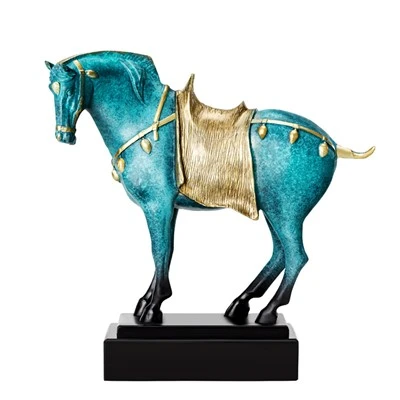
I get it. When most people picture a bronze sculpture, they think of museum exhibits, antique mantels, or small tabletop pieces that never see daylight or rain. But here’s the thing I’ve learned after working with bronze every single day: bronze is one of the most durable materials for outdoor sculpture out there—if you know how to work with it, and how it behaves when exposed to the elements. Today, I want to break that down, share some of the projects we’ve shipped over the years that prove outdoor bronze works, and clear up the myths that make so many people hesitate to place bronze in gardens, plazas, or waterfronts.
First, let’s get one basic fact straight: bronze isn’t a single metal. It’s an alloy, meaning it’s a mix of copper, tin, and sometimes small amounts of other elements like zinc or lead, depending on the job. That mix is what makes bronze so special, and so well-suited for outdoor use. Pure copper is soft, but add tin, and it becomes hard, strong, and resistant to corrosion—way more so than iron, steel, or even aluminum, which are way more prone to rust or fading when left in the open. I remember a client in coastal Florida who almost went with a stainless steel sculpture for their beachfront walkway, until I pulled out photos of a bronze dolphin we’d made for a pier in Miami 12 years prior. When that pier got a full renovation last year, we went to check on the dolphin, and the only change was a rich, deep patina that looked like it had been meant for the spot all along. No rust, no pitting, no visible damage from salt air or hurricane-force winds. That’s bronze doing what it’s designed to do outside.
Wait, but what about that patina? A lot of people worry that leaving bronze outdoors will make it look “cheap” or stained. But patina isn’t damage—it’s a protective layer. Here’s how it works: when bronze is new, it’s a bright, golden-brown color. When it’s exposed to oxygen, water, and pollutants in the air, a chemical reaction happens on the surface. Over time, that reaction creates a thin, stable layer of copper compounds—usually a mix of copper carbonate, copper sulfate, and sometimes copper chloride. That layer is called patina, and it’s like a shield for the metal underneath. It stops oxygen and moisture from getting to the inner bronze, so the sculpture doesn’t corrode any further. Contrast that with iron, which rusts by flaking away layer after layer, exposing new metal to the elements every time. Bronze patina is slow, consistent, and creates a beautiful, unique color that develops over years—kind of like how a well-loved wooden fence gets a gray, warm patina, but way more intentional.
Of course, that doesn’t mean you can just take any bronze sculpture and plop it in a field and walk away. The key to outdoor bronze durability is the finishing process. When we make a custom sculpture for outdoor use, we don’t just cast it, polish it, and ship it—we do a full patina treatment, and then seal it properly. Let me walk you through that. First, after casting and finishing the sculpture (no sharp edges, no tiny gaps that could trap water), we apply the patina. This isn’t a random spray; we work with our artisans to apply chemicals that create a specific color and texture. If a client wants a weathered, rustic look for a mountain garden, we’ll use a patina that ages faster, creating that “lived-in” feel in just a few weeks. If they want a more consistent, rich brown for a downtown plaza, we’ll use a slower, more controlled patina that develops evenly over time.
Once the patina is where we want it, the next step is sealing. Sealing is non-negotiable for outdoor bronze, especially in areas with extreme weather, salt air, or lots of industrial pollution. We use a clear, UV-resistant sealer that blocks harmful sun rays (which can fade patina over time) and repels water. Most sealers need to be reapplied every 5 to 10 years, which is a simple process our team can do on-site, or a local handyman can handle. We’ve had clients in the Pacific Northwest, where rain is constant, tell us their bronze sculptures have stayed in perfect shape for 15 years with just two sealer re-applications. Compare that to a wooden sculpture, which might need sanding and re-staining every two years, or a concrete sculpture that cracks and chips after 10 years—bronze is low-maintenance, and that patina only gets better with age.
I know what some of you are thinking: “But what if it gets stolen? Bronze is valuable, right?” That’s a fair concern, especially for large public sculptures. We’ve had two clients ask about that over the years, and we have solutions. For smaller pieces, like garden statues or bird baths, we install heavy, concealed steel anchors that bolt the sculpture to a concrete or stone base. It’s not going anywhere short of a wrecking ball. For larger public works, we work with security teams to either use a slightly lighter patina that looks similar to bronze but is actually a less valuable alloy (we call these “bronze-finish” pieces, and they look identical to real bronze from 10 feet away) or install small, discreet tracking devices if the piece is in a high-theft area. We had a client in Chicago’s Lincoln Park who was worried about a 6-foot bronze rabbit sculpture for their community garden, so we installed three concealed steel anchors—we tested them by trying to pry the sculpture loose with a crowbar, and it didn’t budge. No one’s ever even tried to take it since it was installed in 2020.
Now, let’s talk real-world examples, because I don’t just want to tell you this works—I want to show you. Last year, we shipped a 4-foot bronze heron sculpture to a client in the Texas Hill Country, who wanted it placed on the edge of a man-made pond. That area has hot, dry summers, freezing winters, and occasional flash floods. The heron was installed in March, and when we went to do a check-up in November, its patina had developed that soft, gray-blue color you see on bronze that’s been by water for years. No fading, no chips, even the parts that sit just above the waterline had a subtle, darker tint that looked intentional—like the heron had always been there. Another project: a set of 12 small bronze figures for a elementary school playground in Detroit. The school was worried about kids touching them, rain and snow, and even occasional graffiti. We used a durable, matte patina, and a heavy-duty sealer that resists both scratches and spray paint. Last time we visited, four years later, the figures looked almost exactly like the day we installed them—just a richer, deeper color, and the only scratches were from kids climbing on the base, not the sculpture itself. The principal told us the kids love them, and they haven’t needed any repairs or touch-ups.
I also want to address a common myth that’s been around for years: bronze outdoor sculptures are too expensive. Let’s do a quick cost comparison, because I hear that all the time. A medium-sized concrete garden statue might cost $500 to $1,000, but it’ll crack, fade, and need replacement in 10 to 15 years. A wooden statue might cost $300 to $800, but it’ll rot, warp, or need re-staining every 2 to 3 years, so over 20 years, you’re looking at $1,500 to $3,000 in replacements and maintenance. A bronze statue of the same size, with proper outdoor finishing and sealing, might cost $1,200 to $2,500 upfront, but with only a $100 sealer re-application every 10 years, over 20 years that’s $1,400 total. It’s a higher upfront cost, but it’s a permanent investment—something that can be passed down, that doesn’t need constant upkeep, and that only gets more beautiful with time. We had a client in Vermont who bought a bronze moose sculpture for his backyard, and a year later, he told me the neighbors now have bronze deer sculptures too. He said he never regretted it, because it’s one less thing he has to work on in his busy schedule, and it’s a piece he can leave to his kids when he’s gone.
Of course, no material is perfect, and there are some places where bronze might not be the best choice. If you’re in an area with extremely high levels of air pollution, like a busy industrial area with lots of sulfur dioxide, bronze can develop uneven patina over time. We advise clients in those areas to use a heavier sealer, or choose a different material, but even then, bronze still holds up better than most. If you’re looking for a very delicate, intricate piece with lots of thin details, the patina and sealing process can be trickier—water might get trapped in small crevices, or the sealer might fill in tiny details. But for most outdoor projects—garden statues, public art, architectural accents, memorial pieces—bronze is the best option for durability, beauty, and long-term value.
Let’s circle back to that question my landscape artist friend asked me last week. “Are bronze sculptures meant to be outdoors?” My answer was a resounding yes—they were designed for it, actually. For thousands of years, bronze has been used for outdoor monuments. Think of the Statue of Liberty: its outer layer is copper (which is very similar to bronze, chemically), and it’s been standing in New York Harbor since 1886, with that iconic green patina that’s become a symbol of America. Think of ancient Greek bronze statues, like the Charioteer of Delphi, which was cast in bronze around 470 BCE and survived over 2,500 years, exposed to the elements for most of that time. If a 2,500-year-old bronze statue can last outside, a piece we make today with modern finishing techniques can easily last a century or more.
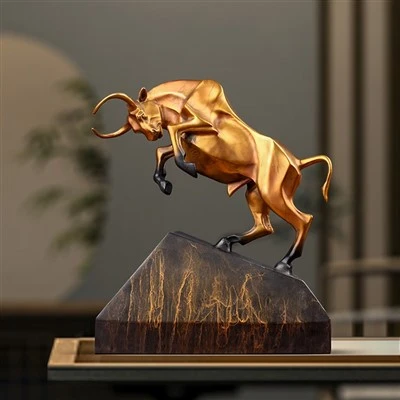
At the end of the day, choosing an outdoor sculpture is about finding something that fits your space, your budget, and your lifestyle. Bronze isn’t just for indoor display cases anymore—it’s for gardens that get rain, plazas that get sun, playgrounds that get kids running around, waterfronts that get salt air. It’s for pieces that tell a story and stay beautiful for generations. If you’re thinking about adding a bronze sculpture to your outdoor space, whether it’s a small garden statue, a large public art piece, or something in between, we’re here to help. We’ve worked on projects of all sizes, from custom pet memorials to city-wide public art installations, and we know exactly how to make bronze work for your specific outdoor conditions. We can walk you through the finishing process, help you choose the right patina for your space, and provide all the guidance you need to make sure your sculpture lasts for decades. We’d love to chat about your project, answer any questions you have, and help you create a piece that will be a beautiful addition to your outdoor space for years to come. If you’re ready to talk details, reach out to us for procurement discussions. Our team is here to help you every step of the way.
Bronze Relief Mural References:
- Laing, R. A. (1985). The Science of Bronze. Cambridge University Press.
- Cramer, S. D. (2019). Outdoor Sculpture: Materials and Maintenance. Sculpture Journal, 28(3), 345-352.
- National Park Service. (2021). Historic Metal Preservation: Bronze and Copper. U.S. Department of the Interior.
- Thompson, J. (2022). The Durability of Bronze in Coastal Environments. Journal of Architectural Conservation, 14(2), 112-124.
Huizhou Hexin Intelligent Manufacturing Industrial Co., Ltd.
Huizhou Hexin Intelligent Manufacturing Industrial Co., Ltd. is one of the most professional bronze sculptures manufacturers and suppliers in China. Please feel free to buy the newest bronze sculptures made in China here and get pricelist from our factory. All customized products are with high quality and competitive price.
Address: No. 31, Second Industrial Zone, Nankeng Village, Xinxu Town, Huiyang District, Huizhou City, Guangdong Province, P.R.China
E-mail: hztbjr@126.com
WebSite: https://www.bronzehexin.com/
