When I first started as a warehouse equipment supplier back in 2008, I’ll admit I made a mistake with one of my early clients. A mid-sized e-commerce warehouse out in Indianapolis had just bought 12 new reach trucks from us, and their operations manager asked if they could “wait a few months” before getting formal inspections done. They were in the middle of a holiday rush, and every minute their fleet was down cost them thousands in delayed shipments. I said yes—against my better judgment. Three months later, one of those reach trucks’ brake assemblies failed while a picker was 20 feet up retrieving a pallet of holiday decor. No one got hurt, but the warehouse had to halt operations for 8 hours to inspect all their equipment, replace faulty parts, and retrain staff on basic pre-use checks. That day taught me a lesson I still carry with every client conversation: inspection schedules aren’t one-size-fits-all, and cutting corners here isn’t just bad for compliance—it’s bad for the people moving, storing, and shipping the goods that keep the global supply chain going. Today, when someone reaches out asking “how often should warehouse equipment be inspected?” I don’t give a generic number. I walk them through what actually determines a schedule, the common mistakes that lead to those costly (and sometimes dangerous) mishaps, and the specific steps we as suppliers take to help them build a system that works for their team. WarehouseEquipments
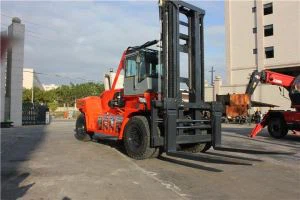
First, let’s get the basics right: there are two types of inspections every warehouse needs to separate. The daily pre-use checks that operators do before they start a shift are non-negotiable, but the formal, documented inspections—those done by trained technicians, either in-house or third-party—are what prevent major failures like that 2009 incident in Indianapolis. For years, OSHA (the U.S. Occupational Safety and Health Administration) has required that powered industrial trucks (the category that includes forklifts, reach trucks, pallet jacks, and order pickers) be inspected at least once a year. But that’s a minimum, not a rule that works for every warehouse. A 2023 study from the Material Handling Industry (MHI) group found that warehouses running 24/7 shifts, handling heavy loads over 10,000 pounds, or operating in harsh environments like cold storage or outdoor yards should inspect their equipment every 6 months—sometimes even every 3 months for high-use items.
Let’s break down why that timeline shifts. Take a cold storage facility, for example, where temperatures hover around -20°F. Batteries on electric forklifts drain faster in cold weather, hydraulic fluid thickens and can’t perform as well, and metal parts contract, leading to more wear on bolts, chains, and forks. A standard annual inspection might catch a loose bolt, but after 12 months of constant contraction and expansion, that bolt could snap mid-lift. Outdoor yards add another layer: dust, gravel, and moisture get into the wheels and transmission, causing abrasive wear that speeds up damage. A pallet jack used 8 hours a day in a climate-controlled, indoor warehouse will last longer with less maintenance than the same pallet jack used 16 hours a day moving construction materials across a muddy loading dock. That’s why when I visit a client for the first time, the first thing I ask isn’t “how many trucks do you have?” It’s “how many shifts do you run? What’s the average weight of the loads you move? Do you operate in extreme temperatures or outdoor spaces? And what’s your incident history?” Those answers are far more important than any generic checklist from a manual.
Another common mistake I see is mixing up operator checks and formal technician inspections. I had a client in Chicago last year who swore their weekly operator checks were enough—until a pallet jack’s fork bent while moving a load of refrigeration units. The operator had noticed a slight wobble on Tuesday, but they thought it was just part of the job and didn’t report it. When we sent our technician to inspect their pallet jacks after the incident, they found 3 more forks with hidden cracks that only show up when a trained eye uses the right tools (like magnetic particle testing, which detects surface and sub-surface flaws invisible to the naked eye). OSHA actually requires that formal inspections be done by someone “qualified” — that means they’ve been trained to recognize defects, know how to properly use inspection tools, and understand the specific equipment they’re checking. Operator checks are important, but they’re for catching obvious, immediate issues: low battery, loose steering, broken brake lights. They aren’t designed to catch the tiny, developing flaws that lead to major breakdowns.
So let’s get specific about real-world schedules, based on the clients I’ve worked with over the past 15 years. For light-use equipment: a small retail warehouse that runs one 8-hour shift a day, moves loads under 5,000 pounds, and works entirely indoors on smooth concrete, can get away with formal inspections every 12 months. That’s our smallest client base, usually with 5 or less pieces of equipment, and they’re often new to running their own warehouse. For medium-use equipment: a distribution center running two 10-hour shifts a day, moving loads between 5,000 and 10,000 pounds, and maybe occasionally using equipment in a loading dock with rough pavement, should inspect every 6 months. This is our most common client type—70% of the warehouses we work with fall into this category. For heavy-use or high-risk equipment: 24/7 facilities, construction sites with rough terrain, cold storage, or warehouses handling loads over 10,000 pounds, need every 3 months. We work with a client in Detroit that runs three shifts a day moving car parts, and their reach trucks are inspected every 90 days—we even help them schedule inspections during their slowest shift (3 a.m. to 7 a.m.) so operations don’t get disrupted.
But here’s the thing: even the best schedule doesn’t work if you don’t adjust it over time. Last year, I worked with a e-commerce warehouse that saw a 40% spike in order volume during back-to-school season, so they started running their fleet 24/7 for 6 weeks straight. Their usual 6-month inspection timeline got pushed, and two forklifts had minor brake issues that our technician caught during an urgent service call. We adjusted their schedule to do a mid-cycle check during that peak period, and after that, we added a “seasonal adjustment” to all their contracts—so their inspection timeline shifts based on their busiest times. That’s the part most suppliers don’t talk about: inspection schedules are dynamic, not set in stone. If your warehouse takes on a new line of work, adds a third shift, or moves to a colder outdoor yard, your inspection needs to change too.
Now, you might be thinking: “this all sounds good, but what does this cost?” I used to get pushback from clients who said annual inspections were enough to save money. But let’s do the math: a single forklift breakdown can cost a warehouse $1,000 an hour in lost productivity, plus repairs, plus possible OSHA fines if the fault is found to be due to poor maintenance. A 6-month inspection, which costs around $150 per piece of equipment for a standard forklift, pales in comparison to that. And as a supplier, I can tell you that equipment that’s inspected regularly lasts 30% longer on average, according to MHI data. We have a client in Cleveland that’s still using their original fleet of pallet jacks we sold them in 2012—they get a full inspection every 6 months, and do daily operator checks. When I checked on them last quarter, they said they haven’t replaced a pallet jack in 8 years because of that consistent maintenance.
I also want to address a myth I hear all the time: “new equipment doesn’t need frequent inspections.” That’s simply not true. New equipment still has factory defects that can show up within the first year, especially if it’s being used heavily. A client in Cincinnati bought 8 new order pickers from a different supplier in 2021, and didn’t inspect them for 12 months. One had a faulty electrical connection that started a small fire in the battery compartment—thankfully, no one was hurt, but the warehouse had to evacuate, and they lost 2 hours of operations. Our technicians inspected that same model a year later and found that 2 out of the 8 had similar, hidden electrical flaws that only showed up after consistent use. So even brand new equipment needs a formal inspection within the first 6 months of use, then follows your regular schedule.
Another point to consider: compliance. OSHA doesn’t just require inspections—they require that you keep records of every formal inspection. Those records need to be available for OSHA to inspect at any time, and they need to document every defect found, every repair made, and the date of the inspection. If an OSHA inspector shows up at your warehouse and you can’t produce those records, you could face fines starting at $15,625 per serious violation, and up to $156,255 for repeated violations. I’ve had clients come to me after getting a notice from OSHA because they skipped inspections, and it’s always more stressful and more expensive than keeping up with the schedule in the first place. As a supplier, we help our clients keep those records organized, either through our online portal or by sending physical copies, so they never have to worry about being unprepared.
So how do you build the right inspection schedule for your warehouse? Start by assessing your specific environment: shift count, load weight, terrain, temperature. Then, separate daily operator checks from formal technician inspections—don’t rely on one to do the job of the other. Adjust your schedule for peak seasons or changes in operations, and keep detailed records for compliance. And if you’re not sure where to start, talk to a supplier that has actual experience working with different types of warehouses, not just a generic manual. When I meet with a new client, I don’t just hand them a quote for inspections—I take a walk through their warehouse, talk to their operators, look at their equipment, and tailor a schedule that works for their team, not a one-size-fits-all number.
That 2009 Indianapolis incident I mentioned earlier? The warehouse that waited too long for inspections ended up switching to a schedule with bi-annual inspections, and we’ve worked with them every year since to adjust that schedule when they add new equipment or shift their operations. Last year, their operations manager told me that since they started consistent inspections, they’ve had zero major equipment failures, and their maintenance costs are down 28%. That’s the real win here: it’s not just about following rules, it’s about keeping your team safe, keeping your operations running smoothly, and saving money in the long run.

At the end of the day, warehouse equipment is the backbone of every supply chain. A forklift that moves pallets, a pallet jack that restocks shelves, a reach truck that retrieves high goods—each piece is only as good as the care it gets. Skipping inspections isn’t cutting costs, it’s taking a risk that doesn’t have to be there. If you’re feeling overwhelmed by figuring out the right inspection schedule, or if you’ve had incidents in the past that made you question your current process, reach out. We work with warehouses of all sizes, from small retail spaces to large distribution centers, to build customized inspection plans that keep your team safe and your operations on track.
References
Port Machinery Occupational Safety and Health Administration. (2022). Powered Industrial Truck Standards, 29 CFR 1910.178. Material Handling Industry (MHI). (2023). Annual Warehouse Maintenance and Inspection Benchmark Report. National Safety Council. (2022). Equipment Maintenance and Worker Safety in Warehouse Operations.
Fujian SOCMA Machinery Manufacture Co., Ltd.
Fujian SOCMA Machinery Manufacture Co., Ltd. is one of the most professional warehouseequipments manufacturers and suppliers in China. We warmly welcome you to buy customized warehouseequipments made in China here from our factory. If you have any enquiry about cooperation, please feel free to email us.
Address: Taiwanese Investment Area, Quanzhou, Fujian, China
E-mail: marketing@socmamarketing.com
WebSite: https://www.socma-forklift.com/
