In the realm of pumping systems, the unsung hero often overlooked is the check valve. As a long – standing check valve supplier, I’ve witnessed firsthand the pivotal role that these seemingly simple components play in ensuring the efficiency, safety, and longevity of pump systems. In this blog, I will delve into the various aspects of the function of check valves in pump systems, shedding light on why they are indispensable. Check Valve
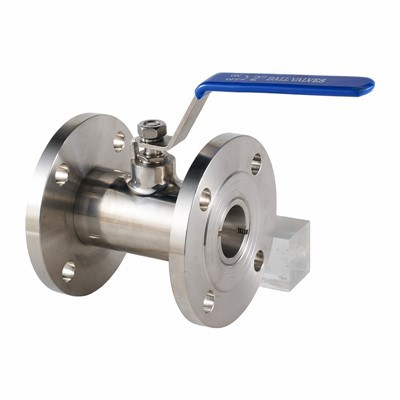
Understanding Check Valves
Before we discuss their role in pump systems, it’s essential to understand what check valves are. Simply put, a check valve is a mechanical device that allows fluid (liquid or gas) to flow in one direction only. It operates automatically, using the pressure of the fluid to open and close. When the pressure of the fluid upstream is greater than the pressure downstream, the valve opens, permitting the fluid to pass through. Conversely, when the downstream pressure becomes higher or the flow reverses, the valve closes, preventing backflow.
There are several types of check valves, including swing check valves, lift check valves, ball check valves, and diaphragm check valves. Each type has its own unique design and operational characteristics, making them suitable for different applications within pump systems.
Preventing Backflow
One of the most crucial roles of a check valve in a pump system is preventing backflow. Backflow can occur when the pump stops operating or when there is a sudden pressure drop in the system. Without a check valve, the fluid that has been pumped can flow backward, which can cause a variety of problems.
In a water supply system, for example, if a pump stops and there is no check valve, the water that has been pumped to a higher elevation can flow back down, potentially damaging the pump and other components in the system. This backflow can also cause the pump to run in reverse, which may lead to mechanical failure and costly repairs. By installing a check valve, the flow of water is restricted to one direction, ensuring that the system remains stable and the pump is protected.
In industrial applications, such as chemical processing plants, preventing backflow is even more critical. Backflow of chemicals can contaminate the entire system, leading to product quality issues, safety hazards, and environmental problems. A check valve acts as a safeguard, preventing the unwanted mixing of chemicals and maintaining the integrity of the process.
Maintaining Prime in Pumps
Another important function of check valves in pump systems is to maintain the prime of the pump. Primes are essential for the proper operation of many types of pumps, especially centrifugal pumps. A centrifugally – pumped system relies on having a full column of fluid in the suction line to create the suction force necessary to draw fluid into the pump.
When a pump is shut down, the fluid in the suction line can drain out if there is no check valve in place. This loss of prime can make it difficult or impossible for the pump to start up again. A check valve installed in the suction line of the pump can prevent the fluid from draining out, ensuring that the pump remains primed and ready for operation. This not only saves time and effort in restarting the pump but also helps to extend the lifespan of the pump by reducing the stress caused by repeated priming attempts.
Reducing Water Hammer
Water hammer is a phenomenon that occurs when there is a sudden change in the flow rate of a fluid in a piping system, typically caused by the rapid opening or closing of a valve or the sudden stoppage of a pump. This sudden change in flow can create a pressure wave that travels through the piping system, causing loud banging noises, vibrations, and potential damage to the pipes, fittings, and valves.
Check valves can play an important role in reducing water hammer in pump systems. By closing gradually and smoothly, some check valves can help to dampen the pressure wave created by the sudden change in flow. For example, a swing check valve with a weighted disc or a spring – assisted design can close more slowly than a traditional swing check valve, reducing the likelihood of water hammer. Additionally, some modern check valves are specifically designed to mitigate water hammer, using advanced materials and engineering techniques to absorb and dissipate the energy of the pressure wave.
Protecting Against Overpressure
In a pump system, overpressure can occur due to various factors, such as a blockage in the piping system, a malfunctioning pressure relief valve, or an incorrect pump operation. Overpressure can cause serious damage to the pump, piping, and other components in the system, leading to leaks, bursts, and even catastrophic failures.
Check valves can act as a secondary safety measure to protect against overpressure. In some cases, a check valve can be designed to open at a certain pressure, allowing the excess fluid to bypass the system and relieve the pressure. This can help to prevent damage to the pump and other components in the system and ensure the safety of the entire operation.
Ensuring System Efficiency
The proper functioning of check valves is essential for the overall efficiency of a pump system. By preventing backflow, maintaining prime, reducing water hammer, and protecting against overpressure, check valves help to minimize energy losses, reduce wear and tear on the pump and other components, and improve the reliability of the system.
For instance, when a check valve prevents backflow, the pump doesn’t have to work harder to overcome the reverse flow, resulting in energy savings. Similarly, by maintaining the prime of the pump, the pump can operate more efficiently, as it doesn’t have to waste energy trying to re – prime itself.
Selecting the Right Check Valve for Your Pump System
As a check valve supplier, I understand that selecting the right check valve for a pump system is crucial. There are several factors to consider when choosing a check valve, including the type of fluid being pumped, the flow rate, the pressure range, the temperature, and the specific requirements of the application.
For example, if you are pumping a viscous fluid, a ball check valve may be more suitable than a swing check valve, as the ball can move more easily through the viscous fluid. On the other hand, if you need to prevent water hammer, a spring – assisted check valve may be a better choice.
It’s also important to ensure that the check valve is properly sized for the pump system. An undersized check valve can cause excessive pressure drops and reduce the efficiency of the system, while an oversized check valve may not close properly, leading to backflow.
Conclusion
In conclusion, check valves play a vital role in pump systems. From preventing backflow and maintaining prime to reducing water hammer, protecting against overpressure, and ensuring system efficiency, these simple yet essential components are the key to the smooth and reliable operation of any pump system.
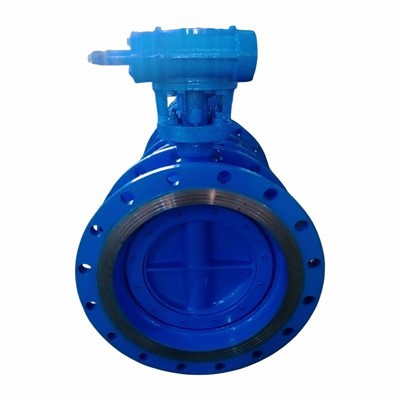
As a trusted check valve supplier, I am committed to providing high – quality check valves that meet the diverse needs of our customers. Whether you are in the water supply industry, the chemical processing sector, or any other field that relies on pump systems, I have the expertise and the products to help you find the right check valve for your application.
Check Valve If you are interested in learning more about our check valves or would like to discuss your specific requirements, I encourage you to reach out. Our team of experts is ready to assist you in selecting the most suitable check valve for your pump system and ensuring a successful procurement process. Let’s work together to optimize the performance of your pump system.
References
- Crane, D. S. (1988). Flow of Fluids Through Valves, Fittings, and Pipe. Technical Paper No. 410M. Crane Co.
- Karassik, I. J., Messina, J. P., Cooper, P. T., & Heald, C. C. (2008). Pump Handbook. McGraw – Hill.
- Hunt, P. B. (2011). Practical Hydraulic System Design. Elsevier.
Xiongxiang Valve Group Co., Ltd.
As one of the most professional check valve manufacturers and suppliers in China, we’re featured by quality products and good price. Please rest assured to wholesale cheap check valve for sale here from our factory. Contact us for more details.
Address: Building 1, No.306, 12th Binhai Road, Jinkai District, Wenzhou City, Zhejiang Province, China
E-mail: info@xiongxiangvalve.com.cn
WebSite: https://www.steelvalvegroup.com/
