Carbon steel components are widely used in various industries due to their excellent mechanical properties and cost – effectiveness. However, fatigue failure is a common issue that can limit their service life. As a carbon steel supplier, I understand the importance of improving the fatigue life of these components to meet the demands of our customers. In this blog, I will share some effective ways to enhance the fatigue life of carbon steel components. Carbon Steel

Understanding Fatigue in Carbon Steel Components
Before delving into the improvement methods, it’s crucial to understand what fatigue is in the context of carbon steel components. Fatigue occurs when a material is subjected to cyclic loading, such as repeated stress or strain. Over time, these cycles can cause microscopic cracks to form and propagate in the steel, eventually leading to failure. The factors that influence fatigue life include the magnitude of the cyclic stress, the number of stress cycles, the material’s mechanical properties, and the presence of stress raisers.
Material Selection and Heat Treatment
Material Selection
- Grade and Quality: As a carbon steel supplier, I offer a wide range of carbon steel grades. Selecting the right grade is the first step in improving fatigue life. For example, high – strength low – alloy (HSLA) steels often have better fatigue resistance compared to plain carbon steels. HSLA steels contain small amounts of alloying elements such as manganese, vanadium, and niobium, which improve their strength and toughness. These alloys can withstand higher cyclic stresses without developing cracks as easily.
- Purity: The purity of the carbon steel also plays a significant role. Impurities such as sulfur and phosphorus can act as stress raisers and reduce fatigue life. We ensure that the carbon steel we supply has a low content of these harmful impurities, which helps to enhance the overall quality and fatigue resistance of the components.
Heat Treatment
- Normalizing: Normalizing is a common heat treatment process for carbon steel. It involves heating the steel to a specific temperature above the critical range, holding it for a period, and then air – cooling. This process refines the grain structure of the steel, which improves its strength, hardness, and fatigue resistance. Fine – grained steels have more grain boundaries, which can impede the propagation of cracks, thus increasing the fatigue life.
- Quenching and Tempering: For applications where high strength and toughness are required, quenching and tempering can be employed. Quenching involves rapidly cooling the steel from a high temperature to form a hard martensitic structure. However, martensite is often brittle, so tempering is then carried out to reduce the brittleness and improve the toughness. This combination of processes can significantly enhance the fatigue resistance of carbon steel components.
Design Optimization
Geometric Design
- Avoiding Stress Concentrations: Sharp corners, notches, and sudden changes in cross – section are common stress raisers in carbon steel components. When designing a component, it is essential to use fillets, radii, and smooth transitions. For example, if a shaft has a keyway, the edges of the keyway should be rounded to reduce stress concentrations. This helps to distribute the stress more evenly across the component, reducing the likelihood of crack initiation.
- Shape Optimization: The overall shape of the component can also affect its fatigue life. Components should be designed to minimize the amplitude of cyclic stresses. For instance, in a beam subjected to bending, an I – beam cross – section is more efficient than a solid rectangular cross – section because it distributes the stress more effectively, reducing the maximum stress and improving fatigue resistance.
Load Distribution
- Proper Load Path: Designers should ensure that the load is distributed evenly throughout the component. For example, in a machine frame, the load should be transferred smoothly from one part to another without creating localized high – stress areas. This can be achieved by using appropriate support structures and connection methods.
- Dynamic Load Consideration: In applications where the component is subjected to dynamic loads, such as in automotive or aerospace industries, the design should account for the frequency and magnitude of these loads. This may involve using vibration – damping materials or designing the component to have a natural frequency that avoids resonance with the applied loads.
Surface Treatment
Shot Peening
Shot peening is a surface treatment process that involves bombarding the surface of the carbon steel component with small spherical particles. This process creates compressive stresses on the surface of the material. Compressive stresses oppose the tensile stresses caused by cyclic loading, making it more difficult for cracks to initiate and propagate. Shot peening can significantly improve the fatigue life of carbon steel components, especially in applications where the surface is highly stressed.
Nitriding
Nitriding is a thermochemical treatment that introduces nitrogen into the surface of the carbon steel. This process forms a hard and wear – resistant nitride layer on the surface of the material. The hardened surface layer can improve the fatigue resistance of the component by reducing the surface damage caused by cyclic loading. Additionally, the presence of compressive stresses in the nitrided layer can also help to prevent crack initiation.
Coating
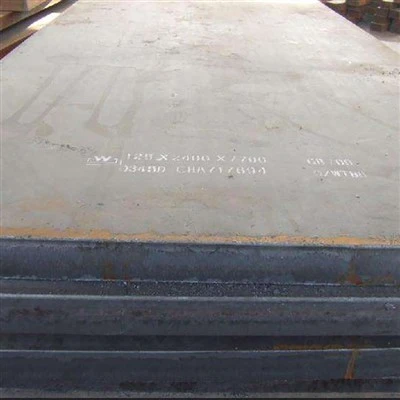
Applying a coating to the surface of the carbon steel component can protect it from corrosion and wear, which can both contribute to fatigue failure. For example, a polymer coating can provide a barrier against moisture and chemicals, preventing corrosion. A ceramic coating can increase the hardness and wear resistance of the surface, reducing the surface damage caused by cyclic contact.
Manufacturing and Quality Control
Manufacturing Processes
- Machining: Proper machining techniques are essential to ensure the surface quality of carbon steel components. Rough machining can leave surface defects such as tool marks and burrs, which can act as stress raisers. Therefore, finishing operations should be carried out carefully to achieve a smooth surface finish. For example, grinding can be used to produce a smooth and precise surface, reducing the risk of fatigue failure.
- Welding: Welding is a common joining method for carbon steel components. However, improper welding can lead to the formation of defects such as porosity, cracks, and residual stresses, which can significantly reduce the fatigue life of the component. To ensure high – quality welds, proper welding procedures, welding materials, and pre – and post – weld heat treatments should be employed.
Quality Control
- Non – destructive Testing: Non – destructive testing (NDT) methods such as ultrasonic testing, magnetic particle testing, and dye penetrant testing can be used to detect surface and subsurface defects in carbon steel components. Early detection of these defects allows for timely repair or replacement, preventing fatigue failure.
- Mechanical Testing: Mechanical testing, including tensile testing, hardness testing, and fatigue testing, can be used to verify the mechanical properties of the carbon steel components. By ensuring that the components meet the specified quality standards, the risk of fatigue failure can be minimized.
Conclusion
Carbon Steel Pipe Improving the fatigue life of carbon steel components is a multi – faceted process that involves material selection, heat treatment, design optimization, surface treatment, and manufacturing quality control. As a carbon steel supplier, I am committed to providing high – quality carbon steel products and technical support to help our customers improve the performance and durability of their components. If you are looking for reliable carbon steel for your projects and want to discuss how to optimize the fatigue life of your components, feel free to contact us for further discussions and procurement opportunities.
References
- Suresh, S. "Fatigue of Materials". Cambridge University Press. 2nd Edition. 2004.
- Megson, T. H. G. "Aircraft Structures for Engineering Students". Elsevier. 6th Edition. 2020.
-ASM Handbook Volume 4 – Heat Treating. ASM International. 1991.
Shandong Henry Group Co., Ltd.
As one of the most professional carbon steel manufacturers and suppliers in China since 1995, we’re featured by quality products and good price. Please rest assured to buy premium carbon steel for sale here from our factory. Contact us for more details.
Address: No. 2688 Meili Road, Meilihu Office, Huaiyin District, Jinan City
E-mail: sales01@henry-china.com
WebSite: https://www.henry-steelpipe.com/
