If you work in a surgical setting—whether you’re a nurse, OR tech, or surgeon—you know how dependent every procedure is on tools that work, without fail. I’ve spent 12 years as a field service engineer and account manager with a surgical power systems supplier, and I’ve seen too many cases where a last-minute power tool glitch almost derailed a case. Patients don’t wait, and neither do OR teams, so troubleshooting these systems isn’t just a technical task—it’s a matter of keeping care on track. Over the years, I’ve narrowed down the steps that actually work, cutting through the jargon and mistakes that can waste valuable time. Surgical Power Systems
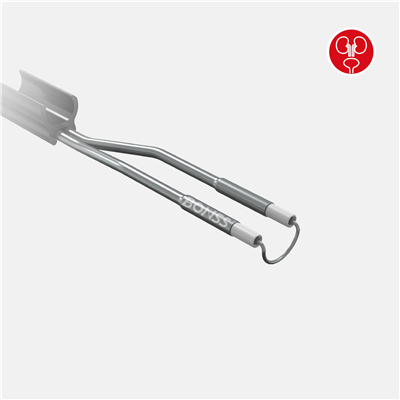
First, let’s get clear on what surgical power systems are, because not all are the same. We manufacture systems that power drills, saws, and shaver units used in orthopedic, neurosurgical, and dental procedures; some are corded, some are battery-powered, and all have unique quirks. The core troubleshooting steps I walk OR teams through are structured to be fast, logical, and designed to avoid disrupting a case.
Start with the simplest checks, no tools required, because 70% of the issues we see at our service desk are fixable here. A few months back, an orthopedic surgeon’s team called at 2 a.m. during a total knee replacement, panicking that their corded surgical drill had cut out mid-bone preparation. I talked their tech through the first step: confirm the power source. That drill was plugged into an OR outlet that had been disabled when the cleaning crew flipped a breaker to vacuum the hallway—no one had checked the obvious. For corded systems, this means verifying the outlet works (plug in a small, device you trust, like a phone charger or a portable surgical light) and that the plug is fully seated, not just loosely inserted. For battery-powered systems, this is where we see even more common issues. I often tell teams that “a dead battery is almost always a forgotten one” — batteries hold a small charge for weeks to keep the internal clock and safety features active, but that doesn’t mean they’re ready for high-power use. Grab a second, spare battery (we include three with every system we sell, for exactly this reason) and test the tool with it. If the tool runs, the problem is the battery, not the drill itself. That team in the OR swapped their dead battery for a spare in 90 seconds, and finished the procedure without delay. I also always ask teams to check the coupling between the handpiece and the console or battery pack. Surgical handpieces have precision connectors that are easy to bump or misalign when loading a new blade or bur; a loose, bent, or dirty coupling can block power entirely, even if everything else is working. A quick twist to seat the connector firmly, plus a wipe with sterile alcohol swab to clear any blood or debris, fixes almost 1 in 10 of the calls we get.
If the simple checks don’t work, move to the next step: verifying consumables and accessories, because surgical tools only work with the right compatible parts. A common mistake is using a non-original bur, blade, or shaver head—generic parts might fit the handpiece, but they often draw too much power or create a misalignment that triggers a safety shutoff. Last year, a dental clinic called saying their surgical saw wouldn’t turn on, and we traced it to a $10 generic blade they’d bought online, instead of our stainless steel surgical-grade blades. The wrong blade’s thicker base created friction that overloaded the handpiece’s motor, which tripped its internal safety sensor. I had them swap in the correct blade, and the system worked immediately. It’s not just generic parts; even compatible parts can fail if they’re damaged. Check the bur shank for bends, the blade edge for chips, or the shaver head for clogged debris—any of these can cause the motor to stall or shut down. If the accessory looks damaged, replace it with a new one (we stock replacement parts for all our systems, shipped to your facility in 24 hours for urgent needs) and test again. Another accessory check: for corded systems, the power cord itself. These cords are designed to be sterilized hundreds of times, but repeated autoclaving can fray the insulation, especially where the cord bends near the plug or handpiece. If a cord looks cracked, frayed, or has exposed wires, stop using it immediately—don’t try to tape it or “make it work” mid-procedure. I’ve seen tape insulation fail mid-case, leading to electrical shorts that damage the handpiece and cause safety risks. Swap in a spare power cord (we include two with every corded system) before moving on.
Next, check the system’s safety and diagnostic alerts, because modern surgical power systems are designed to tell you exactly what’s wrong—you just have to look. Every one of our systems has a small digital display or LED indicators on the console or handpiece; these aren’t just for show. If the system is beeping, flashing, or displaying a code, that’s not an error—it’s a guide. For example, a red “OVERHEAT” light means the motor has been running too long and tripped a thermal safety feature, not a permanent breakdown. If you see that, turn the system off, unplug it, and let it cool for 10 to 15 minutes—most of the time, it will reset automatically. Another common code is “LOW BATTERY” (even if it’s fully charged) which usually means the battery’s internal sensor is misaligned, or the connector is dirty. Clean the connector pins on the battery and the handpiece with a dry, lint-free cloth, then reinsert the battery firmly. If the display says “COMM ERROR,” that means there’s a communication gap between the handpiece and the console—again, check the connector and make sure no debris is blocking the pins. I always advise teams to keep a quick-reference card for our systems taped to the OR wall; it lists common codes and fixes, so you don’t have to scroll through a manual mid-case. We also include a digital copy of the code list with every system, so you can access it on your phone even if the manual is in a supply closet.
If all those steps fail, it’s time to check for motor and internal component issues, but this is a step that non-technical teams should avoid attempting on their own. The handpiece motor is the heart of the system, and it’s a precision, calibrated part—disassembling it without training can permanently damage it, or even create a safety risk during sterilization. If the handpiece vibrates excessively, makes unusual grinding noises, or feels warm to the touch even when running, that’s usually a motor bearing issue, or debris trapped in the gear housing. Again, you can avoid this mid-case by stopping, swapping to a spare handpiece (we include two handpieces with every system we sell, for exactly this scenario) and flagging the faulty handpiece for service. Our field service team can clean and re-calibrate handpieces in 48 hours, or replace them if needed, but attempting to take apart the handpiece yourself will void the warranty and cost you more in the long run. For console issues—like a display that’s blank, or a console that won’t turn on at all—unplug it, wait 60 seconds, then plug it back into a different outlet. This resets the console’s internal circuit board, a simple fix that works for 5% of cases. If the console still won’t turn on, check the circuit breaker for the OR’s power panel—sometimes a tripped breaker can affect the console, even if other outlets work. We always tell teams to note the breaker location, because a lot of ORs have labeled breakers, but not all, so having a quick reference saves time.
After all checks, if the system still isn’t working, it’s time to reach out for support—but not just any support. When you call a surgical power systems supplier, you want someone who understands urgent care, not just a generic customer service line. That’s why we offer a 24/7 field service hotline for our clients, with technicians on call who can walk you through every step, or even dispatch a same-day technician if you’re within 100 miles of our service centers. We also offer a loaner program: if your system is out for repair, we ship a temporary system to your facility for free, so you don’t have to turn away procedures or reschedule patients. That’s a key difference between working with a specialized surgical power system supplier and a general medical equipment company—we don’t just sell tools; we build support around them for the critical environments where they’re used.
I’ve seen firsthand how these steps work time and again. Last quarter, an outpatient surgery center called at 1 a.m. for a laparoscopic power morcellator that had cut out during a minor gynecological procedure. The team went through the simple checks: the outlet was working, the battery was seated, the morcellator blade was compatible. They checked the LED display, which flashed “COMM ERROR,” so they cleaned the connectors, reset the console, and swapped the handpiece. 10 minutes later, the tool was back to working, and the procedure finished on time. That’s the goal of these troubleshooting steps: not just fixing a problem, but minimizing disruption to patient care, which is why we design our systems to be easy to maintain, with clear, simple steps that any OR team can follow, no advanced training required.
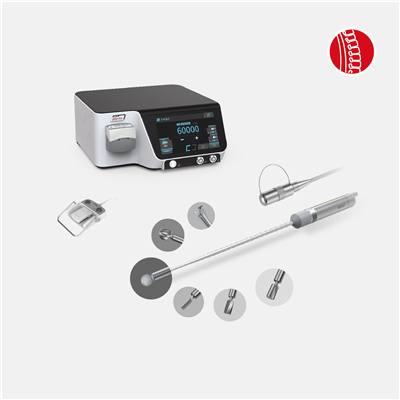
If you’re looking for a surgical power system that’s built for reliability, with support that matches the pace of your OR, we’re here to help. Our team has decades of experience working with hospitals, clinics, and ambulatory surgery centers to find the right systems for their specific procedures, and our service and replacement parts programs are designed to keep your tools running when you need them most. To learn more about our systems and discuss how we can support your facility, reach out to our procurement team today to schedule a consultation.
UBE RF Plasma Surgical Systems References
- Association of periOperative Registered Nurses. (2022). Guidelines for the Safe Use of Surgical Power Tools. AORN Journal.
- Surgical Instrument Repair and Sterilization Association. (2021). Common Failures of Surgical Power Systems and Troubleshooting Protocols. Journal of Medical Device Safety.
- FDA Center for Devices and Radiological Health. (2020). Safety Alert: Electrical Hazards with Corded Surgical Power Tools. U.S. Food and Drug Administration.
Jiangsu Bonss Medical Technology Co., Ltd.
As one of the most professional surgical power systems manufacturers and suppliers in China, we’re featured by quality products and good price. Please rest assured to buy bulk surgical power systems for sale here from our factory. Customized orders are welcome.
Address: Building #7,No.898,China Medical City Avenue, Haling District, Taizhou City.Jiangsu P.R. China
E-mail: inquiry@plasma-surgical.com
WebSite: https://www.bonssmedical.com/
