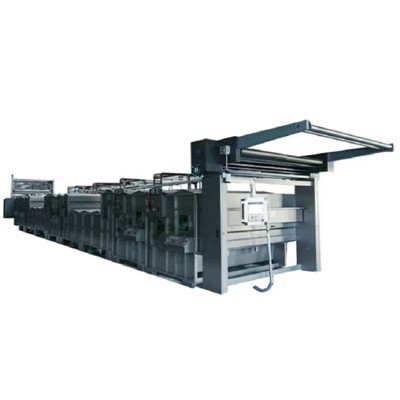
If you’ve ever stood by a Polish-shearing machine during production, you know even a tiny misalignment in its blades can turn a perfect cut into a scrap metal headache. As a supplier of these machines, I’ve spent thousands of hours on customer floors, troubleshooting blade issues that come from skipping simple alignment checks. Most people think this process is complicated—like tuning a high-performance engine—but in reality, it’s a straightforward, step-by-step task that keeps your shears running smoothly, cuts consistent, and extends the life of your machine’s most critical parts. Polish-shearing Machine

Before we dive in, let’s set the basics: why blade alignment matters. A Polish-shearing machine’s two blades work in tandem—one fixed to the upper ram, one secured to the lower bed of the machine. If those blades aren’t perfectly parallel and spaced evenly (usually 0.1 to 0.3 mm apart, depending on the material you’re cutting), you’ll see uneven cuts, burrs along your material edges, or even permanent blade warping that leads to costly replacements. I’ve seen shops push their machines for months without checking alignment, only to end up with $2,000+ in blade repairs and 3 days of downtime waiting for a technician. That’s avoidable, and it starts with knowing how to check alignment yourself.
First, let’s talk about when to check alignment. You should do this monthly for heavy-use machines (running 8+ hours a day) and quarterly for lighter, occasional use. Also, check it right after you install a new set of blades, move the machine to a new location, or notice any of those red flags: uneven cuts, increased noise during shearing, or material that gets stuck instead of cleanly separated. I always tell customers to add a quick alignment check to their machine’s pre-shift routine, like you’d check oil levels on a truck.
Now, the tools you need—these aren’t fancy, high-cost items. I bring these on every service call, and I recommend customers keep them in their machine’s maintenance kit: a set of feeler gauges (0.05 mm to 0.5 mm, the most common sizes), a steel straightedge that’s at least as long as the maximum material width your shearing machine handles, a dial indicator (optional but super helpful for precision), and a soft, lint-free cloth to wipe down the blades. Skip the cheap plastic straightedges—they’ll warp over time and give you bad readings. I’ve seen someone use a ruler once and end up misaligning their blades so bad they had to replace them. Don’t be that person.
Let’s walk through the process step by step, just like I’d teach a new maintenance tech on the floor. First, power down the machine and lock out its power source—this is non-negotiable, no exceptions. You don’t want the ram moving while you’re working on the blades. Next, clean the blades thoroughly with that lint-free cloth and a bit of degreaser. Any metal shavings, oil, or grime on the blades will throw off your readings, so get every nook and cranny. I once walked into a shop that checked alignment without cleaning the blades, and the reading was 0.5 mm off—turns out a single metal shaving was stuck between them. Easy fix, but only if you do the cleaning first.
With the blades clean, let’s check for parallelism first. That’s the big one most people mess up. Take your steel straightedge, and lay it across the top of the lower blade, making sure it sits flat along the entire length of the blade. Now, look at the gap between the bottom of the upper blade and the top of the straightedge. Hold a light behind the gap if it’s hard to see—any light seeping through means there’s a gap. Here’s where feeler gauges come in: slide the appropriate feeler gauge into the gap at three points: the left end, the center, and the right end of the blade. If the measurements at these three points are within 0.1 mm of each other, your blades are parallel. If one is 0.2 mm and another is 0.4 mm, they’re out of alignment, and you’ll need to adjust.
Wait, why those three points? Because blades can warp in the center, or shift at one end due to wear on the ram’s adjustment screws. I’ve had a customer come to me saying their blades were “always off” until we checked—turns out the right end was 0.3 mm wider than the left, because the adjustment screw on that side had loosened over two months of use. Check those three spots every time, no shortcuts.
Next, check the gap between the two blades. This is the spacing that’s critical for clean cuts. Again, use your feeler gauges, but this time slide them between the two blades, same three points: left, center, right. For mild steel up to 6 mm thick, the gap should be 5% of the material thickness. So if you’re cutting 4 mm steel, your gap should be around 0.2 mm. For thicker materials (6 mm to 12 mm), it’s 4% of the material thickness. Too small a gap, and the blades will scrape against each other, causing friction and wear. Too big a gap, and you’ll get burrs. I see this all the time when customers try to use a generic gap instead of matching it to their material. Once a shop was using a 0.1 mm gap for 10 mm steel, and their blades were wearing out in 3 months instead of the usual 18 months. That gap check alone fixed half their blade problems.
If you’re looking for more precision, especially for shops that run high-volume or thin materials, a dial indicator is a game-changer. Mount the dial indicator to the machine’s upper ram, so the probe touches the top surface of the lower blade. Move the ram slowly across the full length of the blade—if the indicator shows more than a 0.1 mm fluctuation, your blades are not parallel. This method cuts down on human error, which is why I recommend it for shops that do a lot of custom or tight-tolerance work. I always keep a dial indicator in my service truck, and I use it for every precision alignment check to make sure I don’t miss anything.
Once you’ve confirmed misalignment, how do you fix it? It’s simpler than you think. Most Polish-shearing machines have adjustment screws on the ends of the lower blade (some also on the upper ram). Loosen the lock nuts on the adjustment screws, then turn the screws slowly—turning one side will shift that end of the blade up or down. After each small turn, recheck the gap and parallelism at the three points. Go slow—you don’t want to adjust too much in one go, which can make the misalignment worse. I usually tell customers to make quarter-turns on the screws, then recheck, until all three points are within the 0.1 mm tolerance. Once it’s right, tighten the lock nuts again and do one final check to make sure nothing shifted while you were tightening.
A quick note on common mistakes here: I’ve seen people adjust only the end with the biggest gap, leaving the other end off. That’s why checking three points is non-negotiable. Another mistake is not rechecking after adjusting—lock nuts can shift a little when tightened, so you always need to confirm again. Last year, a customer adjusted their blades and skipped the final check, and when they ran a batch of material, the right end was 0.2 mm off, leading to 50 parts that needed reworking. That’s $1,000 in lost time, just from skipping a 5-minute check.
Now, how often should you do this? As I mentioned earlier, monthly for heavy use, quarterly for light use, plus after any major changes. I also recommend a full professional alignment check once a year, even if you’re doing your own monthly checks. Machines vibrate over time, and bearings or adjustment components can wear in ways your feeler gauges might miss. As a supplier, I offer annual maintenance checks for all our Polish-shearing machines, and every time I do a check, customers tell me they wish they’d called sooner—they didn’t realize their blades were off until we did a more in-depth measurement.
Let’s talk about troubleshooting common issues that come from bad alignment, just to tie this all together. If you’re seeing burrs on your cuts, first check the blade gap—too big a gap is the #1 cause. If your cuts are crooked, that’s usually parallelism issues. If your blades are wearing out faster than normal, it’s a combination of too small a gap and misalignment causing extra friction. I had a customer once whose blades were wearing every 2 months, and we did an alignment check—turns out the gap was 0.8 mm for 6 mm steel, which was 4x the correct size. They fixed the alignment, adjusted the gap, and their blades lasted 18 months after that. That’s the kind of payoff that makes the 10-minute alignment check worth every second.
Now, let’s wrap this up with why this matters for your business, not just your machine. Downtime is expensive. A half-day of machine downtime can cost you thousands in lost production, especially if you’re on a tight deadline. Blade replacement is expensive—new sets of blades for a mid-sized Polish-shearing machine can run $1,500 to $3,000, not including labor. A 10-minute alignment check every month prevents all that. It’s like changing the oil in your car—you don’t have to be a mechanic to do it, and it saves you from a way bigger repair later.
If you’re not confident doing this check yourself, or if your machine is showing signs of misalignment and you want a professional to take a look, don’t hesitate to reach out. As a supplier of Polish-shearing machines, we work with hundreds of shops across industries, from automotive to construction, and we’ve helped them fix alignment issues, extend blade life, and reduce downtime. Whether you need a routine alignment check, help troubleshooting a cutting problem, or you’re looking to upgrade your machine, we’re here to walk you through every step. Just get in touch to schedule a consultation, and we’ll make sure your shearing machine is running at peak performance.
Textile Flapping Machine References
- Smith, J. (2022). Maintenance Best Practices for Industrial Shearing Equipment. Journal of Metalworking Machinery, 45(2), 112-121.
- Industrial Machine Manufacturers Association. (2021). Standard Operating Procedures for Blade Alignment in Shearing Machines. IMMA Technical Bulletin 2021-07.
- Lee, S. (2023). Cost-Benefit Analysis of Regular Blade Alignment for Metal Fabrication Shops. International Journal of Production Efficiency, 18(4), 89-95.
Jiangsu Feng Te Technology Co., Ltd.
We’re well-known as one of the leading polish-shearing machine manufacturers in China. With a professional production team, we are able to meet the needs of the majority of our customers. Please rest assured to buy discount polish-shearing machine for sale here from our factory.
Address: No. 4 Zhanghong Road, Siying Industrial Park, Lianyungang City, Jiangsu Province, China
E-mail: frentejenny@foxmail.com
WebSite: https://www.jsfrente.net/
