What is MDF laminate board, anyway? If you’ve ever shopped for furniture, cabinetry, or even wall paneling, you’ve probably seen the term thrown around, and maybe you’ve written it off as just another industry jargon—like so many of the weird, specific names building materials come with. But as someone who’s been an MDF board supplier for over a decade, I can tell you it’s way more than just a buzzword. It’s a workhorse material that’s everywhere in your daily life, even if you don’t realize it. Let’s break this down without the boring textbook stuff. MDF Board
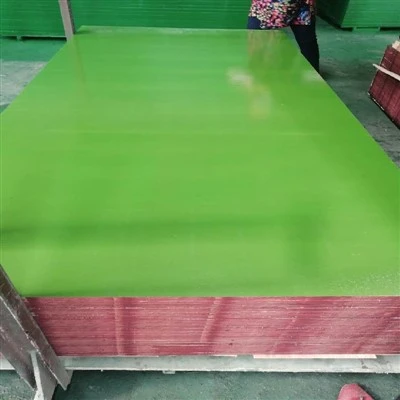
First, let’s start with the basics: MDF stands for Medium Density Fiberboard. That’s not a fancy marketing term—It’s literally in the name. Unlike plywood, which is made of thin wood layers glued together, or particleboard, which uses big chunks of wood chips, MDF is made of tiny wood fibers. We take softwood and hardwood scraps—think sawmill leftovers, prunings from tree farms, even offcuts from other wood products—and cook them down into super fine fibers. Then we mix those fibers with a binder (usually a resin, nothing weird, just stuff that holds it all together) and a little wax to keep moisture out, and press them under high heat and pressure into those big, flat panels you see in our warehouse.
Wait, so why do people call it MDF laminate board? Let’s clear that up, because that’s where a lot of the confusion happens. MDF itself is the base material, the core. Laminate is the thin, decorative layer that gets glued to the top of that core. So when you hear “MDF laminate board,” it’s just a finished product: plain MDF with a laminate wrap (or sometimes a veneer, though laminate is way more common for mass production) stuck on top. It’s like a plain white t-shirt (the MDF core) with a cool print or graphic (the laminate layer) added to make it look nice.
I get it, a lot of folks mix this up with other wood products. Let’s compare real quick to make it stick: Particleboard is cheaper, uses larger wood particles, so it’s rougher and can’t hold screws as well. Plywood is stronger, but it’s bulky and can warp if it’s not treated right. MDF is the middle ground. It’s dense, smooth, and super consistent—no knots, no warping, no weird gaps between layers. That’s why it’s so popular for things like cabinet doors, bookshelves, desk tops, even decorative wall trim. The laminate layer on top is what makes it durable, too—it resists scratches, stains, and moisture way better than bare MDF alone.
Now, let’s talk about why I’ve stuck with MDF as a supplier for so long. For one thing, it’s versatile as hell. You can cut it into any shape you want—curves, intricate designs, straight edges—without splintering like solid wood does. That’s why when you see a fancy molded cabinet door or a rounded bookshelf, it’s almost always MDF under the laminate. It also holds paint and really well—way better than plywood or particleboard—so if a customer wants a custom painted kitchen, MDF laminate board is a no-brainer. The laminate comes in every color, pattern, and finish you can imagine: wood grain, solid black, marble, even funky retro prints for accent walls.
But let’s be real, MDF has gotten a bad rap over the years, and I get why. Some people think it’s “cheap” wood, or that the binders release harmful chemicals. I won’t sugarcoat it: low-quality MDF from no-name suppliers might use cheaper resins, and if it’s made in a dirty facility, it can have higher VOCs (volatile organic compounds). But here’s the thing: as a supplier, we follow strict industry standards. All our MDF is CARB Phase 2 and EPA TSCA Title VI compliant—meaning the formaldehyde levels are way below what’s considered safe for indoor use. I’d never sell something I wouldn’t feel good about in my own home, and that means our MDF laminate board is safe for kids’ bedrooms, kitchens, even nurseries.
Another myth: it’s not as strong as solid wood. That’s true, but for most uses, it’s more than enough. If you’re building a bookshelf that holds textbooks, or a cabinet for dishes, MDF is just as sturdy as solid wood. The key is choosing the right thickness—we carry panels from 1/4 inch for trim to 1 1/2 inch for cabinet boxes, so you can pick what works for your project. It also doesn’t expand and contract with changes in humidity like solid wood does, so your laminate finish won’t crack or peel as easily over time. That’s a big win for areas like bathrooms or basements where moisture fluctuates.
Let’s talk about what people actually use MDF laminate board for, because it’s everywhere. If you’ve bought a kitchen in the last 10 years, the cabinets are probably made of it. Most flat-pack furniture (the stuff you build at home with Allen wrenches) uses MDF because it’s light and easy to cut. Wall paneling has blown up in popularity lately—installing MDF laminate boards is way simpler than tiling or using solid wood, and you can do it yourself in a weekend. Even signage: those big, smooth storefront signs you see? They’re often MDF with a vinyl laminate or paint, since it’s easy to print on and holds up outdoors (if you get the right laminate).
Wait, but what about the downsides? No material is perfect. Bare MDF can swell if it gets wet, so it’s not great for things like outdoor decks without a heavy waterproof coating. But laminate MDF is sealed on all sides, so it’s way more moisture-resistant. And if you’re hanging something heavy, make sure you use the right screws—MDF holds screws really well if you pre-drill, but if you just drive a screw in blind, it might split. That’s a tip I give every customer, no charge.
As a supplier, I see a lot of people come to us confused about where to start. Do they need raw MDF, or MDF laminate board? If you’re building something from scratch and you want to add your own finish (paint, stain, veneer), go with raw MDF. If you want a finished product that’s ready to install right out of the package, MDF laminate board is your move. It saves so much time—you don’t have to sand, prime, or seal it yourself, and it’s way more consistent than trying to match a wood grain finish on solid wood.
I also get asked about cost a lot. Is MDF laminate board cheaper than solid wood? Generally, yes. It uses wood scraps, so it’s more efficient than cutting whole logs into planks, which keeps the price down. That’s why it’s such a popular choice for homeowners on a budget, or contractors looking to keep project costs in check. But it doesn’t feel cheap, either— the laminate layers we use are high-quality, so the finish looks just as good as solid wood for a fraction of the price.
Another thing I love about working with MDF is its sustainability. Since we use wood scraps that would otherwise go to landfills or be burned, it’s a way more eco-friendly option than solid wood for many projects. We also source our wood from FSC-certified mills, so you can feel good that the wood we use is harvested responsibly. That’s important to a lot of our customers, especially those building green homes or commercial spaces.
Let’s wrap this up, because I know some of you are here for a quick breakdown, not a 10-page essay. To sum up: MDF laminate board is a finished building material made of dense, consistent medium density fiberboard core, covered in a decorative, durable laminate layer. It’s smooth, versatile, budget-friendly, and safe when sourced from a reputable supplier like me. It’s everywhere in your daily life, from your kitchen cabinets to your wall decor, and it’s probably one of the most underrated building materials out there.
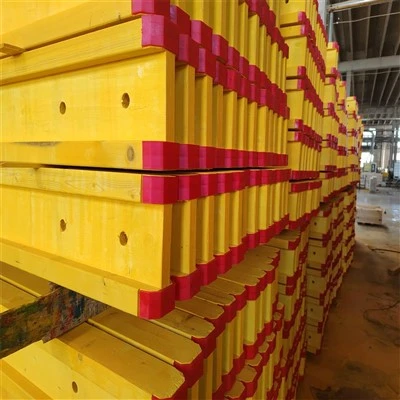
Now, if you’re a contractor, a DIYer, or a homeowner working on a project—whether it’s a kitchen remodel, a kids’ playroom, or that accent wall you’ve been dreaming of—we’ve got the MDF laminate boards in the sizes, finishes, and thicknesses you need. No hidden fees, no confusing fine print, just solid material and honest advice. We’re here to help you pick the right product for your project, answer any questions you have, and make sure you get exactly what you need, when you need it. If you’re ready to chat through your order, or just want to know more about what we offer, don’t hesitate to reach out.
MDF Board References
- American Wood Council. (2022). Medium Density Fiberboard (MDF): Properties and Applications.
- Consumer Reports. (2021). Building Materials Guide: Comparing MDF, Plywood, and Particleboard.
- Composite Panel Association. (2023). Standards for MDF and Laminate Composite Products.
- Environmental Protection Agency (EPA). (2022). TSCA Title VI Formaldehyde Emission Standards for Composite Wood Products.
Lisen Wood Industrial Shouguang Co., Ltd.
Lisen Wood Industrial Shouguang Co., Ltd. is one of the most professional mdf board manufacturers and suppliers in China, featured by quality products and low price. Please rest assured to buy discount mdf board from our factory. Welcome to contact us for quotation and free sample.
Address: Nongsheng road, shouguang,shandong province, china
E-mail: liuzhenxi@lisenboard.com
WebSite: https://www.sglswood.com/
