Hey there! As a ball valves supplier, I get asked a lot about the difference between full – port and standard – port ball valves. So, I thought I’d break it down for you in this blog. Ball Valves
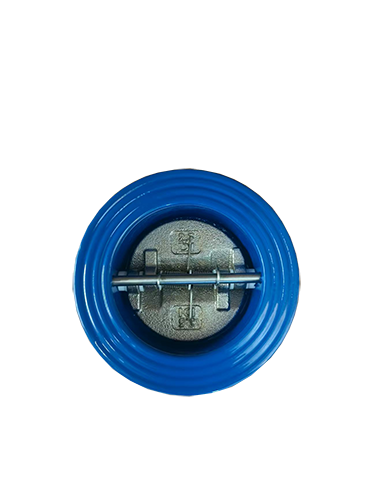
Let’s start with the basics. A ball valve is a type of valve that uses a ball to control the flow of fluid. The ball has a hole in the middle, and when the valve is open, the hole aligns with the pipe, allowing fluid to pass through. When the valve is closed, the ball rotates, blocking the flow.
Full – Port Ball Valves
Full – port ball valves, also known as full – bore ball valves, are designed with a ball and an opening that are the same size as the pipe it’s connected to. This means there’s no reduction in the flow path. When you turn the valve open, the fluid can flow through without any major restrictions.
One of the biggest advantages of full – port ball valves is their low pressure drop. Since there’s no narrowing of the flow path, the fluid can move freely, which is great for applications where maintaining a consistent flow rate is crucial. For example, in a water supply system, a full – port ball valve can ensure that water flows smoothly without any significant loss of pressure.
Another benefit is that full – port ball valves are less likely to get clogged. Because the flow path is wide, debris and particles are less likely to get stuck inside the valve. This makes them a good choice for systems that handle fluids with suspended solids, like wastewater treatment plants.
However, full – port ball valves do have some drawbacks. They’re usually larger and more expensive than standard – port ball valves. The larger size can be a problem in applications where space is limited. And the higher cost might not be justifiable for some less critical applications.
Standard – Port Ball Valves
Standard – port ball valves, on the other hand, have a smaller ball and opening compared to the pipe size. This means there’s a reduction in the flow path when the valve is open. The fluid has to pass through a narrower opening, which can cause a higher pressure drop.
The main advantage of standard – port ball valves is their cost and size. They’re generally smaller and cheaper than full – port ball valves. This makes them a popular choice for applications where cost is a major factor or where space is limited, like in residential plumbing systems.
But the reduced flow path can be a problem in some situations. The higher pressure drop means that more energy is needed to pump the fluid through the valve. And if the fluid contains a lot of debris, the smaller opening is more likely to get clogged.
Applications
Let’s take a look at some specific applications for each type of valve.
Full – Port Ball Valves
- Industrial Processes: In industries like chemical processing, oil and gas, and power generation, full – port ball valves are often used. These industries require high – flow rates and low pressure drops to ensure efficient operation. For example, in an oil refinery, a full – port ball valve can be used to control the flow of crude oil or refined products.
- Fire Protection Systems: Fire sprinkler systems need to be able to deliver a large volume of water quickly. Full – port ball valves are ideal for this application because they can provide a high – flow rate without significant pressure loss.
Standard – Port Ball Valves
- Residential Plumbing: In homes, standard – port ball valves are commonly used for shut – off valves on faucets, toilets, and other fixtures. They’re cost – effective and take up less space, making them a practical choice for residential applications.
- Small – Scale Industrial Applications: For small – scale industrial processes where the flow rate requirements are not as high, standard – port ball valves can be a good option. For example, in a small manufacturing plant that uses a water – based cooling system, a standard – port ball valve can be used to control the flow of coolant.
Maintenance
Both full – port and standard – port ball valves require regular maintenance to ensure their proper functioning.
For full – port ball valves, the large opening makes it easier to clean out any debris that might accumulate inside. However, the larger size also means that there are more parts that could potentially malfunction. Regular inspection of the seals and the ball is important to prevent leaks.
Standard – port ball valves are generally easier to maintain because of their smaller size. But the reduced flow path means that they’re more prone to clogging. It’s important to clean the valve regularly to prevent blockages.
Conclusion

In conclusion, the choice between a full – port and a standard – port ball valve depends on your specific application. If you need a high – flow rate and low pressure drop, a full – port ball valve is the way to go. But if cost and space are your main concerns, a standard – port ball valve might be a better option.
Gate Valves As a ball valves supplier, I’m here to help you make the right choice for your needs. Whether you’re working on a large – scale industrial project or a small residential plumbing job, I can provide you with the right ball valve at a competitive price. If you’re interested in purchasing ball valves or have any questions, don’t hesitate to reach out. We can have a chat about your requirements and find the perfect solution for you.
References
- "Valve Handbook" by Valve Manufacturers Association
- "Fluid Mechanics and Thermodynamics of Turbomachinery" by S. L. Dixon
Chengde Rui Mai Trading Co., Ltd
We’re professional ball valves suppliers in China, specialized in providing high quality products and service. We warmly welcome you to buy customized ball valves at low price from our factory. For more cheap products, contact us now.
Address: Room311, Unit5, 1-1#Building, Shuangqiao District, Chengde City, Hebei Province
E-mail: jack1128@ruimaitrading.com
WebSite: https://www.ruimaivalve.com/
